|

Indian Rupee: Strong GDP underpins higher INR yields – MUFG
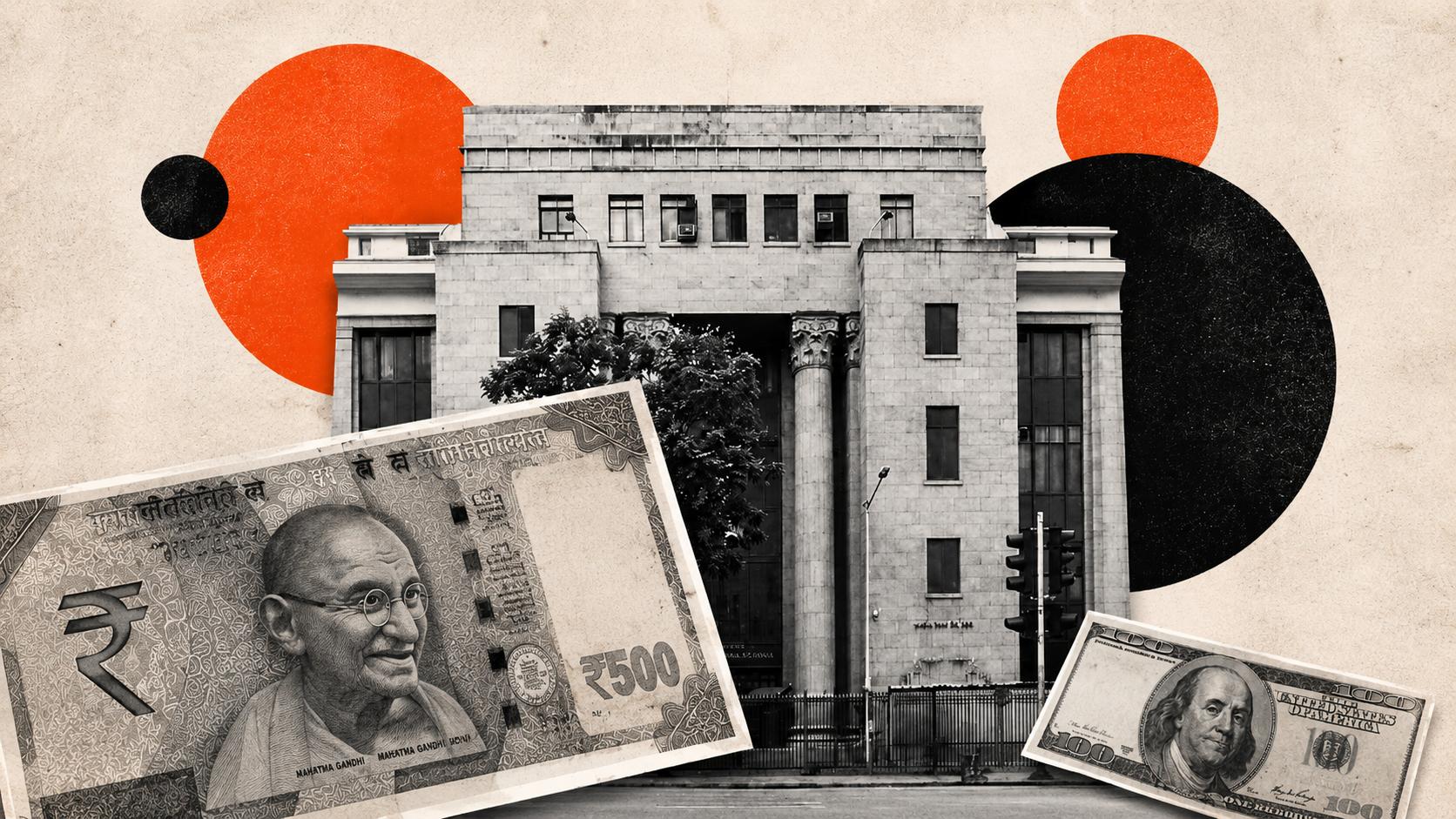
MUFG’s Michael Wan highlights India’s strong GDP data, with Q1 FY2026-27 growth at 7.8% year-on-year versus 7.1% consensus. Resilient domestic demand, robust credit growth and supportive fiscal policy underpin his view that Indian rates are likely to grind higher. The team maintains a trade idea to pay INR 5-year NDOIS as El Nino risks and FCNR(B) closure reinforce the upside bias.

Growth supports gradual upside

"Meanwhile, India’s economy grew by 7.8%yoy in Q1 FY2026-27, surprising to the upside by beating consensus expectations of 7.1%yoy consensus."

"Resilient domestic demand offset geopolitical headwinds, supported by a 12.1%yoy jump in financial and IT services alongside private consumption rising 7.1%yoy. Private capex signalled some improvement, although a weak monsoon weighed slightly on agriculture activity at 3.6%yoy."

"Meanwhile, the broader set of numbers suggest that overall resiliency in the economy, with a pickup in credit growth to 19%yoy."

"From a rates perspective, we continue to see INR rates grinding higher, and we have an existing trade idea to pay INR 5y NDOIS (see Pay INR rates post RBI minutes)."

"Overall we think that with growth remaining robust, early closure of the FCNR(B) measure, credit growth picking up, fiscal policy still expected to be supportive, coupled with a possible strong El Nino moving forward the risk-reward tilts towards rates in India moving higher rather than lower from here."

(This article was created with the help of an Artificial Intelligence tool and reviewed by an editor. Know more.)

Author

FXStreet Insights Team

The FXStreet Insights Team is a group of journalists that handpicks selected market observations published by renowned experts. The content includes notes by commercial as well as additional insights by internal and external analysts.


More from FXStreet Insights Team
Share:

Editor's Picks

AUD/USD turns south toward 0.6900 as USD firms up

AUD/USD sees fresh selling and drops toward 0.6900 in late Asian trading on Monday, as renewed US Dollar strength weighs on the pair amid lingering Middle East and Russia-Ukraine geopolitical tensions. Focus remains on Oil prices, Treasury bond yields, and RBA expectations for fresh trading impetus in the major.

USD/JPY retakes 158.00 amid hawkish BoJ bets, firmer USD

USD/JPY erases losses and retakes 158.00 in the Asian session on Monday, trading within a one-week-old range. Geopolitical uncertainty continues to underpin the US Dollar, despite fading Fed rate hike hopes, supporting the pair's rebound. However, further upside could be capped by hawkish BoJ expectations and looming intervention risks that could support the Japanese Yen.

Gold bulls remain on the sidelines as USD rallies to fresh YTD peak

Gold struggles to capitalize on a modest Asian session uptick, and currently trades just below $4,150, nearly unchanged for the day amid mixed cues. As investors look past Friday's disappointing US jobs data, the US Dollar regains strong positive traction and rallies to a fresh high since April 2025. This is seen as a key factor capping the commodity, though receding bets for an October rate hike by the Federal Reserve help limit the downside.

Dogecoin: ETF inflows and technicals fuel recovery
Dogecoin (DOGE) extends its gains, trading above $0.096 on Monday after finding support around the key support zone last week. Continued inflows into spot DOGE Exchange Traded Funds (ETFs), alongside strengthening derivatives metrics, indicate improving market sentiment. Meanwhile, the constructive technical outlook suggests the meme coin could extend its gains if the key level holds.
Economics week ahead
In the U.S., the September ISM Services index is expected to ease modestly while continuing to signal expansion, with particular attention on whether price pressures remain elevated. In Canada, the labor market likely rebounded in September, although broader trends still point to a cooling pace of employment growth.
The Euro is near a one-year low: Inflation could trigger its rebound, not its fall

EUR/USD has fallen to its lowest level since May 2025. The pair hit 1.1312 on Wednesday and trades well below the January peak of 1.2082. The decline reflects a powerful combination of US Dollar strength, geopolitical uncertainty and renewed concerns about Europe's exposure to higher energy prices.