Euro holds below 1.1400 against US Dollar as Fed interest rate decision looms
- Euro struggles below 1.1400 ahead of the Fed interest-rate decision.
- Markets largely expect the Fed to stand pat, though the risk of a rate hike persists.
- Oil prices rebound as fighting resumes in the Middle East, keeping inflation concerns elevated.

EUR/USD struggles below 1.1400 on Wednesday as traders brace for the Federal Reserve’s (Fed) interest-rate decision at 18:00 GMT, while the war in the Middle East fuels volatility across financial markets. At the time of writing, the pair trades around 1.1393, little changed on the day.
US President Donald Trump threatened heavy military action against Tehran following an Iranian missile attack on a US base in Jordan. The renewed hostilities came after a brief pause in attacks between the United States and Iran.
Oil prices climbed sharply on Wednesday, snapping a three-day sell-off as the return of normal shipping through the Strait of Hormuz appeared increasingly distant. West Texas Intermediate (WTI) trades around $83, up more than 5% on the day
The US Dollar initially gained following Trump’s remarks but later gave up some of its advance as traders moved to the sidelines ahead of the Fed’s monetary policy announcement. The US Dollar Index (DXY), which tracks the Greenback’s value against a basket of six major currencies, trades around 101.35 after touching an intraday high of 101.49.
The Fed is widely expected to leave interest rates unchanged within the 3.50%-3.75% range. However, the risk of a rate hike remains on the table if policymakers decide that a stronger response is needed to contain energy-driven inflation. The CME FedWatch Tool shows that traders price in around a 30% chance of a 25-basis-point increase.
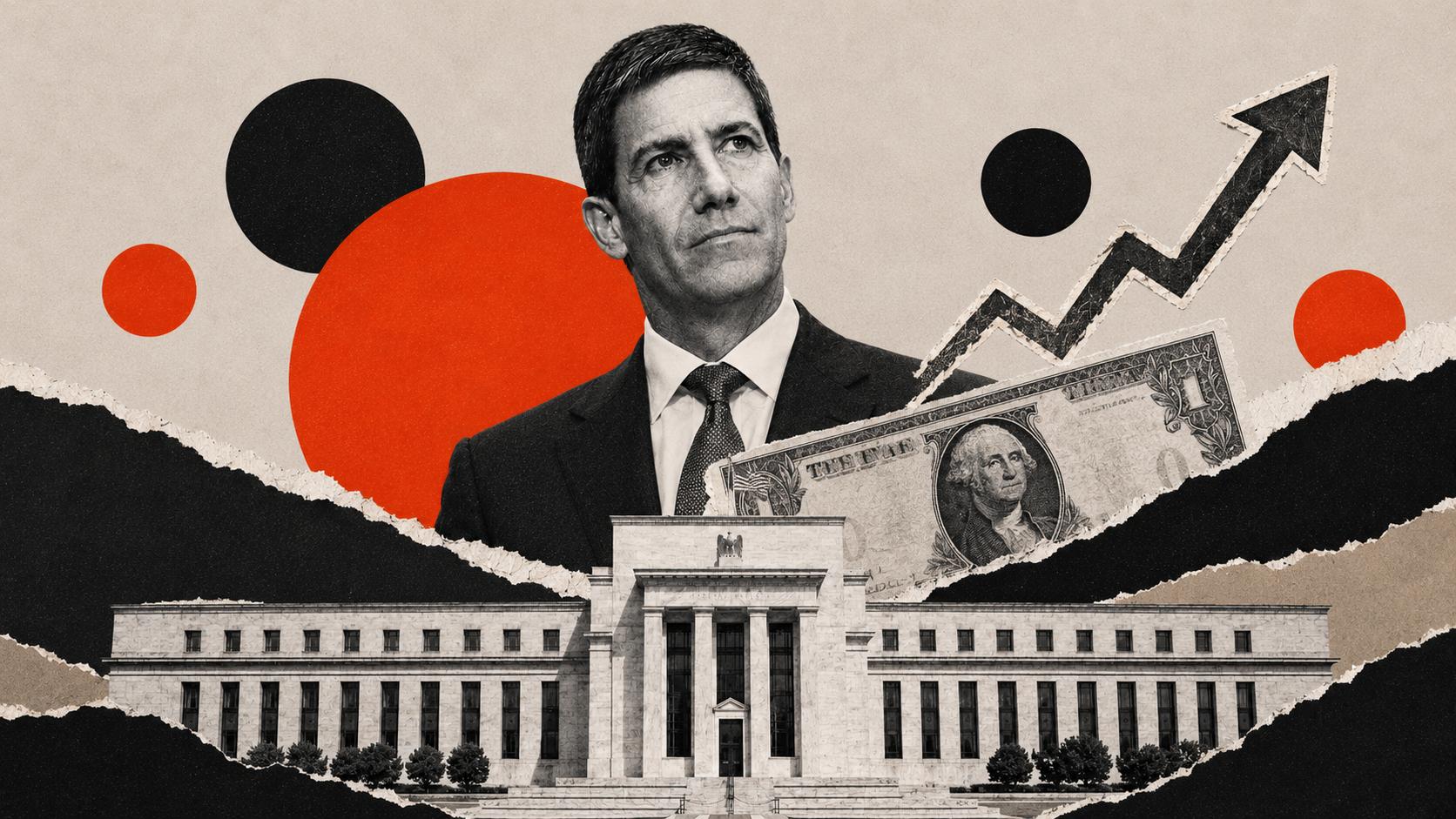
With no updated economic projections or dot plot due at this meeting, the voting split and Fed Chair Kevin Warsh’s remarks will be closely watched to determine the future path of interest rates.
A surprise rate hike would strengthen the US Dollar and put fresh selling pressure on EUR/USD. Conversely, a less hawkish message could weigh on the Greenback and help EUR/USD reclaim the psychological 1.1400 mark.
Fed FAQs
Monetary policy in the US is shaped by the Federal Reserve (Fed). The Fed has two mandates: to achieve price stability and foster full employment. Its primary tool to achieve these goals is by adjusting interest rates. When prices are rising too quickly and inflation is above the Fed’s 2% target, it raises interest rates, increasing borrowing costs throughout the economy. This results in a stronger US Dollar (USD) as it makes the US a more attractive place for international investors to park their money. When inflation falls below 2% or the Unemployment Rate is too high, the Fed may lower interest rates to encourage borrowing, which weighs on the Greenback.
The Federal Reserve (Fed) holds eight policy meetings a year, where the Federal Open Market Committee (FOMC) assesses economic conditions and makes monetary policy decisions. The FOMC is attended by twelve Fed officials – the seven members of the Board of Governors, the president of the Federal Reserve Bank of New York, and four of the remaining eleven regional Reserve Bank presidents, who serve one-year terms on a rotating basis.
In extreme situations, the Federal Reserve may resort to a policy named Quantitative Easing (QE). QE is the process by which the Fed substantially increases the flow of credit in a stuck financial system. It is a non-standard policy measure used during crises or when inflation is extremely low. It was the Fed’s weapon of choice during the Great Financial Crisis in 2008. It involves the Fed printing more Dollars and using them to buy high grade bonds from financial institutions. QE usually weakens the US Dollar.
Quantitative tightening (QT) is the reverse process of QE, whereby the Federal Reserve stops buying bonds from financial institutions and does not reinvest the principal from the bonds it holds maturing, to purchase new bonds. It is usually positive for the value of the US Dollar.
Author

Vishal Chaturvedi
FXStreet
I am a macro-focused research analyst with over four years of experience covering forex and commodities market. I enjoy breaking down complex economic trends and turning them into clear, actionable insights that help traders stay ahead of the curve.