The labor market is not screaming

Outlook
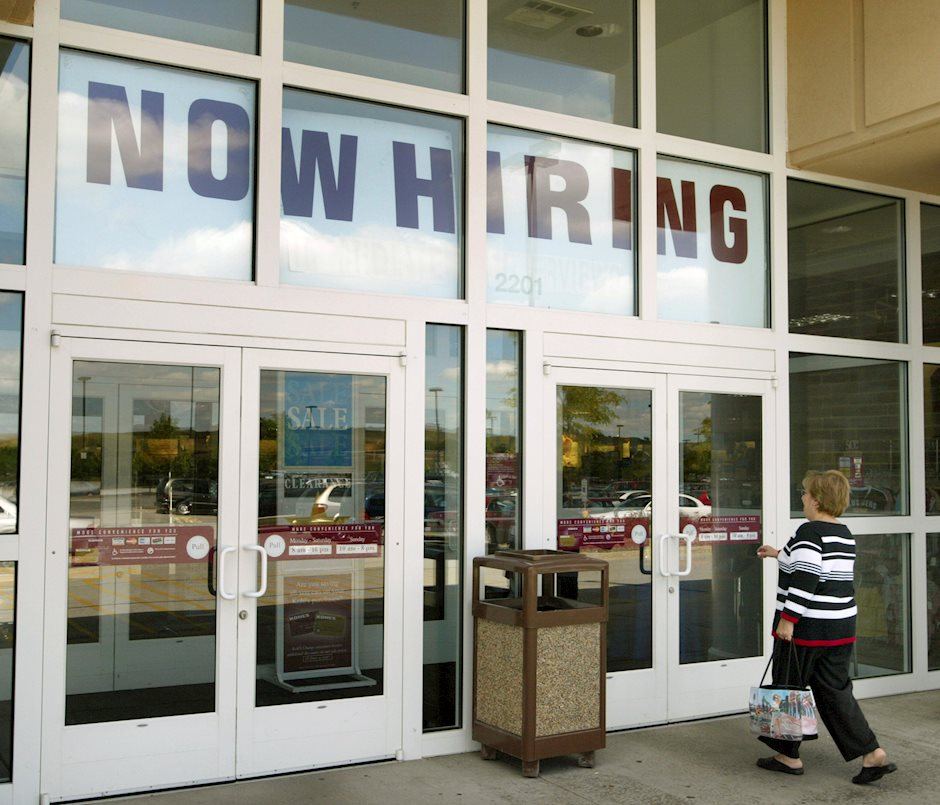
The labor market is not screaming. Weakish and cooling, but nothing drastic and nothing that calls for another 50 bp rate cut. This is partly behind the recent dollar rise but may be already starting to fade, judging from the charts—the AUD is particular, which needs a small push to get it back on track over manifest destiny at 70+ (in part due to China). But then there’s the Middle East pressing against the embrace of risk.
Also pressing, for the moment, is the dockworkers’ strike. Two things: labor strikes are far from the Fed’s purview. The Fed had nothing to say about strikes over the past few years, especially the Hollywood writers and autoworkers. The longshoremen strike is closer to the Hollywood writers’ strike than the autoworkers, because it hinges on automation (AI) replacing humans.
The US economy is not so fragile that this strike will somehow inspire the Fed to 50 bp from the current more relaxed stance, but you never know. Friday’s nonfarm payrolls have the juice to shift the narrative—but are not expected to scare the horses. In August, payrolls were 142,000, missing the forecast of 160,000 but far better than the anomalous 89,000 in July. This time the consensus is for 140,000 but some forecasters saying 160,000 (on special circumstances) and Trading economics going for 130,000.
In the absence of hot news, the political may dominate. The once exception seems to be Bank of England Gov Bailey hinting that it’s getting to be time for greater aggression. Sterling responded aggressively with a big drop, something FX traders had not seen coming… almost as though Bailey wanted the sterling dip to continue. If so, he got his way. Note it’s not nice to insinuate central banks manipulate currencies….
Tidbit: The Japanese financial markets are undecided about what new PM Ishiba is going to bring. At first it looked like he might take on the BoJ and press for rate hikes/normalization, but then he came out and said patience is a virtue. That refers to monetary policy, for the moment, but not perhaps to fiscal policy.
Bloomberg writes “Ishiba has in the past favored raising corporate and capital gains taxes, and advocates efforts to revive Japan’s more rural areas, where the population is sliding. When he unsuccessfully challenged Abe in 2018, he pledged to keep fiscal consolidation in mind. That’s in part why Japan’s Nikkei 225 stock average tumbled almost 5% Monday, in the wake of Ishiba’s selection.” It might be marginal and not revolutionary, though, according to the Big Banks.
Bottom line, we do not have a specific, coherent plan from Ishiba and there is still a general election to get through. In the absence of a plan, it’s hard to see what will hold the yen up against the still-present yield differential.
Forecast
Risk is high or rising on a number of fronts, and the risk of significant labor market softness in the US, strike aside, is low. This removes any excuse the Fed might point to as justification for another giant 50 bp rate cut in Oct. The Fed, which would never cut rates more than expected because of such a thing. We may well get an equity market pullback when the 50 bp crowd figures out they are not getting another 50 bp cut, but recovery should be in order.
The strike raises perception of risk and that dollar-friendly. Seems perverse as FX often is. We might point out it takes away some of the appeal of EM’s, too.
Political Tidbit: Yesterday the DC judge released the revised charges against Trump by US Justice Dept Special Counsel Jack Smith. It’s a 163-page package of bombshells, quoting witnesses the Jan 6 Committee couldn’t get. They testify out loud demonstrating that Trump had criminal intent in the series of actions trying to overthrow his election loss and leading to the mob attacking the Capital, including the attack. Cable news had a field day.
A critical point is that these revised charges explicitly seek to obey the Supreme Court ruling that anything done in office is okay, however notionally criminal, but actions taken as a candidate are fair game. This is named “private crimes,” meaning the criminal is acting for personal reasons, not presidential ones. Smith even asks the judge to rule specifically on that issue, a precursor to the case going to Appeals and the Supreme Court. If Trump loses the election, the case will get heard eventually. If he wins the election, he will shut it all down. Whichever happens, Trump is going down in history as a criminal, already convicted elsewhere, and despicable either way.
This is an excerpt from “The Rockefeller Morning Briefing,” which is far larger (about 10 pages). The Briefing has been published every day for over 25 years and represents experienced analysis and insight. The report offers deep background and is not intended to guide FX trading. Rockefeller produces other reports (in spot and futures) for trading purposes.
To get a two-week trial of the full reports plus traders advice for only $3.95. Click here!
This is an excerpt from “The Rockefeller Morning Briefing,” which is far larger (about 10 pages). The Briefing has been published every day for over 25 years and represents experienced analysis and insight. The report offers deep background and is not intended to guide FX trading. Rockefeller produces other reports (in spot and futures) for trading purposes.
To get a two-week trial of the full reports plus traders advice for only $3.95. Click here!
Author
Barbara Rockefeller
Rockefeller Treasury Services, Inc.
Experience Before founding Rockefeller Treasury, Barbara worked at Citibank and other banks as a risk manager, new product developer (Cititrend), FX trader, advisor and loan officer. Miss Rockefeller is engaged to perform FX-relat

















