ECB Preview: Three losing scenarios for Lagarde and EUR/USD as EU leaders fail to counter coronavirus
- The European Central Bank has limited scope to act in the face of the coronavirus crisis.
- The euro is set to fall if the ECB adds monetary stimulus.
- A downfall is likely also if Lagarde passes the ball to politicians.
- EU leaders are the only ones with powers to lift the euro with massive fiscal expenditure.
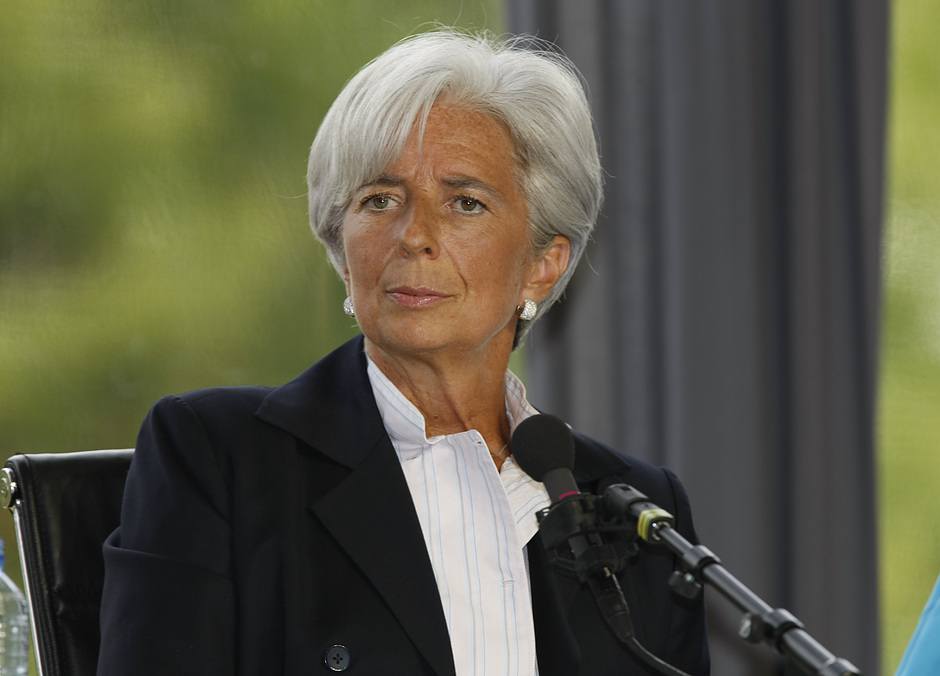

Between a rock, a hard place, and the coronavirus – that is where the European Central and President Christine Lagarde are at as they try to provide economic relief in the wake of the health crisis.
Well before the world heard about Covid-19, the bank's deposit stood at -0.50% – deep in negative territory and hurting banks. The ECB is also adding liquidity by buying €20 billion of bonds monthly – albeit below the peak of the Quantitative Easing program that reached €80 billion.
Despite all this stimulus, eurozone economic growth was slow in 2019 while inflation – which the ECB aims to bring to around 2% – was hardly above 1%.
The coronavirus crisis has brought Italian transport and its economy to a standstill as the death toll topped 600 and the number of cases exceeded 10,000. Germany, France, and Spain have all confirmed over 1,000 cases and have slapped various limitations.
Elsewhere, the Federal Reserve and the Bank of England have slashed borrowing costs by a double-dose of 50 basis points – and outside their scheduled meetings. The ECB refrained from announcing emergency action but its head undoubtedly sounded the alarm.
In a teleconference with EU leaders, Lagarde warned of a 2008-style crisis if Europe fails to act. Calling for governments to act is not a novelty – Mario Draghi, Lagarde's predecessor, has been doing it for years. However, the crisis provides an opportunity.
Investors are flocking into bonds, pushing governments' borrowing costs deeper in negative territory in the old continent. Germany's yield curve is well below 0% – meaning it costs money to lend money to Berlin. German Chancellor Angela Merkel said that she will do "whatever is necessary" but many are skeptical and want to see numbers.
Until that happens, the ECB and the euro are in a lose-lose situation. In the UK, the BOE's surprise cut came hours before the government introduced a new budget.
Assuming that it does not happen in the eurozone, here the ECB's lose-lose scenarios:
1) No action – EUR/USD declines
In this case, the ECB acknowledges that additional monetary stimulus fails to help the economy and decides to sit on its hands, trying to force governments to act. That would please the hawks on the Governing Council and in theory, send the euro higher.
However, it would show a lack of coordination in Europe, rattling investor confidence and potentially pushing the euro lower.
This scenario has a medium probability. On one hand, additional ECB action would have a limited impact. On the other hand, the ECB would not like to be seen as not playing its role.
2) 10bp rate cut – EUR/USD falls significantly
If Lagarde follows bond markets' guidance and cuts interest rates by 10 basis points to-0.60%, it would cause more damage to commercial banks' balance sheets and not do much to help. Moreover, investors would potentially think that this is as much as the ECB can do, adding to concerns.
In this case, the euro has room for more significant falls. This scenario has a high probability as it would be in line with market expectations.
3) Ramping up QE – EUR/USD tumbles but could bounce
The ECB may decide to "do whatever it takes" and be seen as playing its role, regardless of government action. If Lagarde convinces the hawks to raise the bank's bond-buying pace – especially if it hits €50 billion per month or more – the euro would fall as well.
However, there is a chance that it could boost the euro later on as some may think that this ECB action might precede fiscal stimulus by governments.
This scenario has a low probability as it could be too much to stomach for the hawks.
Conclusion
The ECB's tools were exhausted before the coronavirus crisis and governments have a much bigger role to play in mitigating the economic fallout. The ECB has three options, all euro negative, at least in the short-term.
Author
Yohay Elam
FXStreet
Yohay is in Forex since 2008 when he founded Forex Crunch, a blog crafted in his free time that turned into a fully-fledged currency website later sold to Finixio.

















