Don’t forget about Silver
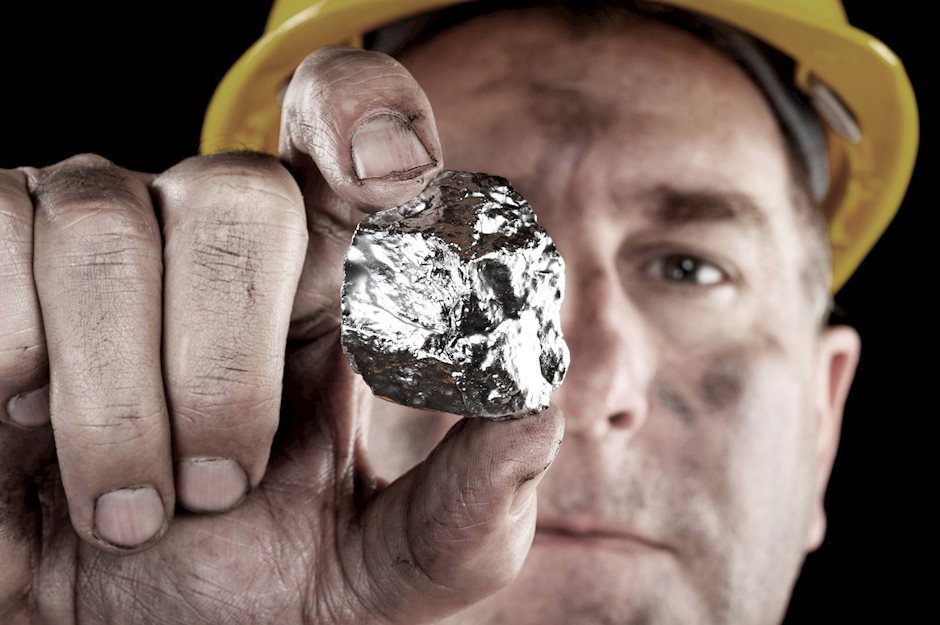

Silver exploded higher last week, gaining nearly $3/oz (over 10%). Despite the big move, the ratio of the gold price to the silver price is still around 84 to 1. The long-term average for the gold/silver ratio is under 50, but it has been ranging well above that level for a decade.
This persistent underperformance in silver is unprecedented in modern times. Silver bulls are forced to wonder if there has been some core shift in the value of silver relative to the benchmark represented by gold.
Before investors get to that question, however, they should first evaluate whether silver is appropriately and fairly priced.
The dirty truth is that silver prices are not set in a market between people who own actual silver and people who need or want the physical metal.
It is instead set in a derivatives market where paper contracts represent at least one hundred times more silver than there is sitting and ready to be delivered. These contracts are swapped at light speed between speculators, high-frequency trading machines, and bullion bankers.
Futures market participants, for the most part, neither produce nor have any use for silver bars.
When the silver price behaves erratically and seems disconnected from historical patterns and from fundamental drivers, the problematic, high-leverage mechanism for silver price discovery might be a better explanation than some core shift in silver’s value relative to gold.
A sound argument can be made that silver will get more valuable relative to gold.
Industrial demand for silver has been growing – particularly from manufacturers who produce solar panels. In total, manufacturers have increased their appetite for silver from 457 million ounces in 2015 to an estimated 711 million ounces this year, according to the Silver Institute.
The production of silver is not keeping up.
Mine output was greater in 2015, at nearly 897 million ounces, than it is now. The 2024 output is forecasted at 824 million ounces. It will be the 6th straight year of a supply deficit, and the above ground stockpiles backfilling that deficit are dwindling.
Meanwhile, the next big wave of silver investment demand may not be too far away.
The last big wave began in 2020 when COVID and the election of Joe Biden undermined confidence in the equity markets. Then Congress delivered $5 trillion in inflationary deficit spending.
Ahead of the 2024 election, the signs of a coming recession are proliferating. Should the U.S. economy stumble, Americans can count on Congress and the Fed to respond with even larger stimulus this time around.
Hedging against inflation will remain a primary investment thesis until Congress stops running multi-trillion-dollar deficits backed by our money printing central bank – the buyer of last resort for all of that debt. Investors will increasingly turn to the monetary metals as a hedge.
Silver looks cheap, given it remains far below its 2011 high at almost $50/oz. It also looks like a bargain when compared to other asset classes, including real estate and equities – which are at, or near, all-time highs.
Silver prices sure seem lower than they ought to be relative to gold. That isn’t going to last forever. Silver can be mispriced in the highly leveraged futures market in the short, or even medium term. However, that is not possible in the long term.
The futures price will have to move significantly higher to balance real supply with real demand, or the market will break and the price will be set in the physical markets. The fact that silver has not kept up with gold should looks like a value opportunity that won’t last forever.
To receive free commentary and analysis on the gold and silver markets, click here to be added to the Money Metals news service.
Author
Clint Siegner
Money Metals Exchange
Clint Siegner is a Director at Money Metals Exchange, the national precious metals company named 2015 "Dealer of the Year" in the United States by an independent global ratings group.