Can the Fed keep US rates in check?
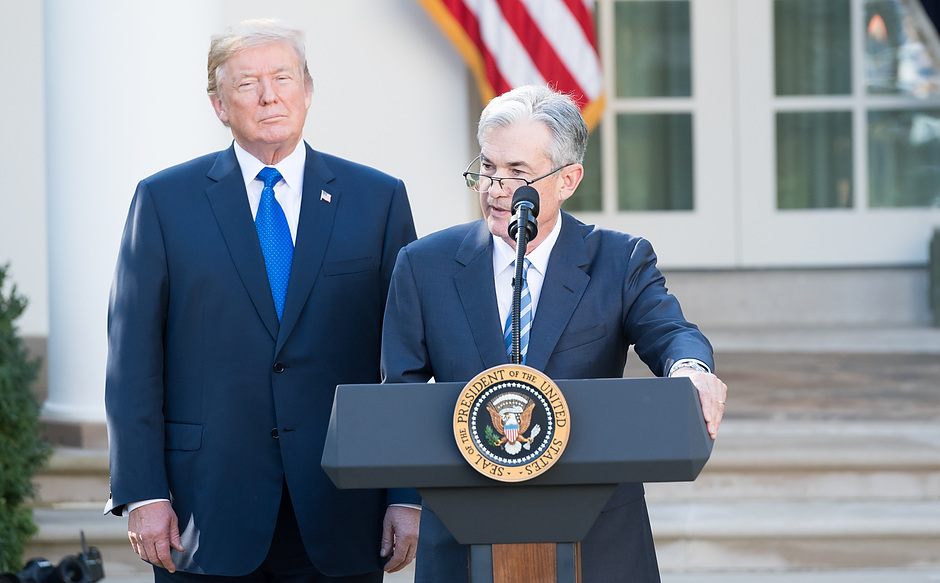

The powerful US economic expansion would, in normal times, have the Treasury market shooting interest rates higher. The Fed is determined to prevent rising yields from crippling the US recovery. How long can the central bank stave off the inevitable? Join FXStreet senior analysts Valeria Bednarik, Yohay Elam, and Joseph Trevisani for the scorecard on this financial heavyweight match.
Yohay Elam: Where is the dollar headed after the Federal Reserve's decision and US Gross Domestic Product figures? Let's try to break it down
Joseph Trevisani: ok
Valeria Bednarik: Well, so far, it keeps moving accordingly to sentiment. News, particularly GDP, underpin risk appetite, which in turn weighs on the dollar. However, this situation is not meant to last. Sooner rather than later the USD will show its self-strength. And if you think about it, Powell granted QE for longer. That's another boost for high-yielding assets in a risk-on scenario.
Joseph Trevisani: The US success in the pandemic is translating into economic growth, no surprise there, but the Fed's rhetoric and implied threat of intervention, has kept a lid on US rates. How long can that last if the US expands at 6.5% in coming quarters?
Yohay Elam: The Fed was undoubtedly dovish, rejecting tapering flat out that´s dollar bearish, but I agree it cannot last for too long
Joseph Trevisani: The reason is tactical. If the Fed was optimistic, the Treasury market would run with it. 2013 is on the Fed's mind. Mr. Powell's performance, the neatly rote repetition of "substantial further progress" was very very deliberate. Nearly and successful.
Valeria Bednarik: You have a point there. Yields have cooled, and don't seem anywhere near the frenzy we saw earlier this year.
Yohay Elam: He gave a good performance, and kept yields in check.
Joseph Trevisani: The only thing the Fed could say in reference to its bond program is that if growth continues at the current pace, of course, we will taper the bond-buying. It's as obvious and logical as the dawn. And...to stretch the metaphor, Powell kept the sun from rising.
Valeria Bednarik: And Powell repeated the mantra of "substantial further progress" ad exhaustion...
Yohay Elam: Yes, that was the recurring theme.
Joseph Trevisani: Exactly. It was a very un-Powell performance.
Yohay Elam: He pushed the dollar and yields down, stocks up. He also said the economy has a long way to go but does it? GDP figures look strong.
Joseph Trevisani: Mr. Powell, in his way is very effective.
Valeria Bednarik: Does not seem the path will be too long.
Joseph Trevisani: I think the economy is farther along than anyone realizes.
Valeria Bednarik: However, he also highlighted multiple times that the economy needs to recover 8.4 million jobs.
Yohay Elam: The number of those unemployed will likely fall significantly next week.
Joseph Trevisani: The pandemic telescoped economic change. Many of those jobs would have fallen as the economy evolved, but the lockdowns made it happen all at once.
Valeria Bednarik: On the other hand, the UK has also progressed in its battle against the pandemic, and there are mounting hopes the EU will be out of the woods this summer. How could that affect the potential dollar's strength we are discussing now? I mean, the US is not the only one turning the curve.
Joseph Trevisani: True, first but not without followers. It depends on rates, if US rates rise, they pull the dollar along. As Europe improves, the pendulum swings back.
Yohay Elam: Europe is doing some catching up and that explains the euro's rise. But I agree that the US is further down the road. The Fed will eventually have to act, probably sooner than Wednesday's message implies, and that would be dollar positive.
Joseph Trevisani: The 10-year yield is up 6 points now.
Yohay Elam: The GDP components are strong: 10.7% personal consumption, 9.9% rise in business investment, and a drawdown by inventories – something that will need to be replenished in Q2.
Joseph Trevisani: I don't think the Fed has to act. Even on the bond program, which is almost exclusively in the short end of the yield curve. All the Fed has to do is get out of the way, rhetorically speaking.
Valeria Bednarik: As long as the yield on the 10-year note stands below 1.70%, the dollar won't get some love.
Joseph Trevisani: The mini-Roaring 20s effect. True, the 10-year needs to rise above the old high and towards 2% for dollar impact.
Yohay Elam: Indeed, once 10-year yields cross that 1.70% threshold and advance toward the highs, the greenback could rise. What kind of Nonfarm Payrolls figure would we need to see for that to happen? Over one million?
Valeria Bednarik: Yeah something like that. This will mean the US will be "fully recovered" by year-end.
Joseph Trevisani: Powell said yesterday, we have had one great job report, that is not enough.
Valeria Bednarik: One swallow does not make a summer...
Joseph Trevisani: Isn't the follow to that. See you in September? If the economy continues, I don't see how the Fed cannot change policy.
Valeria Bednarik: Some "normality" is surging in financial markets... Gold and JPY are sharply down with upbeat US data.
Joseph Trevisani: All the indicators are pointing towards a strong recovery, commodities are at three-year highs.
Yohay Elam: Copper > $10,000. Commodity prices point to inflation in the pipeline the copper pipeline.
Valeria Bednarik: Palladium also hit record highs today. We are optimistic!
Joseph Trevisani: And lumber, I just put in a new roof and gutters. Cedar shingles had tripled in price from 18 months ago.
Yohay Elam: That deeper down the commodities rabbit hole.
Joseph Trevisani: These are not base effects but demand
Yohay Elam: The Fed could still see these developments as a result of bottlenecks.
Joseph Trevisani: Yes, that is the Fed's position.
Yohay Elam: It could still be proved correct, but we'll probably know only in the third quarter in the meantime, I think the dollar has room for a comeback.
Valeria Bednarik: A small room.. and only to fall back
Joseph Trevisani: I agree. It is hard to overcome a rising US yield scenario, but then US rates are being very sticky.
Yohay Elam: And perhaps a much-needed correction in US stocks, despite some robust earnings.
Valeria Bednarik: We'll see.
Joseph Trevisani: Back to US rates. I think the Fed wants to prevent a rush higher, market instability as the bankers like to say, but an energetic US economy can only mean one thing.
Valeria Bednarik: We have enough experience to know that when the market decides to go in one direction, whatever central bankers think or do becomes irrelevant.
Yohay Elam: Indeed. Powell said that not only are there many Americans out of work, but many have retired and a strong labor market could bring them back. Perhaps only when participation rises significantly – and also wages move higher – will inflation and the Fed make a move?
Valeria Bednarik: Yeah, seems a much more likely scenario.
Joseph Trevisani: Remember the Yellen Fed, which raised rates even though none of the standard economic indicators for higher rates were present.
Joseph Trevisani: We are not by any means there, but the Fed has a conservative economic record on rates.
Yohay Elam: Powell has redefined dovishness, especially with last August's policy review. Prioritizing full employment at the expense of inflation is a significant change. The theory will probably be tested sooner rather than later.
Joseph Trevisani: The global trend over a generation is toward lower inflation, more form globalization than central bank policy, and that remains intact.
Yohay Elam: Indeed, deglobalization, if it happens, would be a very long process.
Valeria Bednarik: We won't live enough to see it.
Premium
You have reached your limit of 3 free articles for this month.
Start your subscription and get access to all our original articles.
Author
FXStreet Team
FXStreet

















