Wall Street Close: S&P 500, Dow, Nasdaq Comp all notch all-time closing highs
- All three major US indices closed at record highs on the long US weekend.
- The fundamental backdrop remains very much bullish, as has been the case now for two weeks running.
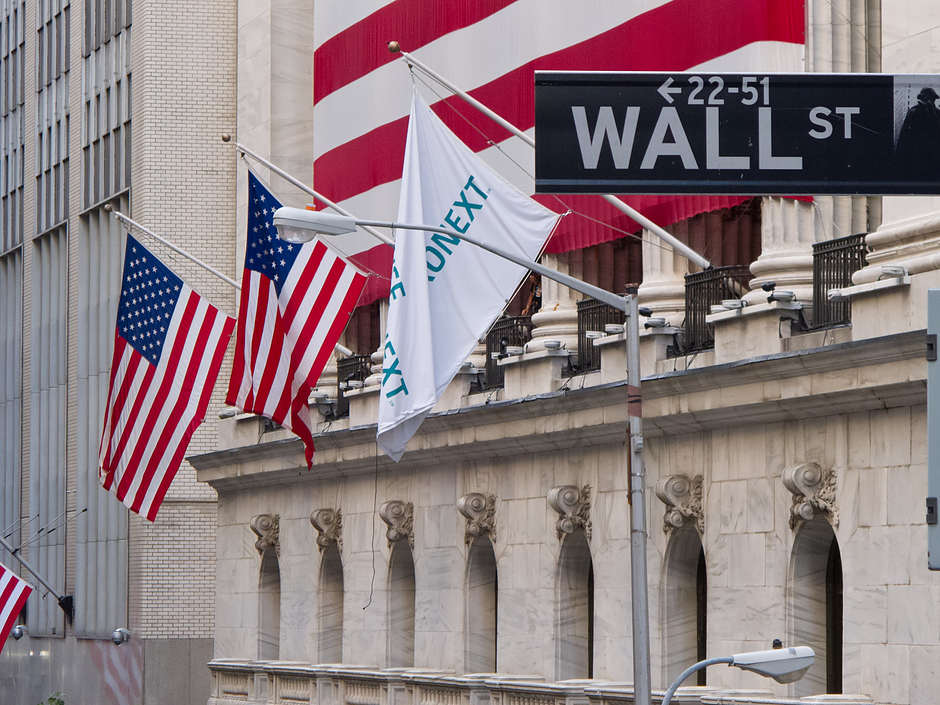

All-time closing highs for everyone!
The party on Wall Street continues and the major US indices rounded out the week with a bang; the S&P 500 rose 0.5% on Friday to close in the 3935.51, up 1.2% on the week and nearly 6% on the month. The Dow rose 0.1% to close at 31448.44, up 1.0% on the week and nearly 5% on the month. The Nasdaq Composite rose 0.5% to close just under 14100 for a gain of 1.7% on the week. The index is up 7.8% on the month. All three indices notched record closing levels ahead of the long US weekend (its President’s Day on Monday), while the VIX dropped and closed below 20 for the first time since 21 February (right before markets begun to panic about the spread of Covid-19 in Italy in Europe).
In terms of the price action, for most of the session, the major indices were mixed/flat, with the buying really kicking in during the final hour of trade. Stocks may have taken their cue from crude oil markets, which had just surged to fresh 13-month highs a few hours earlier, or from the US dollar, which had recently slipped back from highs hit prior to the start of US trade.
In terms of the sectors; energy performed well amid the surge in crude oil prices (WTI rallied nearly $1.50 to the mid-$59.00s) and financials did well amid the rise in US bond yields (the US-10 year rose 5bps to above 1.20% and the 30-year yield was up 6bps to above 2.0%, though most of this was as a result of higher inflation expectations). Utilities dropped amid their defensive characteristics.
Bullish feels
Markets remain optimistic about the outlook for 1) more US fiscal stimulus (Congressional Democrats are pushing for US President Joe Biden’s full $1.9T package), 2) the outlook for central bank policy (dovish Fed speak from Chairman Jerome Powell and other FOMC members reassured markets that the monetary punchbowl is going to be withdrawn any time soon) and 3) the outlook for global vaccination programmes (the US ordered 200M more doses to help speech up their efforts) and post-pandemic recovery.
News flows this week largely supported optimism across all of these fronts and the buying into the Friday close might well have been some market participants positioning themselves for what they might expect to be a weekend of more positive news. If that is the case, further gains are likely next week, with fears about over-valuation seemingly having been eased following what has for the most part been a much stronger than expected earnings season (that saw S&P 500 companies post earnings growth in Q4 2020 versus expectations prior to the start of earnings season for an on average 10% drop in YoY earnings).
Another highly touted risk to equity markets at these valuations is higher (US) bond yields. Nominal yields surpassed and closed above some important milestones on Friday, with the 10-year rising above 1.2% and the 30-year above 2.0%. Much of this move was driven by a move higher in inflation expectations, however and, though real yields did move a little higher amid the risk on, they still remain close to historic lows. As long as this remains the case (which it should so long as the Fed doesn’t prematurely taper its QE programme, which it doesn’t seem likely to do), equity markets should have little to fear from inflation driven upside in nominal bond yields. In fact, when you think about it, like nominal US bond yields, stock prices are not inflation-adjusted either, so in that sense, higher inflation expectations should boost stock prices (logic which relies on the assumption that companies can raise their prices thus boosting their earnings in line with inflation).
Author
Joel Frank
Independent Analyst
Joel Frank is an economics graduate from the University of Birmingham and has worked as a full-time financial market analyst since 2018, specialising in the coverage of how developments in the global economy impact financial asset

















