USD/JPY weakens below 162.00 as traders await US CPI data
- USD/JPY edges lower to 161.55 in Thursday’s early Asian session.
- Fed’s Powell gave a cautious nod to recent progress on inflation.
- The growing speculation that BoJ will hike in the July meeting boosts the JPY.
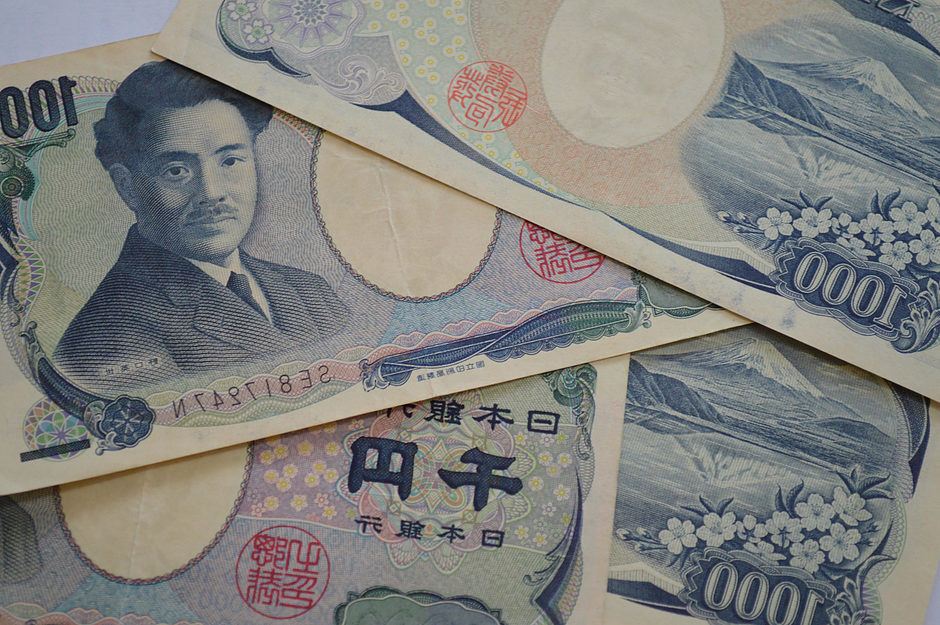

The USD/JPY pair trades on a softer note around 161.55, snapping the three-day winning streak on Thursday during the early Asian session. The pair edges lower amid the decline of the US Dollar (USD) broadly. Investors will take more cues from the US Consumer Price Index (CPI) data for June, which is due on Thursday. The Federal Reserve’s (Fed) Raphael Bostic is set to speak.
Fed Chair Jerome Powell acknowledged the progress on inflation, yet Powell stated that it would not be appropriate to cut the policy rate until they gain greater confidence in inflation heading sustainably towards the Fed’s 2% target.
Traders anticipate the US Fed to maintain the benchmark interest rate in the 5.25% to 5.5% range in its next meeting on July 30-31. The US CPI inflation report on Thursday will be closely watched, and further progress on inflation could lead to key changes in their policy statement that pave the way for a September rate cut.
On the other hand, the higher speculation that the Bank of Japan (BoJ) will be forced to raise interest rates at its July meeting provides some support to the Japanese Yen (JPY). Peter Boockvar, chief financial officer at US-based Bleakley Financial Group, said that the Yen's weakness will trigger the BoJ to "react sooner rather than later."
Japanese Yen FAQs
The Japanese Yen (JPY) is one of the world’s most traded currencies. Its value is broadly determined by the performance of the Japanese economy, but more specifically by the Bank of Japan’s policy, the differential between Japanese and US bond yields, or risk sentiment among traders, among other factors.
One of the Bank of Japan’s mandates is currency control, so its moves are key for the Yen. The BoJ has directly intervened in currency markets sometimes, generally to lower the value of the Yen, although it refrains from doing it often due to political concerns of its main trading partners. The current BoJ ultra-loose monetary policy, based on massive stimulus to the economy, has caused the Yen to depreciate against its main currency peers. This process has exacerbated more recently due to an increasing policy divergence between the Bank of Japan and other main central banks, which have opted to increase interest rates sharply to fight decades-high levels of inflation.
The BoJ’s stance of sticking to ultra-loose monetary policy has led to a widening policy divergence with other central banks, particularly with the US Federal Reserve. This supports a widening of the differential between the 10-year US and Japanese bonds, which favors the US Dollar against the Japanese Yen.
The Japanese Yen is often seen as a safe-haven investment. This means that in times of market stress, investors are more likely to put their money in the Japanese currency due to its supposed reliability and stability. Turbulent times are likely to strengthen the Yen’s value against other currencies seen as more risky to invest in.
Author
Lallalit Srijandorn
FXStreet
Lallalit Srijandorn is a Parisian at heart. She has lived in France since 2019 and now becomes a digital entrepreneur based in Paris and Bangkok.