USD/INR: Rupee rises to fresh 7-month tops near 68.40
- Surge in foreign inflows into equities, seasonal factors and broad USD weakness underpin.
- USD/INR breached the key 68.50 psychological support, what’s next?
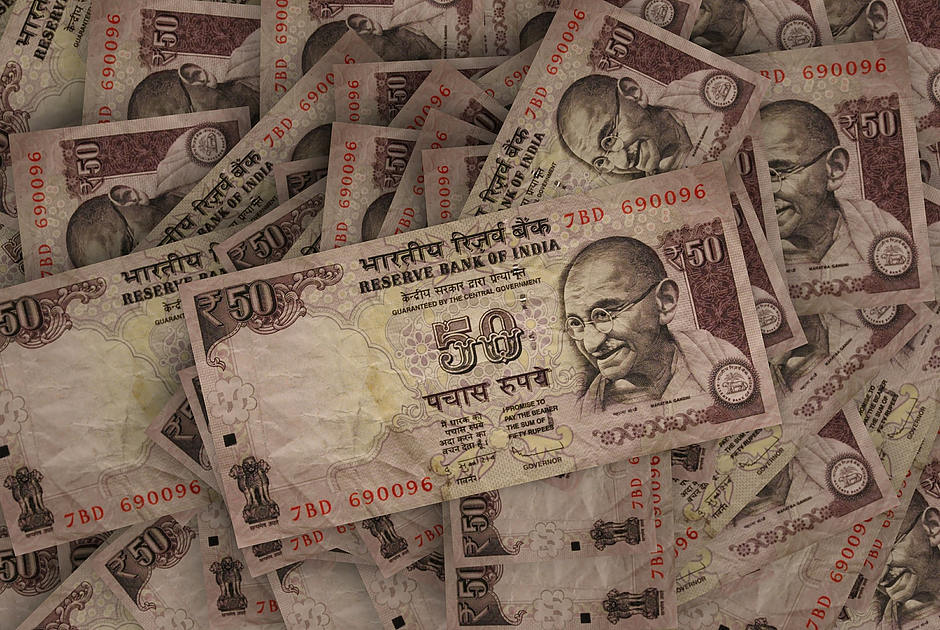

The Indian National Rupee (INR) extends its run of gains against the US dollar for the tenth straight session this Monday, dragging the USD/INR cross to fresh seven-month lows of 68.44. At the press time, the cross trades near 68.55, having faded the recent spike to 68.88.
The Indian currency continues to benefit from the ongoing rise in the foreign investment flows into the Indian stock markets, as markets remain expectant of Prime Minister (PM) Narendra Modi returning to power for the second term.
Further, broad-based US dollar amid increased odds of the Fed maintaining its accommodative stance on the monetary policy this week, following the recent series of downbeat US fundamentals, also collaborated to the downside bias in the USD/INR pair. The USD index trades near three-day lows of 96.40, down -0.11% so far.
The seasonal “March factor also continues to remain one of the key factors behind the Rupee upsurge. According to Reuters, “… most exporters bring back their dollars to India towards the end of the fiscal year to settle their annual accounts and repayment of debts which increases inflows.”
USD/INR Technical Levels
Overview:
Today Last Price: 68.556
Today Daily change %: -1.00%
Today Daily Open: 69.2725
Trends:
Daily SMA20: 70.5061
Daily SMA50: 70.803
Daily SMA100: 71.0503
Daily SMA200: 70.7784
Levels:
Previous Daily High: 69.671
Previous Daily Low: 68.917
Previous Weekly High: 70.22
Previous Weekly Low: 68.917
Previous Monthly High: 71.915
Previous Monthly Low: 70.105
Daily Fibonacci 38.2%: 69.205
Daily Fibonacci 61.8%: 69.383
Daily Pivot Point S1: 68.9027
Daily Pivot Point S2: 68.5328
Daily Pivot Point S3: 68.1487
Daily Pivot Point R1: 69.6567
Daily Pivot Point R2: 70.0408
Daily Pivot Point R3: 70.4107
Author
Dhwani Mehta
FXStreet
Residing in Mumbai (India), Dhwani is a Senior Analyst and Manager of the Asian session at FXStreet. She has over 10 years of experience in analyzing and covering the global financial markets, with specialization in Forex and commodities markets.