US Dollar gives up further ground as markets gear for NFPs readings
- US Dollar weakened on Thursday after mixed US economic data.
- S&P Global Services PMI and ISM Services PMI showed expansion in the service sector.
- Labor data showed some signs of weaknesses.
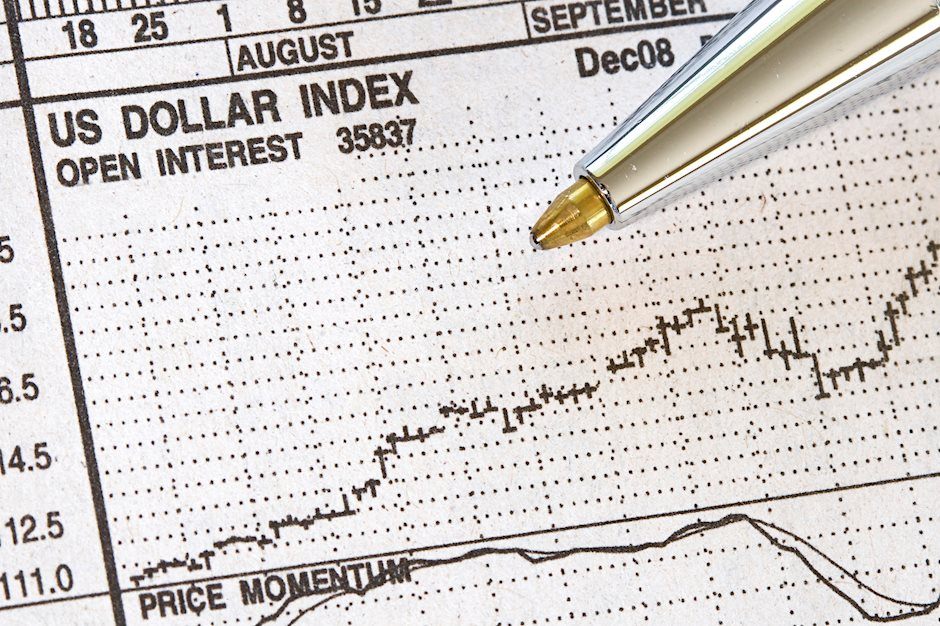

On Thursday, the US Dollar Index (DXY), a measure of the USD against a basket of six currencies experienced volatility following the release of mixed economic data from the United States. Labor data showed weakness in the sector, while Services figures were strong.
With the US economic outlook mixed, signs of cooling in the labor market are making investors put some bets on a larger cut in September.
Daily digest market movers: US Dollar stands weak after labor figures, steady dovish bets
- ADP Employment Change missed estimates, falling to 99,000 from 122,000, while the prior month was revised down to 111,000.
- Initial Claims came in at 227,000 from 232,000 previously, while Continuing Claims fell from 1.860 million to 1.838 million.
- In addition, Nonfarm Productivity saw a small uptick to 2.5% from 2.3%, while Labor Cost fell from 0.9% to 0.4%.
- S&P Global's Services PMI rose from 55.2 to 55.7, and the Composite PMI increased from 54.1 to 54.6. The ISM's Services PMI improved slightly from 51.4 to 51.5.
- Contributing to the cooling labor market, the Employment Index in the ISM Services PMI declined from 51.1 to 50.2.
- Following the data, the CME Fedwatch Tool indicates a 55% chance of a 25 bps rate cut in September and a 45% chance of a 50 bps cut, with further cuts expected thereafter.
DXY technical outlook: Technicals suggest continued bearish momentum, testing support at 100.50
The DXY index's technical indicators have resumed their downward trajectory and remain in negative territory. Despite a recent recovery attempt, the index encountered resistance at its 20-day Simple Moving Average (SMA), resulting in a rejection of buyers.
As a result, the DXY is poised to revisit the 100.50 (August lows) support level. Above, support levels include 101.30, 101.15, and 101.00, while resistance levels are located at 101.80, 102.00, and 102.30.
Indicators-wise, the Relative Strength Index (RSI) and Moving Average Convergence Divergence (MACD) continue to suggest bearish momentum as they are still in negative terrain.
Nonfarm Payrolls FAQs
Nonfarm Payrolls (NFP) are part of the US Bureau of Labor Statistics monthly jobs report. The Nonfarm Payrolls component specifically measures the change in the number of people employed in the US during the previous month, excluding the farming industry.
The Nonfarm Payrolls figure can influence the decisions of the Federal Reserve by providing a measure of how successfully the Fed is meeting its mandate of fostering full employment and 2% inflation. A relatively high NFP figure means more people are in employment, earning more money and therefore probably spending more. A relatively low Nonfarm Payrolls’ result, on the either hand, could mean people are struggling to find work. The Fed will typically raise interest rates to combat high inflation triggered by low unemployment, and lower them to stimulate a stagnant labor market.
Nonfarm Payrolls generally have a positive correlation with the US Dollar. This means when payrolls’ figures come out higher-than-expected the USD tends to rally and vice versa when they are lower. NFPs influence the US Dollar by virtue of their impact on inflation, monetary policy expectations and interest rates. A higher NFP usually means the Federal Reserve will be more tight in its monetary policy, supporting the USD.
Nonfarm Payrolls are generally negatively-correlated with the price of Gold. This means a higher-than-expected payrolls’ figure will have a depressing effect on the Gold price and vice versa. Higher NFP generally has a positive effect on the value of the USD, and like most major commodities Gold is priced in US Dollars. If the USD gains in value, therefore, it requires less Dollars to buy an ounce of Gold. Also, higher interest rates (typically helped higher NFPs) also lessen the attractiveness of Gold as an investment compared to staying in cash, where the money will at least earn interest.
Nonfarm Payrolls is only one component within a bigger jobs report and it can be overshadowed by the other components. At times, when NFP come out higher-than-forecast, but the Average Weekly Earnings is lower than expected, the market has ignored the potentially inflationary effect of the headline result and interpreted the fall in earnings as deflationary. The Participation Rate and the Average Weekly Hours components can also influence the market reaction, but only in seldom events like the “Great Resignation” or the Global Financial Crisis.
Author
Patricio Martín
FXStreet
Patricio is an economist from Argentina passionate about global finance and understanding the daily movements of the markets.