US Dollar sees further losses, Fed speakers on the watch
- US Dollar pauses as investors dissect recent comments from Federal Reserve officials.
- Markets appear skeptical about the Fed's guidance and continue to anticipate potential cuts in September.
- Fed officials' cautious remarks limit downside in the US Dollar.
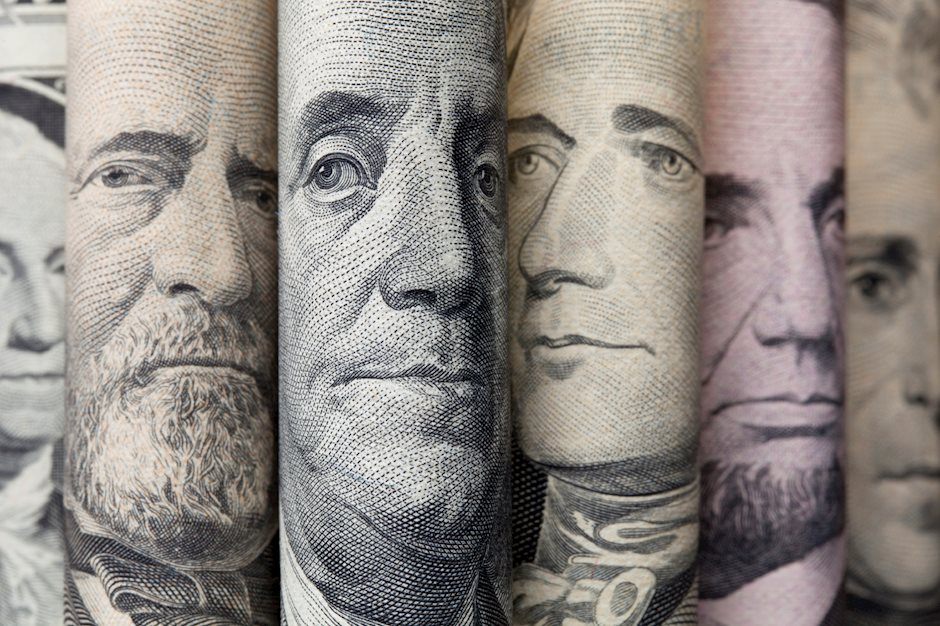

On Wednesday, the US Dollar as measured by the DXY Index (DXY) remained relatively unchanged around the 105.20 mark as investors parsed words from key Federal Reserve (Fed) officials on a quiet Wednesday. Following last week’s 0.50% gain, the index is tallying a three-day losing streak.
The US economic outlook is starting to show some signs of weakness. If data continues to fuel hopes of a September interest rate cut, the USD may struggle.
Daily digest market movers: US Dollar flat as markets wrestle with Fed remarks
- Cleveland Federal Reserve President Loretta Mester voiced a preference for a "longer run of good-looking inflation data" before making a firm decision.
- Minneapolis Fed President Neel Kashkari expressed that waiting until December to cut interest rates could be a “reasonable prediction."
- Philadelphia Federal Reserve President Patrick Harker proposed the likelihood of the Fed keeping rates steady for longer than the market currently anticipates.
- On a more dovish note, Fed Governor Adriana Kugler suggested that if economic conditions continue to show improvements, the Fed could consider additional rate reductions.
- Her colleague, Richmond Federal Reserve President Thomas Barkin, similarly indicated his readiness to back a rate cut but would need more data before doing so.
- According to the CME Group's FedWatch Tool, the probability of lower interest rates by the upcoming meeting on September 18 now stands at about 67%, which clashes with Fed guidance that hinted at only one cut in 2024.
DXY technical analysis: Momentum falters, but bullish sentiment persists
Technical indicators displayed flat momentum for Wednesday's session, yet the broader outlook remains optimistic. The Relative Strength Index (RSI) maintains above 50, with the Moving Average Convergence Divergence (MACD) still showcasing green bars that point toward bullish sentiment.
Additionally, the DXY continues to hold above its 20, 100 and 200-day Simple Moving Averages (SMA), which, coupled with investors' apparent pause, presents a persistent bullish outlook for the US Dollar. However, these indicators suggest that the previous week's momentum may be starting to wane, contributing to a consolidation phase in the DXY.
Interest rates FAQs
Interest rates are charged by financial institutions on loans to borrowers and are paid as interest to savers and depositors. They are influenced by base lending rates, which are set by central banks in response to changes in the economy. Central banks normally have a mandate to ensure price stability, which in most cases means targeting a core inflation rate of around 2%. If inflation falls below target the central bank may cut base lending rates, with a view to stimulating lending and boosting the economy. If inflation rises substantially above 2% it normally results in the central bank raising base lending rates in an attempt to lower inflation.
Higher interest rates generally help strengthen a country’s currency as they make it a more attractive place for global investors to park their money.
Higher interest rates overall weigh on the price of Gold because they increase the opportunity cost of holding Gold instead of investing in an interest-bearing asset or placing cash in the bank. If interest rates are high that usually pushes up the price of the US Dollar (USD), and since Gold is priced in Dollars, this has the effect of lowering the price of Gold.
The Fed funds rate is the overnight rate at which US banks lend to each other. It is the oft-quoted headline rate set by the Federal Reserve at its FOMC meetings. It is set as a range, for example 4.75%-5.00%, though the upper limit (in that case 5.00%) is the quoted figure. Market expectations for future Fed funds rate are tracked by the CME FedWatch tool, which shapes how many financial markets behave in anticipation of future Federal Reserve monetary policy decisions.
Author
Patricio Martín
FXStreet
Patricio is an economist from Argentina passionate about global finance and understanding the daily movements of the markets.

















