UK: Brexit strategy to take centre stage - BBH
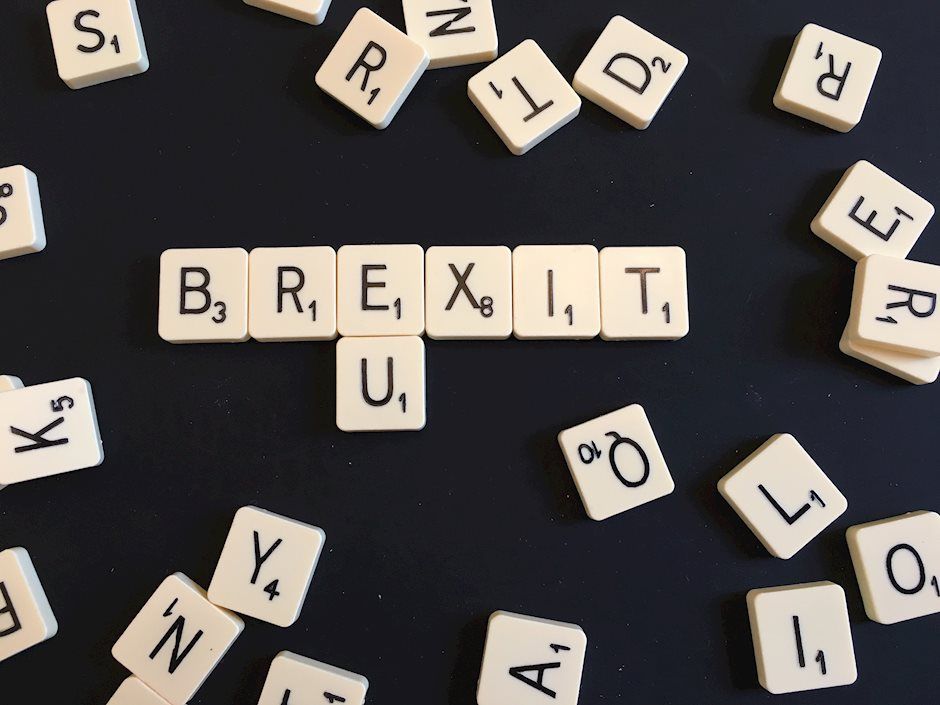

The next round of UK-EU negotiations on the pending amputation will be held next week and UK has issued a flurry of position papers that stake out its wish list, notes Marc Chandler, Global Head of Currency Strategy a BBH.
Key Quotes
“Last month, the EU told the UK to clarify its position and these papers are meant to do that. However, Britain still seems not to grasp the crux of the situation.”
“It is resisting the fact that once Article 50 is triggered the initiative shift to the EU. The UK still is trying to dictate the agenda of the negotiations. The EU negotiators won't allow this to happen. It is not a question of spite but realpolitik. The EU insists that there is sufficient progress on the terms of the amputation before a prosthetic is discussed. The UK resists this simple principle.”
“The EU seems to want to address three issues before negotiating a new relationship. After resisting any financial settlement, the UK has softened its stance but has not yet committed. The rights of citizens of other EU countries in the UK needs to be addressed. There is also the Irish border that needs to be addressed. This was the essence of the EU head negotiator Barnier at the start of the week.”
“The UK is clearly on the defensive. The thrust of its proposals seems to be of minimizing harm rather than creating something good or beneficial. Some EU officials reportedly suspect the UK is still dallying. About a quarter of the time before the amputation has already passed with little accomplished.”
“The UK still seems to be trying to cherry pick, and this is a source of EU frustration. The UK wants the benefits of the EU without any of its obligations. The EU cannot and will not accept this. It would weaken the Union and would set a dangerous precedent.”
“UK officials appear to be fantasizing if they think that the October 9-10 EU Summit can be the start of discussions for the new relationship unless there are significant strides on the issues Barnier cited at the beginning of the week. The Tory Party conference will be held a week before the summit. Domestic considerations may limit the government's movement before the conference.”
“Can the UK get a better deal than the one they are exiting? It currently gets access to the common market and has been allowed to opt out of the common currency. It is not a member of the Schengen Area. It has been able to enjoy more sovereignty than other members. It says now that it only wants access to the common market, which feeds into the criticism that it is still trying to cherry pick.”
“This year, it seemed like sterling appreciated on developments that encouraged expectations of a soft exit and weakened on the prospects of a hard exit. Despite the position papers, which some see as the UK drawing out its views on numerous examples of climbing down from the more strident positions earlier, sterling trades like a dog. Against the dollar, it is trading near two-month lows around $1.28. It has spent the better part of the past two weeks softening the trend line drawn off the March and June lows. The $1.2780 area corresponds to a 38.2% retracement of this year's gains. The 50% retracement is near $1.2630, and we find that sterling frequently has 50% retracements. Now, only a move above $1.2920 would lift the tone.”
“There are several investment banks that are talking about the euro going to parity against sterling. The euro is at its best level against the sterling since the flash crash last October. Leaving that aside (Bloomberg says it reached a high of GBP0.9415), this is the strongest the euro has been since the 2008-2009 crisis when the euro peaked near GBP0.9800 in late 2008 and was still near GBP0.9400 in Q4 09. The technicals are stretched, but there are no divergences or signs of an imminent top.”
Author
Sandeep Kanihama
FXStreet Contributor
Sandeep Kanihama is an FX Editor and Analyst with FXstreet having principally focus area on Asia and European markets with commodity, currency and equities coverage. He is stationed in the Indian capital city of Delhi.