Trump lays out his reciprocal tariffs on all countries, as stocks remain spooked
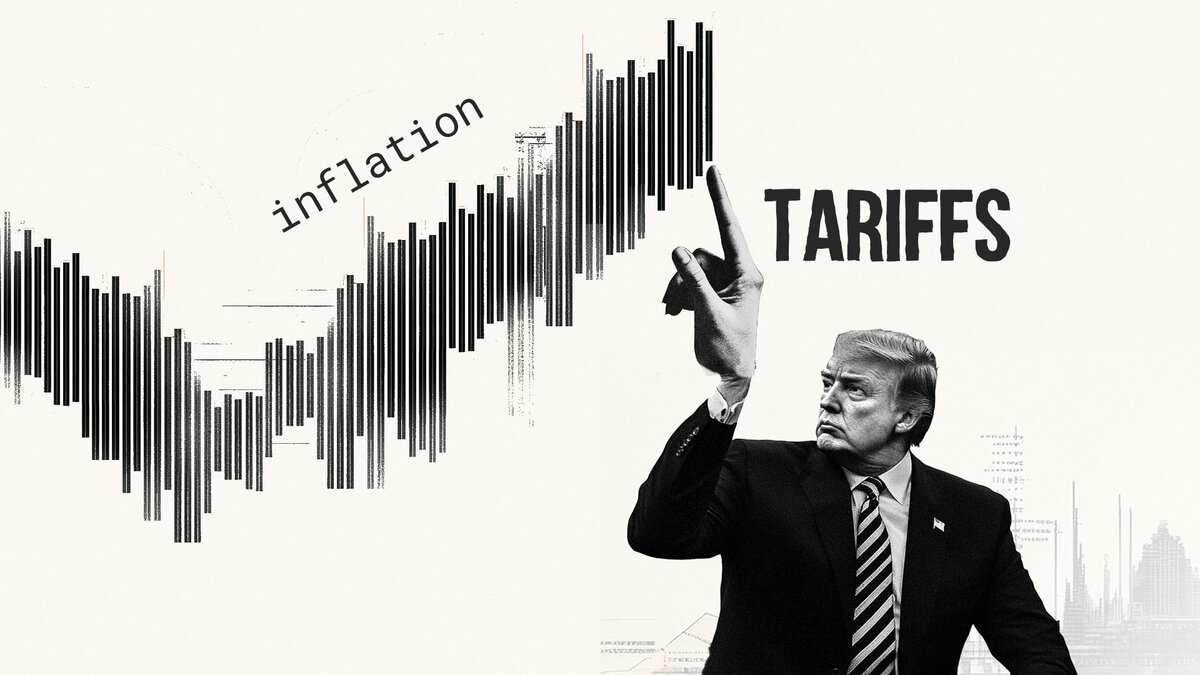

Was it an Oscar’s ceremony, or was it a tariff announcement? In a long, and varied speech in the White House’s rose garden, President Trump announced his reciprocal tariff rates. The baseline tariff rate is 10%, with rates varying for each country depending on how they levy tariffs on US imports. The UK has come off unscathed, with tariffs set at 10%, along with Brazil, Australia and Sadi Arabia. EU exports to the US are subject to double the UK’s rate at 20%, and Mexico and Canada have avoided further tariffs.
No exemptions allowed
Asian nations have been hit the hardest, with Vietnam subject to a 46% rate, and Cambodia at 49%. There has been whipsaw price action in the aftermath of Trump’s announcement. There were no carve outs or exemptions either for individual countries or for certain sectors, which spooked traders. In post-market trading, tech, autos, and materials sectors are lower, as expected.
Nvidia takes another knock
Nvidia has been hit hard. After initially rallying by 2%, it is currently down by nearly 5%, after Taiwan was subject to a 32% tariff rate. Asia ex Japan and China has been hit hardest by these tariffs, whereas the UK is definitely getting ‘tariff light’ treatment from the President. This is reflected in the pound, GBP/USD shot up above $1.30 at one point, although it has since backed away from this level.
US Treasury yields may have found a low, as inflation fears mount
Although the baseline tariff rate is lower than expected at 10%, the variance in reciprocal rates is concerning for markets. The 10-year US Treasury yield has dropped by 10 bps and is currently at 4.11%. The worst-case scenario for tariffs could have pushed 10-year yields below 4%, as investors rushed for safety. However, a mixture of higher-than-expected tariffs for some countries and the prospect of wide-ranging US tax cuts has raised fears about inflation, which could limit further downside for US Treasury yields.
Europe and the UK set to outperform the US
US stocks are set to remain under pressure in the short term, however the Treasury secretary said that President Trump would be open to negotiate tariffs lower in the future, although we do not know the details of how this could be achieved. The President’s announcement seemed comprehensive, but we cannot be sure there won’t be further tariff announcements. Until Trump confirms no more tariffs are incoming, then we could see European and UK stocks continue to outperform the US markets. In the immediate aftermath of the reciprocal tariff announcement, Eurostoxx 600 futures are lower by 0.4%, FTSE 100 futures are lower by 0.67%, and S&P 500 futures are lower by 1.5%. The pound and the euro are both eking out gains vs. the USD, and the gold price is also rallying.
The tariff trade continues to play out
So far, it appears that this announcement has not halted the slide in the US dollar or US stocks, the gold price continues to surge, and UK and European stocks look slightly more sheltered compared to US stocks. Traders now need to take a breath and consider the new landscape for global trade. Although the baseline rate is better than expected, the global weighted tariff rate under President Trump has shot up to 20% with this announcement, which is one of the highest levels in decades. This could tip the US and the global economy into recession, even if some countries are more protected than others.
For now, we do not think that this announcement will lay the foundations for a stock market rally, and we expect to see some heavy losses in Asian stocks overnight. Brent crude oil may extend its decline on Thursday, as global growth fears start to rise. On the Brightside, if there are any deals struck to reverse some of these tariffs in the coming days, then it could assuage financial markets and help to bring down volatility. The market may eventually ‘buy’ risky assets like stocks on the back of this tariff news, but it’s not happening this evening.
Author
Kathleen Brooks
XTB UK
Kathleen has nearly 15 years’ experience working with some of the leading retail trading and investment companies in the City of London.