|

Reuters Poll: Fed to unveil bond-buying taper plan next month
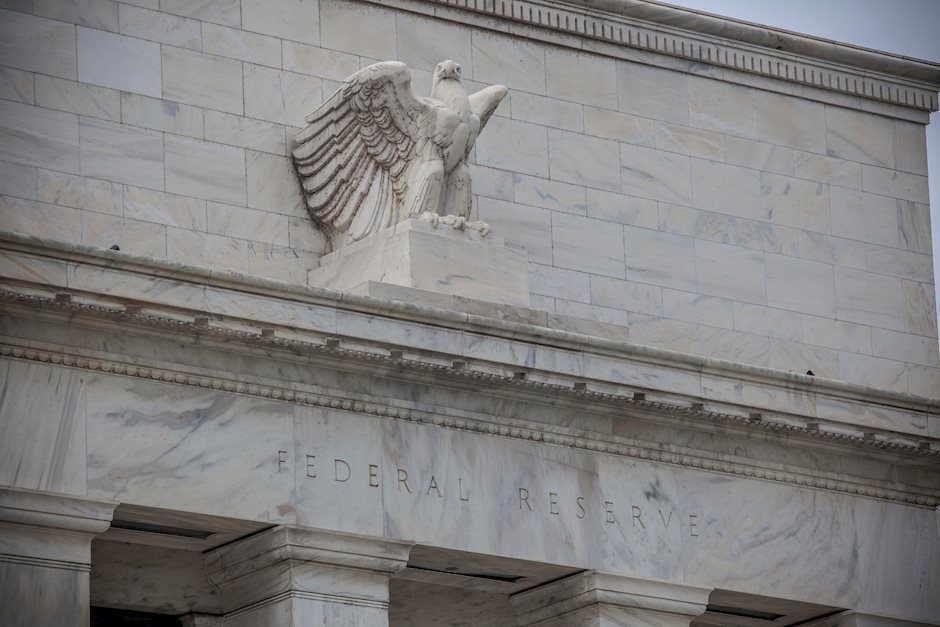
Despite mixed concerns over the reflation fears, the latest poll of 43 respondents, unveiled by Reuters, said, “The Federal Reserve will announce a plan to taper its asset purchases in September.”

The survey also mentioned that the US jobless rate would remain above its pre-pandemic level for at least a year.

Key quotes (from Reuters)

Nearly two-thirds of respondents, 28 of 43, said the Fed is likely to announce a taper of its asset purchases - currently set at $80 billion of Treasuries and $40 billion of MBS per month - at its September meeting.

None of the respondents said it would be announced at the Fed’s central banking conference in Jackson Hole, Wyoming, this month, compared with the more than one-quarter who said in a June poll that it would.

The poll concluded the Fed will start with monthly reductions of $10 billion in its purchases of Treasuries and $5 billion in those of MBS. Some responses were as high as $20 billion for both Treasuries and MBS.

U.S. inflation data for July, which was released this week, suggested to many that price pressures may have already peaked in the world’s biggest economy.

The poll showed GDP growth slowing to 4.2% in 2022 and 2.4% in 2023 despite the Senate’s passage of a $1 trillion infrastructure bill on Tuesday and the start of a debate on a separate $3.5 trillion spending blueprint. 

FX implications

The poll findings weigh on the market sentiment and underpin the US dollar’s safe-haven demand. That said, the US Dollar Index (DXY) remains firm at around 93.00 whereas the S&P 500 Futures drop 0.07% intraday by the press time.

Author

Anil Panchal

Anil Panchal

FXStreet

Anil Panchal has nearly 15 years of experience in tracking financial markets. With a keen interest in macroeconomics, Anil aptly tracks global news/updates and stays well-informed about the global financial moves and their implications.


More from Anil Panchal
Share:

Editor's Picks

EUR/USD hovers around nine-day EMA above 1.1800

EUR/USD gains ground for the second successive session, trading around 1.1820 during the Asian hours on Monday. The 14-day Relative Strength Index momentum indicator stands at 51 (neutral) after recovering above the midline, indicating stabilizing momentum. 

GBP/USD gathers strength above 1.3500 amid tariff confusion

The GBP/USD pair gains traction to around 1.3520 during the early Asian session on Monday. The US Dollar faces some selling pressure against the Cable as tariff uncertainty lingers. Traders will take more cues from the US Producer Price Index report for January, which will be published later on Friday. 

Gold climbs to fresh monthly high on trade war fears, geopolitical risks, weaker USD

Gold registered its highest-ever weekly close, above the $5,100 mark on Friday, and gains strong follow-through traction at the start of a new week. This also marks the fourth straight day of a positive move and lifts the commodity beyond the $5,150 level, or a fresh monthly peak, during the Asian session. 

Cardano braces for impact as US tariff storm brews

Cardano is down 4% at press time on Monday, entering its third consecutive day of decline. Bearish bias in Cardano’s derivatives market positional buildup aligns with rising pressure on the broader cryptocurrencymarket amid US President Donald Trump's reassessment of global tariffs and domestic conflict with the US Supreme Court. 

Liberation day take two, the tariff machine just changed gears

Let me caveat this from the outset. What we are watching is first-order mechanics, not the grand macro endgame. This is the market’s immediate reflex to a 15% Trump tariff levy dressed up as judicial drama. The Supreme Court blocked Trump tarrif hammer. The White House came back with a scalpel.

Top Crypto Losers: Zcash, Pump.fun, and LayerZero extended losses as Bitcoin loses $65,000

The cryptocurrency market starts the week in panic mode, with altcoins Zcash, Pump.fun, and LayerZero. Bitcoin falls below $65,000 as the US President Donald Trump regroups amid renewed trade policy risks.