RBA Minutes: Board noted "Significant uncertainties" on the economic outlook
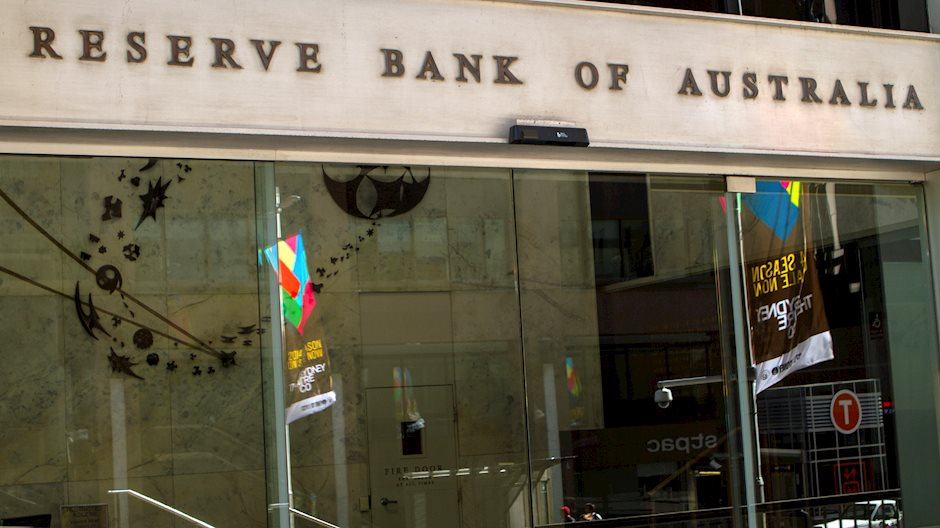

The minutes from the RBA Board’s 6 March meeting have arrived as follows, (Note: "The meeting was a day before Q4 GDP data that printed weaker than RBA expectations, which limits the value of the discussion on growth at least. Commentary on housing will also be noted with interest" - analysts at Westpac observed and explained):
- Saw scenarios where might be appropriate to eventually raise rates, or cut rates;
- Scenarios more evenly balanced than they had been last year;
- Board agreed no strong case for near-term move in rates;
- Awaiting new information to resolve tension between solid jobs market, soft gdp;
- Labour market continued to improve, unemployment seen falling to 4.75 pct;
- Slower consumption in nsw linked to drop in home prices, lower turnover in housing market;
- Slowdown in home loans mainly due to softer demand, but tighter credit played a part;
- Saw risk of "Marked slowing" in dwelling investment in one to two year's time;
- Tighter credit constraining demand for off-the-plan, project homes;
- Conditions in drought-hit farm sector to remain difficult in near term;
- AUD had been broadly steady, within narrow range of recent years;
- Trade tensions a continued source of uncertainty for world outlook.
Note: There was not much expected in the RBA minutes, with Lowe speaking post the meeting saying that he is watching the labour market for developments.
About the RBA minutes
The minutes of the Reserve Bank of Australia meetings are published two weeks after the interest rate decision. The minutes give a full account of the policy discussion, including differences of view. They also record the votes of the individual members of the Committee. Generally speaking, if the RBA is hawkish about the inflationary outlook for the economy, then the markets see a higher possibility of a rate increase, and that is positive for the AUD.
Author
Ross J Burland
FXStreet
Ross J Burland, born in England, UK, is a sportsman at heart. He played Rugby and Judo for his county, Kent and the South East of England Rugby team.