NIO Stock Price: Nio sinks after reporting Q3, September delivery figures
- NIO fell by 1.8% during Monday’s trading session.
- Nio and other EV makers report their quarterly and monthly deliveries.
- Tesla tumbles as deliveries fall short of analyst estimates.


Nio (NIO) extended its recent declines to start October despite one of the best trading days for US markets since July. On Monday, shares of NIO fell by 1.8% and closed the trading session at a price of $15.49. All three major indices soared to start the fourth quarter of what has been a miserable year for Wall Street. The relief rally came after a volatile end to September where stocks saw their biggest losses since March of 2020. Overall, the Dow Jones added 768 basis points, the S&P 500 gained 2.6%, and the NASDAQ rose higher by 2.3% during the session.
Nio stock price
Nio reported its delivery numbers for both September and the third quarter before the markets opened on Monday. For the quarter, Nio surpassed rivals XPeng (XPEV) and Li Auto (LI) in terms of total deliveries. The company reported 10,878 vehicle deliveries in September and 31,607 for the quarter. This represents a 29.3% YoY rise and a 26.1% sequential rise from the second quarter. Nio was hampered by production shutdowns earlier in the year but has since benefited from the release of new vehicles like the ET5 sedan.
Industry leader Tesla (TSLA) also reported its delivery figures, and unfortunately for shareholders they came in lower than analyst estimates. Tesla delivered 343,000 vehicles and produced 365,000 for the quarter. Analysts had estimated that deliveries would come in at around 364,660 vehicles, so the company missed by about 22,000. Shares of TSLA tumbled by 8.6% on Monday.
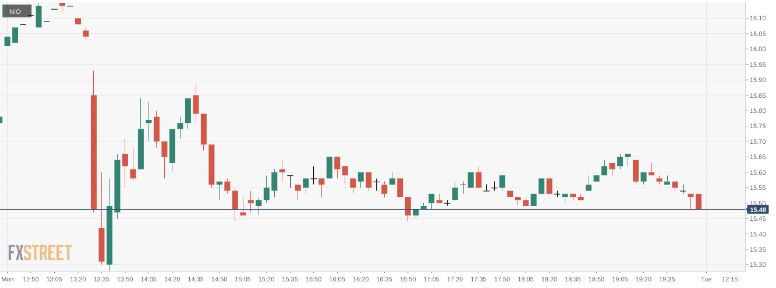
NIO 5-minute chart
Premium
You have reached your limit of 3 free articles for this month.
Start your subscription and get access to all our original articles.
Author
Clay Webster
FXStreet
Clay Webster grew up in the US outside Buffalo, New York and Lancaster, Pennsylvania. He began investing after college following the 2008 financial crisis.

















