Nikkei tumbles back below 22,000.00 as markets pull back
- Nikkei's retracement ends early following FOMC.
- Risk aversion pulling down equities across the board.
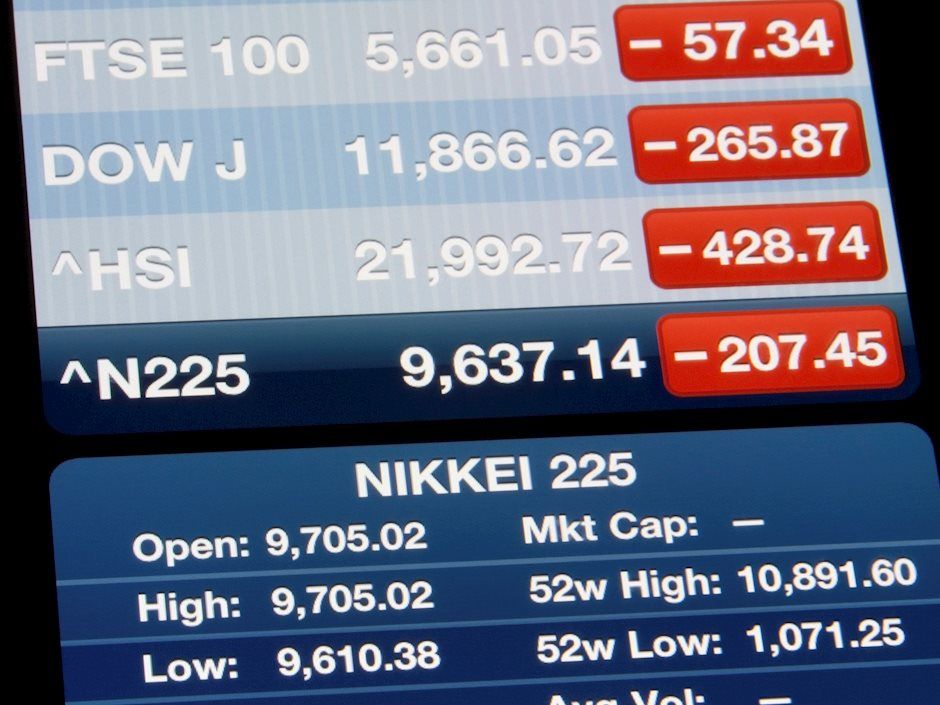

Japan's leading Nikkei 225 Index is sinking as risk aversion takes hold of the Asian markets, testing 21,640.00 as of writing. China picked a bad day to return from holidays, with Chinese institutions back in the markets to face soured risk appetite after taking the first half of the week off to celebrate Chinese New Year.
Increased growth and inflation expectations came out of Wednesday's FOMC Minutes, causing bond yields to spike to recent highs and sending the US Dollar marching up the charts as risk hopes evaporated to end the day's New York session. Equities, commodities, and risk assets are still feeling the sting, with broad markets sliding in Tokyo's Thursday trading session.
Risk aversion continues to plague Japan from two fronts: market fear pulling cash out of equities sending the Nikkei lower, and risk aversion causing traders to pile into the Yen despite constant plying from the Bank of Japan (BOJ) attempting to keep the Yen from going any higher. Recent Yen buying appeared to recede following newly-made threats from the BOJ that market intervention could be accomplished if things don't improve, but even that threat couldn't keep the Yen down for long with inflation fears sending cash dumping into the Yen once again. The Nikkei can expect to continue suffering at the hands of US growth figures, keeping any gains in the index capped as risk appetite sours on a regular basis.
Nikkei Technicals
The Nikkei began declining in late January, and the recent bounce from 20,565.00 looks set to end, with the index turning away from 22,195.00 and looking set to continue lower. Technical resistance is piling up from 22,133.00 and 22,365.00, while chart support is springing up from recent swing lows at 21,330.00 and 20,926.00.
Author
Joshua Gibson
FXStreet
Joshua joins the FXStreet team as an Economics and Finance double major from Vancouver Island University with twelve years' experience as an independent trader focusing on technical analysis.