NAB forecasts RBA to cut cash rate to 0.75% in November - NAB
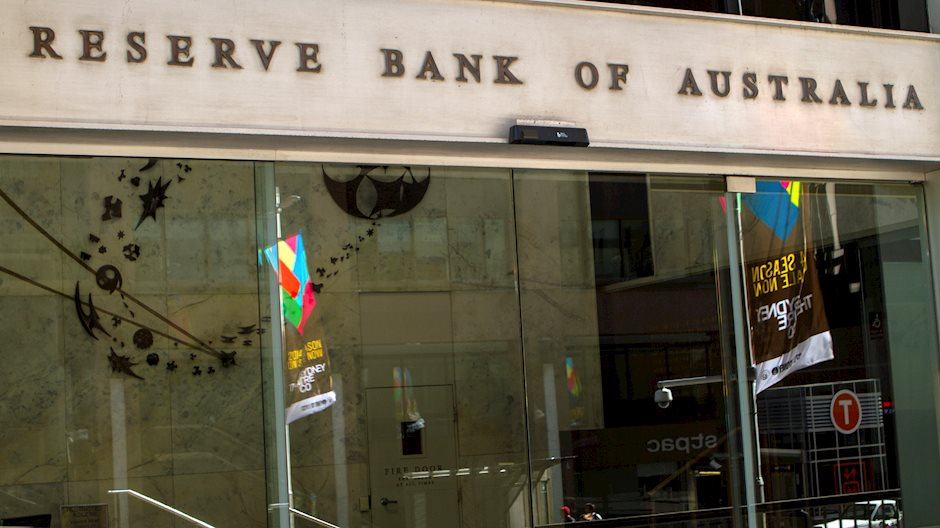

National Australia Bank forecasts RBA to cut cash rate to 0.75% in November.
Full report:
"We have changed our view on the cash rate, to include an extra cut in late 2019 – while heavily data dependent we have tentatively placed the cut in November. We also think that lower interest rates will be supported by fiscal stimulus later this year. We would not rule out the possibility of alternative monetary action in early 2020, in addition to further rate cuts, if the economy remains very subdued, but have not put it into our projections.
The forecast of a larger reduction in interest rates reflects our judgment that the economy is losing momentum and is weaker than reflected in the Reserve Bank’s recently downgraded near-term growth outlook. The loss of momentum is apparent in private demand, which has barely grown over the past year, and more timely indicators, such as the NAB business survey and internal data, which point to a weaker labour market and entrenched weakness in spending.
The Reserve Bank Board said when cutting rates earlier this month that the lower cash rate would help make further inroads into spare capacity and “achieve more assured progress towards the inflation target”, with Governor Lowe emphasising that the cut did not reflect a weaker outlook for the economy. However, the loss of momentum means that the unemployment rate is likely to rise further, reaching 5.5% next year, adding to already considerable spare capacity in the economy given the Reserve Bank now puts the NAIRU at 4.5% and possibly lower. More spare capacity will means inflation is likely to undershoot the 2-3% target band until mid-2021.
On the question of a July or August cut that is very hard – and to a large extent is less relevant for the economic outlook. On the one hand given a starting point problem (i.e. the economy is weaker than the RBA expected and continues to lose momentum) the RBA should probably get on with the cutting cycle. On the other hand, there does seem to have been a post- election boost to confidence and it is too early to assess if that has flowed into activity in any sustained way. Also back to back cuts could send a strong signal that the economy has bigger problems than we thought. On balance we have opted to stay with our August cut forecast – but would not at all be surprised by a July move. It is in short a very finely balanced judgement. And it will probably be the case that Governor Lowe will talk about the need for more action when he speaks on “The labour market and spare capacity” on 20 June.
We think action to combat the slowdown in the economy and reduce unemployment will involve a third rate cut and fiscal stimulus, with possible consideration of other options down the track if these polices fail to have much effect. This is more than the one additional rate cut embedded in the Bank’s current forecasts, but we think that the Bank’s optimism has been further challenged by weaker-than-expected Q1 GDP, likely weak Q2 GDP and the trend deterioration in the NAB business survey. We expect the Bank will be forced to change its narrative as the year progresses, downgrading its forecasts to bring them closer to our own outlook of subpar growth, rising unemployment and persistently low inflation."
Author
Ross J Burland
FXStreet
Ross J Burland, born in England, UK, is a sportsman at heart. He played Rugby and Judo for his county, Kent and the South East of England Rugby team.