|

Mid-east conflict and OPEC+ restraint hopes preventing a sharp oil correction – TDS
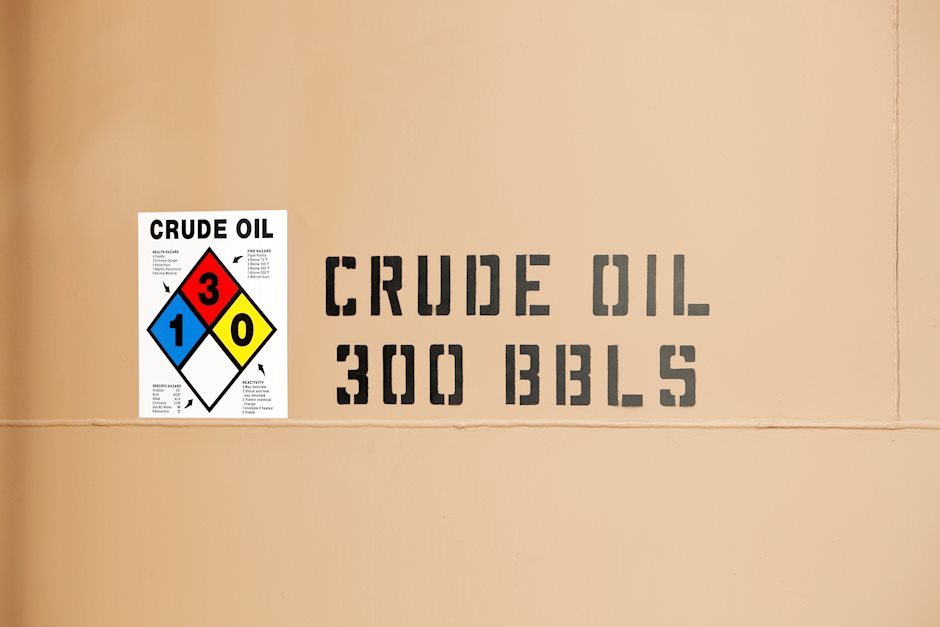
Notwithstanding concerns surrounding a wider Middle East war, which could disrupt oil flows from the region, China stimulus disappointment and OPEC+ producer plans to bring barrels back in the coming months have put the crude oil market at risk of a sharp correction. The pending surplus in early-2025, stemming from lackluster global demand and robust supply growth, may well see crude oil price trade significantly below current levels in 2025, TDS’ Head of Commodity Strategy Bart Melek notes

OPEC+ production cuts may become unnecessary

“The extension of the current OPEC+ production suppression regime, which features significant member overproduction, does not look to be sufficient to keep the market in balance next year. In the absence of the current war premium, the markets will likely need to see OPEC+ comply with production quotas and further delay the unwind of production cuts in order to prevent a drift into a $50-60/b range.”

“With non-OPEC+ production projected to jump by some 1.5m b/d and demand growing by just under one million b/d, the current inventory levels suggest that some 500k b/d of reduction from current production levels is required to preserve a rough market balance and prevent a drop lower.”

“The risk of a broader Middle East conflict, which could see oil supplies from the region disrupted as tanker traffic through the Straits of Hormuz and flows from Gulf States slow sharply, could well make OPEC+ production cuts unnecessary. Indeed, if tanker and pipeline flows from the region are interrupted due to military attacks, shortages may quickly materialize, with prices hitting triple digits for a prolonged period.”

Author

FXStreet Insights Team

The FXStreet Insights Team is a group of journalists that handpicks selected market observations published by renowned experts. The content includes notes by commercial as well as additional insights by internal and external analysts.


More from FXStreet Insights Team
Share:

Markets move fast. We move first.

Orange Juice Newsletter brings you expert driven insights - not headlines. Every day on your inbox.

By subscribing you agree to our Terms and conditions.

Editor's Picks

EUR/USD ticks lower following the release of FOMC Minutes

The US Dollar found some near-term demand following the release of the FOMC meeting minutes, with the EUR/USD pair currently piercing the 1.1750 threshold. The document showed officials are still willing to trim interest rates. Meanwhile, thinned holiday trading keeps major pairs confined to familiar levels.

GBP/USD remains sub- 1.3500, remains in the red

The GBP/USD lost traction early in the American session, maintaining the sour tone and trading around 1.3460 following the release of the FOMC meeting minutes. Trading conditions remain thin ahead of the New Year holiday, limiting the pair's volatility.

Gold stable above $4,350 as the year comes to an end

Gold price got to recover some modest ground on Tuesday, holding on to intraday gains and changing hands at $4,360 a troy ounce in the American afternoon. The bright metal showed no reaction to the release of the FOMC December meeting minutes.

Ethereum: ETH holds above $2,900 despite rising selling activity

Ethereum (ETH) held the $2,900 level despite seeing increased selling pressure over the past week. The Exchange Netflow metric showed deposits outweighed withdrawals by about 400K ETH. The high value suggests rising selling activity amid the holiday season.

Economic outlook 2026-2027 in advanced countries: Solidity test

After a year marked by global economic resilience and ending on a note of optimism, 2026 looks promising and could be a year of solid economic performance. In our baseline scenario, we expect most of the supportive factors at work in 2025 to continue to play a role in 2026.

Crypto market outlook for 2026

Year 2025 was volatile, as crypto often is.  Among positive catalysts were favourable regulatory changes in the U.S., rise of Digital Asset Treasuries (DAT), adoption of AI and tokenization of Real-World-Assets (RWA).














