Mexico: Economy to suffer a mild recession in 2017 - Wells Fargo
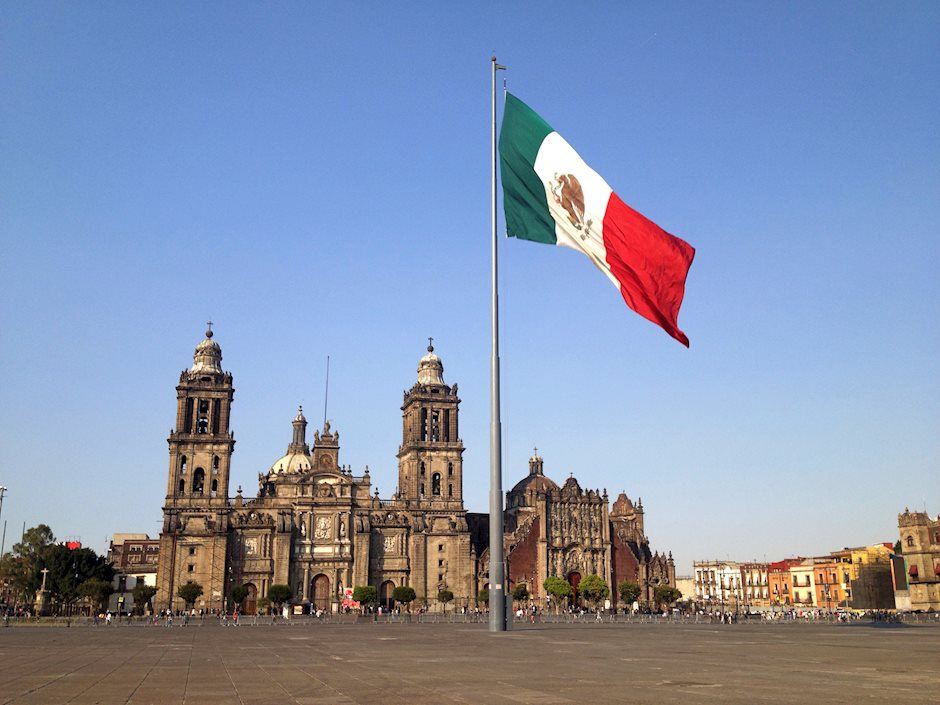

Analysts from Wells Fargo, conclude that the Mexican economy will suffer a mild recession in 2017, dropping 1.1% in real terms; affected by the US presidential election. Although they warn that Trump policies are still unknown.
Key Quotes:
“Mexico is different because President-elect Trump started his U.S. presidential campaign arguing his case to stop illegal immigration from Mexico, deport 11 million illegal immigrants from that country, build a wall to prevent Mexicans crossing north in the future and renegotiate or even end the NAFTA free trade agreement. Thus, even if only part of these promises become a reality, the effects on the Mexican economy are going to be noteworthy.”
“Although President-elect Trump’s policies toward Mexico are still highly uncertain we have tried to identify and look at the sectors of the Mexican economy that have the potential to be negatively affected.”
“We have identified several potential threats to Mexican economic growth: trade agreements and dynamics, but fundamentally foreign investment, remittances, and interest rates and inflation. Although there are some potential benefits, at least in the short to medium term, i.e., a weaker Mexican peso boosting exports, the overall expectation is that its economy will be negatively affected by the new expected policies toward Mexico by the incoming Trump administration.”
“Therefore, we have lowered our forecast for the Mexican economy and now have a mild recession with a decline in GDP of 1.1 percent in 2017 and almost a doubling in the inflation rate for the same year. Still, our forecast depends on a combination of all of these effects and will depend on how far the Trump administration is willing to go to implement his campaign promises. Having said this, because his policies against Mexico were some of the most important drivers of his presidential campaign, we believe an important component of his promises could become reality during the next year or so.”
Author
Matías Salord
FXStreet
Matías started in financial markets in 2008, after graduating in Economics. He was trained in chart analysis and then became an educator. He also studied Journalism. He started writing analyses for specialized websites before joining FXStreet.