|

How many US tariffs shall we expect? – Commerzbank
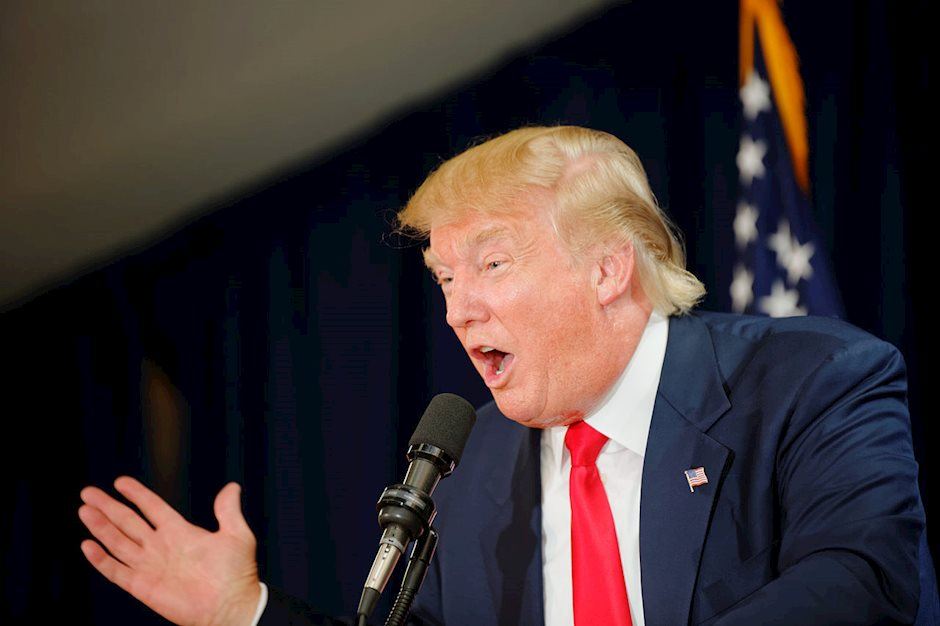
During the election campaign, Donald Trump and his supporters announced high tariffs: 60% on imports from China, 10%, 20% or more on all other imports. There is now widespread discussion about whether this will actually happen or whether it was just electioneering bluster. The threat of higher tariffs may also serve as leverage to persuade trading partners to make concessions, Commerzbank’s Head of FX Research Ulrich Leuchtmann notes.  

Trump administration to force partners to end subsidies

“Materially relevant concessions will most likely be unavoidable. What might these be? Let's take a look at the arsenal of trade policy. Above all, we find: concessions by the US trade partners to end subsidies on the production of tradable goods, and quotas (i.e. upper quantity limits) for exports to the USA.”

“If, for example, an aircraft manufacturer in Europe receives government subsidies that enable it to offer its aircraft at a lower price than a US aircraft manufacturer, US airlines can purchase aircraft at a favorable price. If the subsidies are discontinued, the US airlines will have to pay more for the acquisition of their aircraft, will have to raise ticket prices as a result, and thus contribute a little to higher US inflation.”

“In market economies, the government has to issue licenses that are acquired by companies planning to send goods to the US. I think it is clear that this is quite similar to a tariff. The only difference is that the revenues go to the government of the exporting country, not to the US government. Otherwise, the effect is the same as with US import tariffs.”

Author

FXStreet Insights Team

The FXStreet Insights Team is a group of journalists that handpicks selected market observations published by renowned experts. The content includes notes by commercial as well as additional insights by internal and external analysts.


More from FXStreet Insights Team
Share:

Editor's Picks

EUR/USD hits two-day highs near 1.1820

EUR/USD picks up pace and reaches two-day tops around 1.1820 at the end of the week. The pair’s move higher comes on the back of renewed weakness in the US Dollar amid growing talk that the Fed could deliver an interest rate cut as early as March. On the docket, the flash US Consumer Sentiment improves to 57.3 in February.

GBP/USD reclaims 1.3600 and above

GBP/USD reverses two straight days of losses, surpassing the key 1.3600 yardstick on Friday. Cable’s rebound comes as the Greenback slips away from two-week highs in response to some profit-taking mood and speculation of Fed rate cuts. In addition, hawkish comments from the BoE’s Pill are also collaborating with the quid’s improvement.

Gold climbs further, focus is back to 45,000

Gold regains upside traction and surpasses the $4,900 mark per troy ounce at the end of the week, shifting its attention to the critical $5,000 region. The move reflects a shift in risk sentiment, driving flows back towards traditional safe haven assets and supporting the yellow metal.

Crypto Today: Bitcoin, Ethereum, XRP rebound amid risk-off, $2.6 billion liquidation wave

Bitcoin edges up above $65,000 at the time of writing on Friday, as dust from the recent macro-triggered sell-off settles. The leading altcoin, Ethereum, hovers above $1,900, but resistance at $2,000 caps the upside. Meanwhile, Ripple has recorded the largest intraday jump among the three assets, up over 10% to $1.35.

Three scenarios for Japanese Yen ahead of snap election

The latest polls point to a dominant win for the ruling bloc at the upcoming Japanese snap election. The larger Sanae Takaichi’s mandate, the more investors fear faster implementation of tax cuts and spending plans. 

XRP rally extends as modest ETF inflows support recovery

Ripple is accelerating its recovery, trading above $1.36 at the time of writing on Friday, as investors adjust their positions following a turbulent week in the broader crypto market. The remittance token is up over 21% from its intraday low of $1.12.