GBP/JPY slides to three-day low, below 188.00 mark amid broadly stronger JPY
- GBP/JPY attracts sellers for the second straight day as safe-haven demand boosts the JPY.
- The divergent BoJ-BoE policy expectations exert additional downward pressure on spot prices
- A bearish USD lends some support to the GBP and might help limit further losses for the cross.
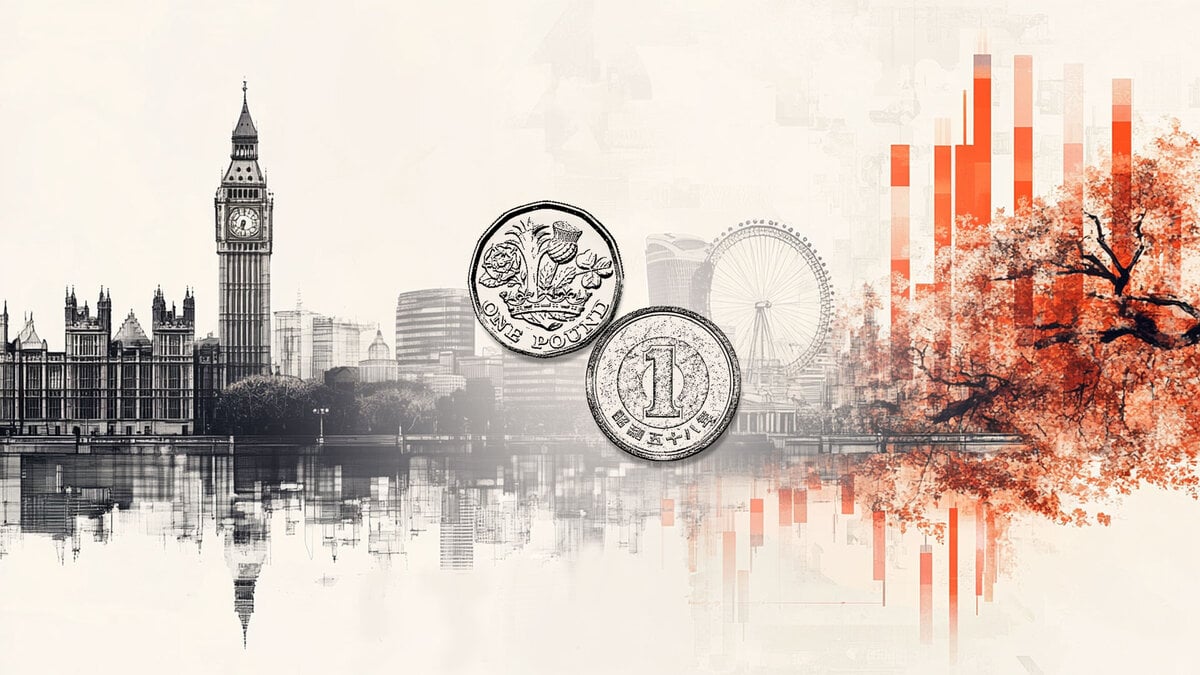

The GBP/JPY cross meets with fresh supply following an Asian session uptick to the 188.75 region and turns negative for the second consecutive day on Tuesday. Spot prices slide back below the 188.00 mark, hitting a three-day low in the last hour, and seem vulnerable to weaken further amid sustained buying around the Japanese Yen (JPY).
Investors remained on edge amid persistent uncertainties surrounding US President Donald Trump’s steep tariffs and worries that the erratic trade war would push the global economy into a recession. Adding to this hopes for a US-Japan trade deal and bets that the Bank of Japan (BoJ) will continue raising interest rates underpin the safe-haven JPY, which, in turn, is seen exerting downward pressure on the GBP/JPY cross.
The BoJ is reportedly planning to signal next week that there is almost no need to change its basic stance on raising interest rates as the potential impact of increased US tariffs will not disrupt the ongoing cycle of wage growth and inflation. This comes on top of government data released last Friday, which showed that Japan's core Consumer Price Index (CPI) accelerated in March and pointed to broadening inflation in Japan.
In contrast, traders have placed a large bet on the Bank of England (BoE) lowering interest rates amid growing concerns about the economic fallout from Trump's trade tariffs. This marks a big divergence in comparison to hawkish BoJ expectations, which supports prospects for further depreciation for the GBP/JPY cross. However, sustained USD selling lends support to the British Pound (GBP) and could help limit deeper losses.
Tariffs FAQs
Tariffs are customs duties levied on certain merchandise imports or a category of products. Tariffs are designed to help local producers and manufacturers be more competitive in the market by providing a price advantage over similar goods that can be imported. Tariffs are widely used as tools of protectionism, along with trade barriers and import quotas.
Although tariffs and taxes both generate government revenue to fund public goods and services, they have several distinctions. Tariffs are prepaid at the port of entry, while taxes are paid at the time of purchase. Taxes are imposed on individual taxpayers and businesses, while tariffs are paid by importers.
There are two schools of thought among economists regarding the usage of tariffs. While some argue that tariffs are necessary to protect domestic industries and address trade imbalances, others see them as a harmful tool that could potentially drive prices higher over the long term and lead to a damaging trade war by encouraging tit-for-tat tariffs.
During the run-up to the presidential election in November 2024, Donald Trump made it clear that he intends to use tariffs to support the US economy and American producers. In 2024, Mexico, China and Canada accounted for 42% of total US imports. In this period, Mexico stood out as the top exporter with $466.6 billion, according to the US Census Bureau. Hence, Trump wants to focus on these three nations when imposing tariffs. He also plans to use the revenue generated through tariffs to lower personal income taxes.
Author
Haresh Menghani
FXStreet
Haresh Menghani is a detail-oriented professional with 10+ years of extensive experience in analysing the global financial markets.