FOMC members: Hawks vs doves into 2017 – Westpac
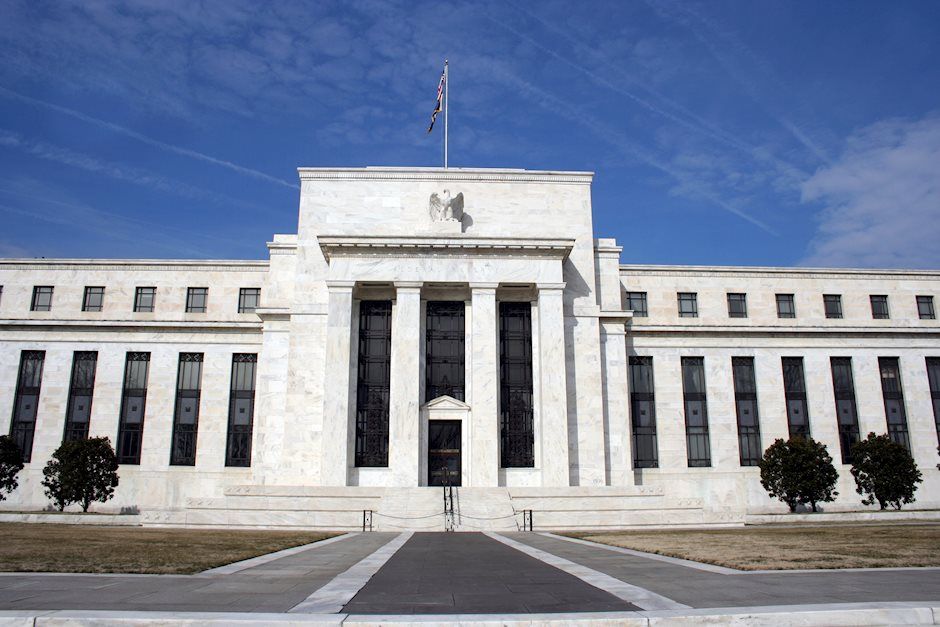

Sean Callow, Research Analyst at Westpac, suggests that there has been a changing of the guard at the FOMC over the past year, with 3 new regional Fed presidents set to vote for the first time in 2017 and the Washington DC-based Fed governors have also drawn more interest than usual.
Key Quotes
We focus heavily on the regional Fed presidents (all of whom except New York rotate), since they consistently produce the widest divergence in policy views and thus create most confusion in markets over the Fed's likely policy path. The Board of Governors has historically been very unified, rarely dissenting over policy whereas it is common for Fed presidents (almost always hawks) to dissent. A 2014 St. Louis Fed study counted only 4 dissents by governors out of the 76 dissents from 1994 to 2013. However, some differences of opinions emerged in late 2015.
Washington DC-based Board of Governors (always voters on FOMC):
Janet Yellen, Chair
Stanley Fischer, Vice Chairman of Board of Governors
Jerome Powell: Argued this month for patience on raising rates, given inflation running below target.
Lael Brainard. Brainard's experience in international finance and economics as a former Treasury official informed a key speech in Oct 2015 in which she argued the case for erring on the side of caution when raising interest rates. While she did not dissent against the Dec 2015 hike, her June 2016 speech reinforced this theme. Some pundits see Brainard being asked to be Treasury secretary if Hillary Clinton becomes president.
Daniel Tarullo. Mostly focused on financial regulation, Tarullo drew attention in Nov 2015 by arguing that the Fed is "not close" to meeting its inflation target. In July 2016, he said he wants "more convincing" evidence that inflation is moving towards 2%.
Vacant but in Jan 2015 President Obama nominated Allan Landon for the position. Landon's background is in community banking.
Vacant but in July 2015 President Obama said he would nominate Kathryn Dominguez, a professor of economics at the University of Michigan.
(Given the need for Senate confirmation, extended periods of vacancies on the Board of Governors are common. There appears to be a political standoff regarding the vacancies which seems set to extend through the 2016 election campaign).
New York Fed president (always votes): Bill Dudley (Vice Chairman of FOMC). Very much in line with Board of Governors, especially Yellen.
Voting regional presidents in 2016:
HAWK: Kansas City Fed president Esther George. George lived up to her hawkish reputation in this year's rotation, dissenting solo in favour of a rate rise at the March, April and July FOMC meetings.
CENTRIST/HAWK: Cleveland Fed president Loretta Mester. In her first FOMC voting rotation, Mester has leant somewhat hawkish in public commentary but not enough to join George in a dissenting vote. In July she said the economy is "basically at full employment" and warned of financial stability risks of low interest rates.
CENTRIST/REBEL: St. Louis Fed's James Bullard. Often draws headlines with unusual proposals and changes of outlook. As of late 2015 to early 2016 he was leaning hawkish, arguing in March that "the next rate increase may not be far off" and that "not following through on a proposed action can damage a policy maker’s credibility." But by the June FOMC meeting, Bullard refused to contribute a long term forecast to the "dot plot" and admitted that the 0.63% dots for 2017 and 2018 were his. Bullard's outlook of just one hike by 2018 is easily the most dovish at the FOMC but given his history of policy swings, we will not place him with the traditional doves yet.
DOVE: Boston Fed president Eric Rosengren. Very low profile compared to Bullard. In his 2013 voting rotation, Rosengren maintained the dovish tradition of the Boston Fed, but this year he has been right in line with the consensus view. In June, Rosengren said the economy was at full employment and there were signs of inflation moving up.
Voters at 2017 FOMC meetings:
There are three new-ish Fed presidents due to vote for the first time in 2017, none of whom have yet earned an obvious hawk or dove label. Dallas Fed president Robert Kaplan so far sounds less hawkish than his predecessor Richard Fisher. In Jan 2016 Kaplan said he expects to be a centrist in his time at the Fed. This month in a visit to China, he focused on global disinflationary forces (including from Chinese exports) and the fall in the US neutral interest rate.
Former Treasury official and PIMCO MD Neel Kashkari replaced Narayana Kocherlakota (who had been the most dovish FOMC member) as Minneapolis Fed president in Jan 2016. The Minneapolis Fed historically leans hawkish but Kashkari said this month that he doesn't see much inflationary pressure and that the Fed has "the luxury of time" in raising rates. He is the youngest Fed president and a keen Twitter user.
Philadelphia Fed president Patrick Harker looks to be tending slightly hawkish, though not to the degree of his predecessor Charles Plosser. In July, Harker said it may be appropriate to raise rates twice in 2016 and projected the funds rate to "approach" 3.0% by end-2018.
DOVE: Charles Evans, Chicago. Evans started 2016 expecting 2 rate increases in 2016, compared to the Dec 2015 FOMC median projection of 4. This month Evans said he doesn't see core PCE inflation rising above 2% until 2018, but could go along with "one rate increase this year".
Non-voters in 2016 and 2017:
HAWK: Jeffrey Lacker, Richmond. He was true to his hawkish stripes in his 2015 voting rotation, dissenting in favour of a 25bp rate rise in both Sep and Oct. In May 2016, Lacker argued for a June rate hike, which suggests he is the most hawkish current member, since George voted for no change in June (days ahead of the UK EU referendum). Lacker argued that risks to the US economy from outside have "entirely dissipated."
CENTRISTS: Dennis Lockhart, Atlanta. One of the best policy bellwethers in 2015, with his dovish turn after the CNY adjustment of Aug 2015 foreshadowing the consensus view change. In Aug 2016, he predicted a "serious discussion of a rate increase" and said "it's still conceivable we could have two rate increases this year." Looking to 2017, Lockhart saw scope for two rate increases, "possibly more."
John Williams, San Francisco. Originally somewhat dovish but since early 2013 has been right in line with the majority. Any attempt to label him a dove is outdated and misleading. In August 2016, Williams argued that "In the context of a strong domestic economy with good momentum, it makes sense to get back to a pace of gradual rate increases, preferably sooner rather than later." However, his academic work suggests that the long term federal funds rate will be lower than previously projected.”
Author
Sandeep Kanihama
FXStreet Contributor
Sandeep Kanihama is an FX Editor and Analyst with FXstreet having principally focus area on Asia and European markets with commodity, currency and equities coverage. He is stationed in the Indian capital city of Delhi.