Fed’s Kashkari: Why I supported cutting rates last week
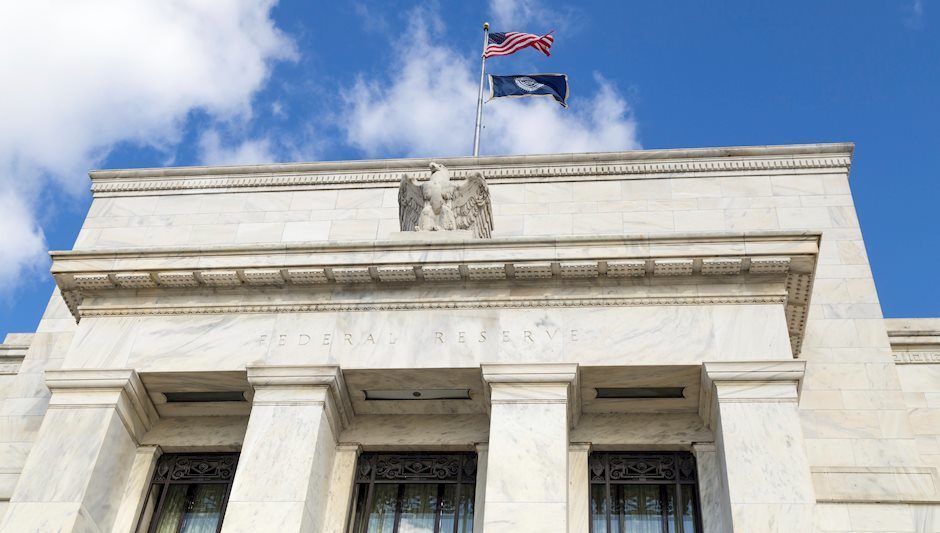

Federal Reserve (Fed) Bank of Minneapolis President Neel Kashkari published an essay in the Minneapolis Fed website on Monday, explaining why he supported the 50 basis points (bps) interest rate cut delivered by the central bank last week.
“We have made substantial progress bringing inflation back down toward our 2 percent target and the labor market has softened, the balance of risks has shifted away from higher inflation and toward the risk of a further weakening of the labor market, warranting a lower federal funds rate,” Kashkari explained.
Even further, Kashkari added: “The increase in inflation in the first quarter appears to have been a bump, not a lasting trend,” while noting that “over the past six months, the labor market has shown signs of softening from the very tight conditions of the past couple years.”
He put a pinch of salt, saying that the “economy continues to offer mixed signals about its underlying strength. While a softening labor market suggests a weakening of economic activity, other economic measures suggest ongoing strength. For example, GDP and consumer spending continue to show surprising resilience, suggesting still-solid underlying demand.”
Finally, and about what’s next, Kashkari said: “ I have slowly increased my estimate of the longer-run federal funds rate as we have continued to be surprised by the economy’s resilience despite high policy rates, a combination that suggests the neutral rate may have climbed at least temporarily. The longer this economic resilience continues, the more signal I take that the temporary elevation of the neutral rate might in fact be more structural.”
Market reaction
These comments don't seem to be having a significant impact on the US Dollar's (USD) valuation. At the time of the release, the USD index was down for the day, just below the 101.00 level.
Author
Valeria Bednarik
FXStreet
Valeria Bednarik was born and lives in Buenos Aires, Argentina. Her passion for math and numbers pushed her into studying economics in her younger years.