Fed sent two strong messages - Nomura
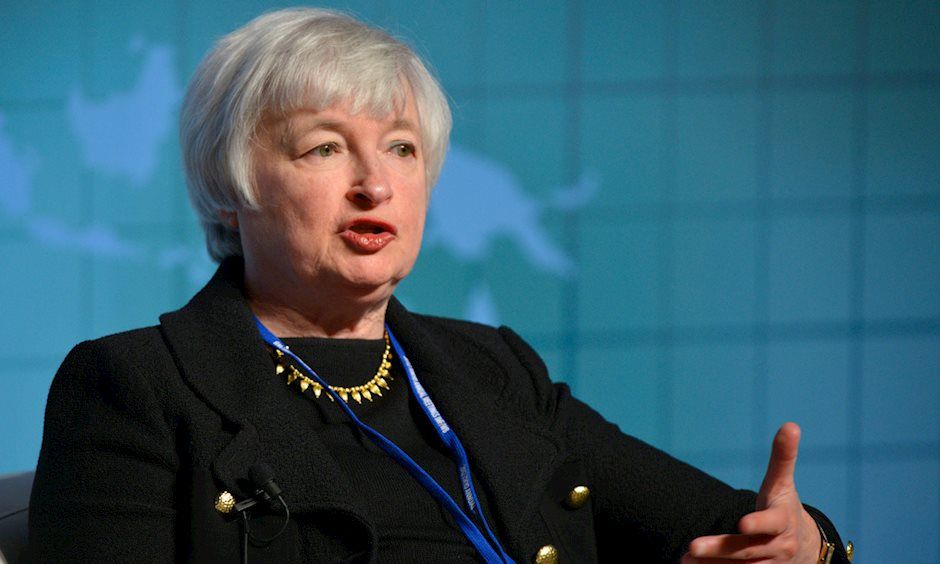

As expected, the FOMC raised its targets for short-term interest rates and analysts at Nomura explained that beyond that widely expected decision, the FOMC and Chair Yellen sent two strong messages.
Key Quotes:
"First, they signaled that they are moving rapidly to implement their balance sheet “normalization” program. It now seems very likely that they will take the decision in September, with implementation to begin in October. The FOMC released the “Addendum to the Policy Normalization Principles and Plans,” which revealed specific caps for the monthly maximum roll-off for Treasury and Agency MBS securities. The caps for Treasuries will start at $6bn and increase by $6bn every three months until the cap reaches $30bn.
For MBS securities, the cap will start at $4bn, and rise by $4bn every three months until it reaches a maximum of $20bn. Those caps will allow the Federal Reserve’s holdings of Treasury notes and bonds and Agency mortgage-backed securities to gradually decline as the securities mature. After about five years the Federal Reserve’s portfolio will return to a “normal” level. In the coming years, private investors will come to hold substantially more duration and interest rate risk.
In addition, banks will have to adjust as the supply of Federal Reserve deposits declines. The most direct effect of this major shift in the supply of high-quality fixed income assets is a likely increase in the expected return to holding duration. That is, term premia in US interest rate markets are likely to rise substantially. But the FOMC’s balance sheet is likely to shrink relatively slowly. Consequently, the upward pressure in term premia will build over time. The caps that the FOMC has announced will allow the duration of the Federal Reserve’s holding to decline in a relatively steady way. The Federal Reserve staff’s analysis suggests that the expected path of the duration held by the FOMC determines how the FOMC’s decision on balance sheet affects term premia."
Author
Ross J Burland
FXStreet
Ross J Burland, born in England, UK, is a sportsman at heart. He played Rugby and Judo for his county, Kent and the South East of England Rugby team.