|

Fed: “Normalizing” the balance sheet - Nomura
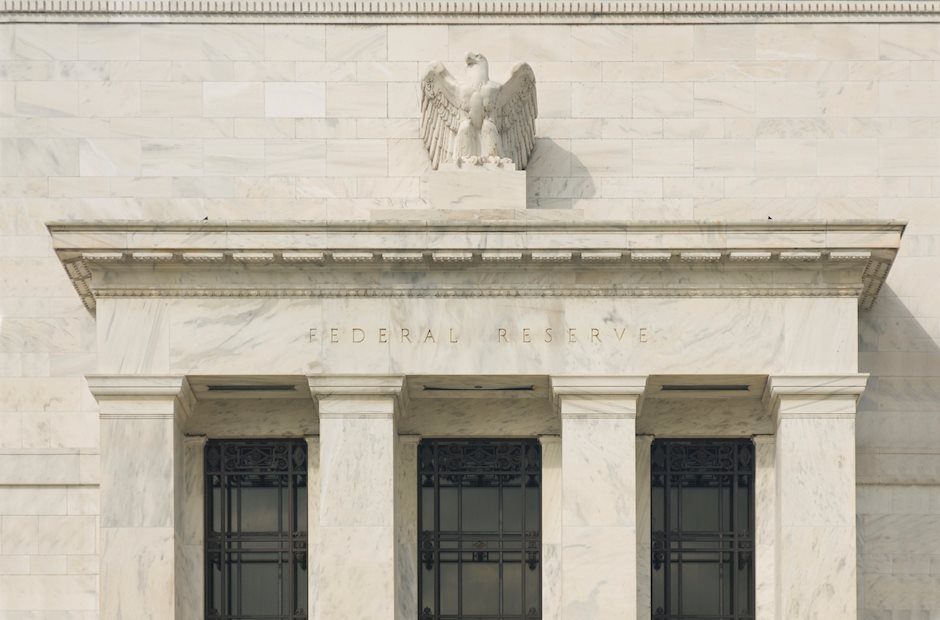
When the Federal Reserve began its large scale asset purchases in late 2008 they set a course without knowing where it would take them and they did not know that emergency asset purchases in the midst of a historic financial crisis would extend into a means of providing monetary stimulus once the financial stress had dissipated, explains the analysis team at Nomura.

Key Quotes

“They did not know that it would take almost nine years just to start the process of unwinding those policies. They did not know that paying interest on an elevated level of reserves would not be able to provide a floor for short-term interest rates. They did not know how financial regulations would change and how those changes would affect how monetary policy works. Most importantly, they did not know how their policies would affect financial markets and ultimately the economy, particularly beyond the immediate future.” 

“In many ways, the FOMC is about to do this again. The FOMC has laid out its plans for how the process of balance sheet adjustment will begin, and how it will proceed in its initial stages. However, after the FOMC meeting in June, Chair Yellen said quite explicitly that they expect to begin the process of reducing their balance sheet without knowing where the process will end. Given the breadth of issues at stake and the inherent uncertainties, that may be all the FOMC can do. After all, the policymakers that complete the process of normalizing the Federal Reserve’s balance sheet will not be the ones who started the process.” 

Author

Sandeep Kanihama

Sandeep Kanihama

FXStreet Contributor

Sandeep Kanihama is an FX Editor and Analyst with FXstreet having principally focus area on Asia and European markets with commodity, currency and equities coverage. He is stationed in the Indian capital city of Delhi.


More from Sandeep Kanihama
Share:

Editor's Picks

EUR/USD hits two-day highs near 1.1820

EUR/USD picks up pace and reaches two-day tops around 1.1820 at the end of the week. The pair’s move higher comes on the back of renewed weakness in the US Dollar amid growing talk that the Fed could deliver an interest rate cut as early as March. On the docket, the flash US Consumer Sentiment improves to 57.3 in February.

GBP/USD reclaims 1.3600 and above

GBP/USD reverses two straight days of losses, surpassing the key 1.3600 yardstick on Friday. Cable’s rebound comes as the Greenback slips away from two-week highs in response to some profit-taking mood and speculation of Fed rate cuts. In addition, hawkish comments from the BoE’s Pill are also collaborating with the quid’s improvement.

Gold climbs further, focus is back to 45,000

Gold regains upside traction and surpasses the $4,900 mark per troy ounce at the end of the week, shifting its attention to the critical $5,000 region. The move reflects a shift in risk sentiment, driving flows back towards traditional safe haven assets and supporting the yellow metal.

Crypto Today: Bitcoin, Ethereum, XRP rebound amid risk-off, $2.6 billion liquidation wave

Bitcoin edges up above $65,000 at the time of writing on Friday, as dust from the recent macro-triggered sell-off settles. The leading altcoin, Ethereum, hovers above $1,900, but resistance at $2,000 caps the upside. Meanwhile, Ripple has recorded the largest intraday jump among the three assets, up over 10% to $1.35.

Three scenarios for Japanese Yen ahead of snap election

The latest polls point to a dominant win for the ruling bloc at the upcoming Japanese snap election. The larger Sanae Takaichi’s mandate, the more investors fear faster implementation of tax cuts and spending plans. 

XRP rally extends as modest ETF inflows support recovery

Ripple is accelerating its recovery, trading above $1.36 at the time of writing on Friday, as investors adjust their positions following a turbulent week in the broader crypto market. The remittance token is up over 21% from its intraday low of $1.12.















