EUR/USD prods 16-month high past 1.1200 on broad US Dollar weakness, EU/US data eyed
- EUR/USD seesaws at the highest level since March 2022, stabilizing after six-day uptrend.
- US Dollar slumps as US inflation clues suggest limited room for the Fed to lift interest rates past July.
- Mixed EU data at home, unimpressive ECB talks fail to probe Euro buyers.
- EC economic forecasts, US Michigan Consumer Sentiment Index, inflation expectations in focus for clear directions.
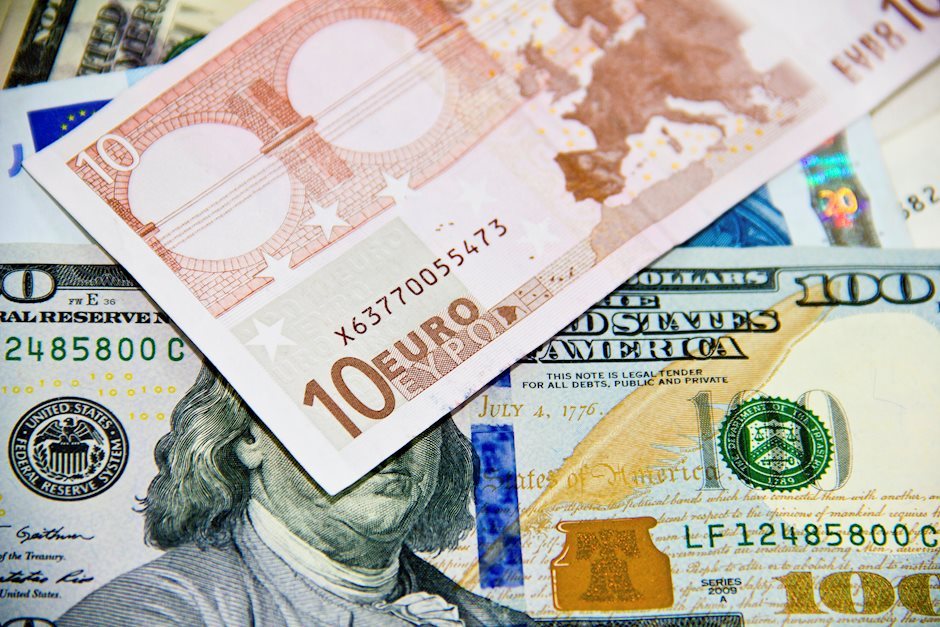

EUR/USD bulls take a breather at the highest levels in 16 months, bracing for the biggest weekly gain since November 2022, as it makes rounds to 1.1225-30 amid early Friday morning in Asia. In doing so, the Euro pair cheers the broad-based US Dollar weakness amid concerns that the Federal Reserve has limited scope to increase the interest rates past July. Additionally, downbeat US Treasury bond yields and hawkish clues from the European Central Bank (ECB) officials also propel the major currency pair.
US Dollar Index (DXY) dropped to the lowest level since April 2022 the previous day, down 2.45% on a week so far, as downbeat inflation clues from the US push back the Federal Reserve (Fed) hawks.
On Thursday, US Producer Price Index (PPI) came in as 0.1% YoY for June, versus 0.4% expected and 0.9% prior while the PPI ex Food & Energy, also known as the Core PPI, eased to 2.4% YoY from 2.8% previous reading and 2.6% market forecasts.
Earlier in the week, the US Consumer Price Index (CPI) registered a 3.0% YoY figure for June versus 3.1% market forecasts and 4.0% reported for May. Further details suggest that the CPI ex Food & Energy, also known as the Core CPI, softened to 4.8% yearly for the said month compared to analysts’ estimations of 5.0% and 5.3% previous readings.
That said, the US Weekly Initial Jobless Claims declined to 237K for the week ended on July 07, from 250K expected and 249K prior (revised).
Following the disappointing inflation data, the market’s expectations of the Fed rate hike past July have sharply deteriorated.
On the other hand, Eurozone Industrial Production eased to 0.2% MoM for May on a seasonally adjusted basis versus 0.3% market forecasts and 1.0% previous readings.
It should be noted, however, that the European Central Bank’s (ECB) June policy meeting revealed on Thursday that minimum of two successive rate hikes needed for inflation projections to materialize.
Alternatively, ECB Governing Council member Ignazio Visco said during an interview with Italy's Sky TG24 news channel, “We are not very far' from peak in interest rates.”
Against this backdrop, Wall Street cheers risk-on mood while the US 10-year and two-year Treasury bond yields plummet.
While the dovish Fed concerns propel the EUR/USD pair, today’s European Commission (EC) Economic Forecasts and trade numbers may direct the traders ahead of the preliminary readings of July’s Michigan Consumer Sentiment Index, as well as the Five-Year Consumer Inflation Expectations. Should the final clues of the US inflation appear downbeat, the Euro may easily aim for the previous yearly high of around 1.1500.
Technical analysis
A daily closing beyond an ascending resistance line stretched from May 2022, around 1.1190 by the press time, keeps EUR/USD bulls hopeful of visiting the 1.1300 round figure.
Author
Anil Panchal
FXStreet
Anil Panchal has nearly 15 years of experience in tracking financial markets. With a keen interest in macroeconomics, Anil aptly tracks global news/updates and stays well-informed about the global financial moves and their implications.

















