|

BoJ’s Kuroda: Will need to consider further easing if necessary
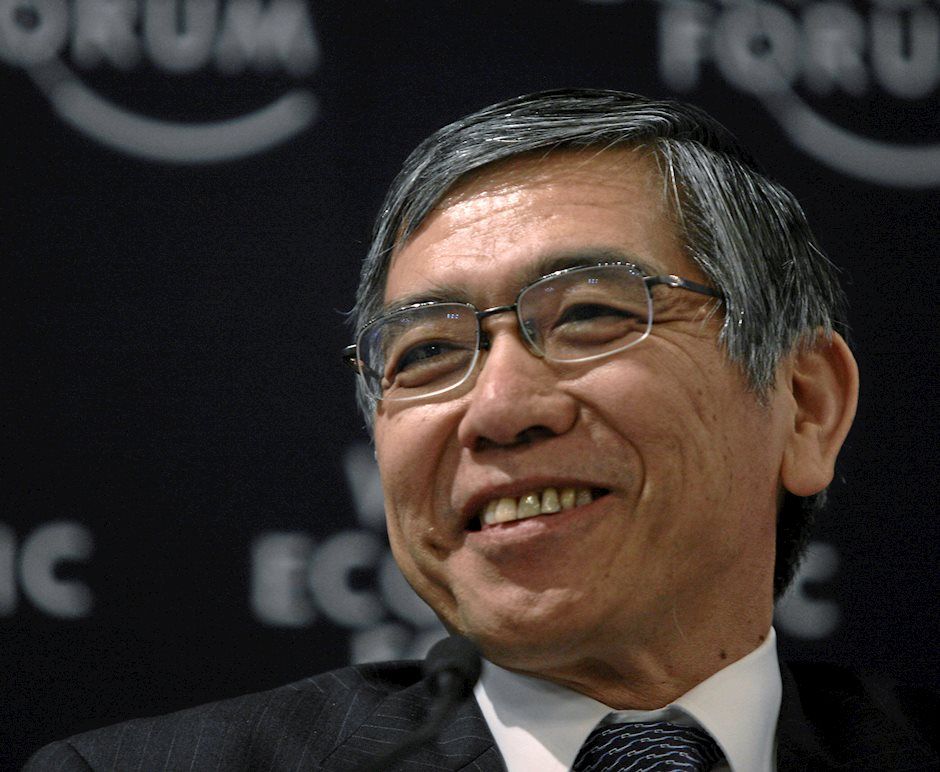
More comments flowing in from the BoJ Governor Kuroda, via Reuters, as he continues to speak on the inflation and employment outlook.

Key Points:

It has become clear it will take some time to change public inflation expectations.

Markets have been volatile since the start of the year, close coordination with overseas policymakers is important.

Abenomics is necessary and is the appropriate mix of economic policies to defeat deflation.

Not sure if the jobless rate will continue at that level.

Japan is out of the deflationary situation.

But have yet to declare exit from deflation just yet.

As with other central banks, BOJ believes achieving 2% inflation target is key to achieving price stability.

It will take time to change the deeply rooted deflationary mindset

That mindset is a reason why prices are not rising strongly

Prices remain weak but is maintaining momentum towards 2% inflation target

2.4% unemployment rate was 'a little surprising'.

Will adjust policy if needed, while scrutinizing whether economy maintaining momentum to hitting target.

Will need to consider further easing if necessary.

Inflation is likely to reach 2% around fiscal year 2019.

Not saying that the BOJ will never change its yield targets.

Inappropriate to talk about stimulus exit now given the distance to the 2% price target.

Will communicate exit with the market when the time is right.

Will maintain the current policy for now as the momentum is good.

Author

Dhwani Mehta

Dhwani Mehta

FXStreet

Residing in Mumbai (India), Dhwani is a Senior Analyst and Manager of the Asian session at FXStreet. She has over 10 years of experience in analyzing and covering the global financial markets, with specialization in Forex and commodities markets.


More from Dhwani Mehta
Share:

Editor's Picks

EUR/USD: US Dollar to remain pressured until uncertainty fog dissipates

Unimpressive European Central Bank left monetary policy unchanged for the fifth consecutive meeting. The United States first-tier employment and inflation data is scheduled for the second week of February. EUR/USD battles to remain afloat above 1.1800, sellers moving to the sidelines.

GBP/USD softens to near 1.3600 as BoE hints further rate cuts

The GBP/USD pair loses ground to near 1.3610 during the early Asian session on Monday. The Pound Sterling softens against the Greenback amid growing expectations of the Bank of England’s interest-rate cut. Traders will take more cues from the Fedspeak later on Monday.

Gold eyes acceptance above $5,000, kicking off a big week

Gold is consolidating the latest uptick at around the $5,000 mark, with buyers gathering pace for a sustained uptrend as a critical week kicks off. All eyes remain on the delayed Nonfarm Payrolls and Consumer Price Index data from the United States due on Wednesday and Friday, respectively.

Top Crypto Gainers: Aster, Decred, and Kaspa rise as selling pressure wanes

Altcoins such as Aster, Decred, and Kaspa are leading the broader cryptocurrency market recovery over the last 24 hours, as Bitcoin holds above $70,000 on Monday, up from the $60,000 dip on Thursday.

Weekly column: Saturn-Neptune and the end of the Dollar’s 15-year bull cycle

Tariffs are not only inflationary for a nation but also risk undermining the trust and credibility that go hand in hand with the responsibility of being the leading nation in the free world and controlling the world’s reserve currency.

Bitcoin, Ethereum and Ripple consolidate after massive sell-off

Bitcoin, Ethereum, and Ripple prices consolidated on Monday after correcting by nearly 9%, 8%, and 10% in the previous week, respectively. BTC is hovering around $70,000, while ETH and XRP are facing rejection at key levels. Traders should be cautious: despite recent stabilization, upside recovery for these top three cryptocurrencies is capped as the broader trend remains bearish.