BoE Preview: Forecasts from eight major banks, keeping rates restrictive and cut pushback
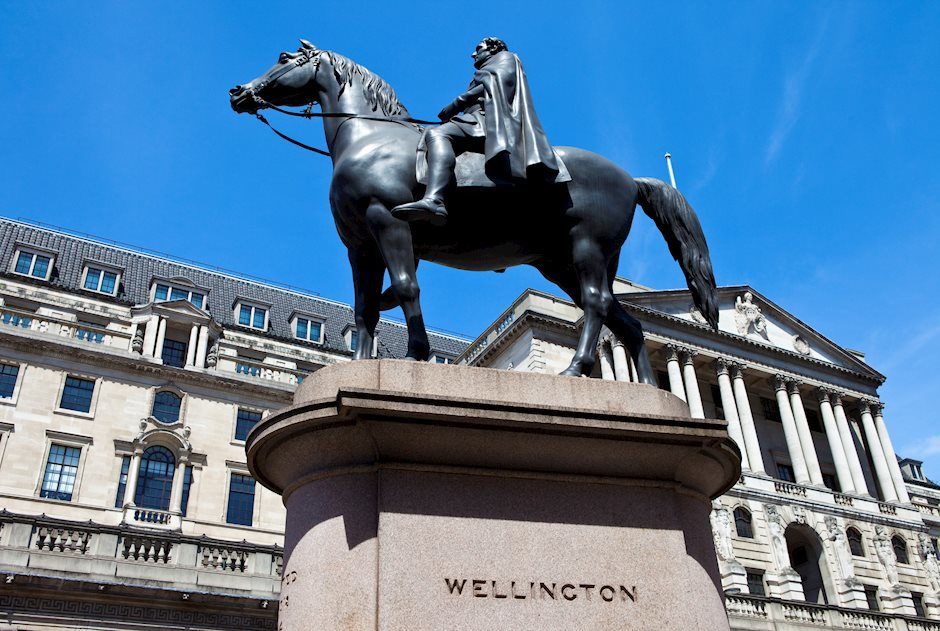

The Bank of England (BoE) will announce its Interest Rate Decision on Thursday, December 14 at 12:00 GMT and as we get closer to the release time, here are the expectations forecast by the economists and researchers of eight major banks.
The BoE is set to keep the benchmark rate unchanged for a third consecutive meeting at 5.25%. The “Old Lady” is also likely to push back against market easing expectations.
Deutsche Bank
We expect a hold, with the Bank Rate staying at 5.25%, and see some caution from the Bank around the inflation outlook, coupled with little changes to the forward guidance.
Rabobank
We expect the BoE to keep rates on hold at 5.25% for a third consecutive time. A hawkish vote split could signal MPC unease with current market pricing. Having been so unlucky with inflation in 2021/22, we think the MPC will remain wedded to a 'higher-for-longer' strategy until it becomes painfully obvious that this isn’t tenable. Labour is still a seller’s market. It will take time before the labour market weakening we anticipate becomes painful enough to fully uproot inflation. Even as we see a 5.25% policy rate as unsustainably high for the UK economy, we only expect to see the first cut in November 2024.
TDS
Soft inflation data coupled with signs of deteriorating household demand should deliver another hold from the MPC. The vote will likely be 6-3, with three hawkish dissenters and the tone will likely remain virtually unchanged relative to November.
SocGen
The data since the previous meeting likely won’t sway MPC members to change their vote from the November meeting. If anything, the still-strong persistent inflation elements, namely services inflation and wage growth, and improving forward-looking growth indicators may reinforce the more hawkish members’ views. Still, looking past the year-over-year growth rates in the key data, we believe the monthly increases are consistent with inflation falling to within touching distance of 2% in April 2024. Coupled with sluggish economic growth, this should allow the Bank to start cutting rates in May.
ING
Markets are pricing three rate cuts in 2024 and we doubt the Bank will be too happy about that. Expect policymakers to reiterate that rates need to stay restrictive for some time. But with services inflation coming down and wage growth set to follow suit, we think investors are right to be thinking about a summer rate cut. We expect 100 bps of cuts next year.
Wells Fargo
Our forecast is for the BoE to keep its policy rate at 5.25%. The BoE recently received some good news in the form of the October CPI report. The BoE might once again signal that monetary policy ‘will need to be sufficiently restrictive for sufficiently long to return inflation to the 2% target sustainably in the medium term.’
Citi
The de-coupling of BoE vs ECB/Fed, pricing a full 25 bps cut by mid-2024 (well after the ECB/Fed pricing) has been a source of Sterling strength. The reason for the delayed rate cut expectations is the recent fiscal easing into 2024 in the Autumn Statement and BoE will likely have to play catch-up next year. The tone of the BoE statement therefore will be of keen interest to markets.
BMO
The last two decisions to hold steady at a 15-year high of 5.25% were narrowly made, first by a vote of 5-4, then by a vote of 6-3. But the three remaining hawks are not backing down easily. Since the November 2 meeting, there was more evidence that the labour market was loosening up, inflation hit a 2-year low of 4.6%, and core CPI slowed to a 20-month low of 5.7%. Wage growth is cooling as well, but at 7.7% YoY is still too hot for comfort and still very close to record highs of 7.9%. With £18 bln – or 0.7% of GDP – worth of fiscal stimulus coming next year (as outlined by the Autumn Statement), and the latest PMIs showing a 7-month high for manufacturing, and a 4-month high for services activity, it will be far too soon to discuss rate cuts. Expect the MPR to play down that prospect.
Author
FXStreet Insights Team
FXStreet
The FXStreet Insights Team is a group of journalists that handpicks selected market observations published by renowned experts. The content includes notes by commercial as well as additional insights by internal and external analysts.