|

BoE must raise rates to 2.5% next year to curb inflation, says think-tank – FT
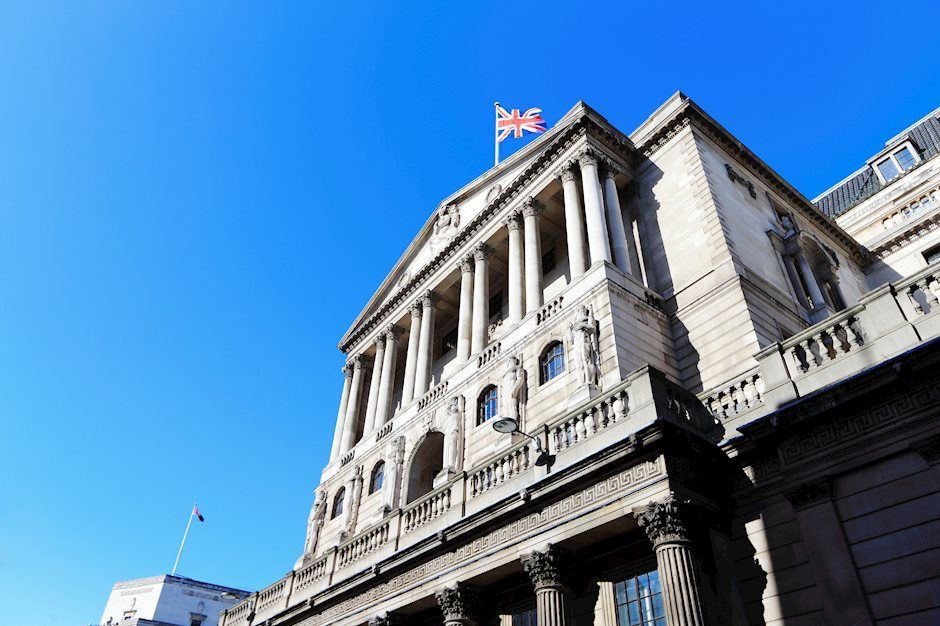
Early Wednesday morning in Asia, the UK’s think tank National Institute of Economic and Social Research (NIESR) crossed wires via the Financial Times (FT) by saying, “The Bank of England will need to raise interest rates to 2.5% and keep them there until the middle of the decade in order to bring soaring inflation under control.”

The news also quotes NIESR Deputy Director Stephen Millard saying that the BoE could be overestimating how far demand headwinds will curb inflation.

Additional quotes

We expect inflation to come down fairly quickly, and so do the bank, but on higher interest rates than are in the BoE forecasts.

Despite the projection that higher rates would be necessary to contain inflation, NIESR said the central bank would have to navigate carefully the ‘treacherous waters’ caused by a tension between ‘allowing inflation expectations to anchor and . . . plunging the economy into a deep recession’.

Since we closed the forecast we had results which indicate that consumer confidence has plummeted quite a bit. This might be associated with a rise in ‘precautionary saving’ which could mean that ‘consumption isn’t going to be as strong as we predict’.

While we expect consumption to grow overall due to households using their pandemic savings, aggregates can hide what’s happening at the disaggregate level.

GBP/USD remains pressured

GBP/USD stays directed towards the yearly low surrounding 1.2260 following the news, on the back foot around 1.2315 by the press time.

Read: GBP/USD steadies around 1.2300 as investors await US CPI, Brexit NIP jitters

Author

Anil Panchal

Anil Panchal

FXStreet

Anil Panchal has nearly 15 years of experience in tracking financial markets. With a keen interest in macroeconomics, Anil aptly tracks global news/updates and stays well-informed about the global financial moves and their implications.


More from Anil Panchal
Share:

Editor's Picks

EUR/USD looks to regain the 200-day SMA

EUR/USD regains some balance and trade just above 1.1600 the figure ahead of the opening bell in Asia. The pair initially dipped to the 1.1530 zone for the first time since November, always following the stronger US Dollar and the marked flight-to-safety in the context of the ongoing Middle East crisis
 

GBP/USD slips below key averages as geopolitical risks mount

GBP/USD fell about 0.35% on Tuesday, settling around 1.3350 after slipping below the 200-day Exponential Moving Average for the first time since early December. The pair has pulled back sharply from its late-January high near 1.3870, shedding over 500 pips in a series of lower highs and lower lows. 

Gold moves closer to $5,150 amid sustained safe-haven flows

Gold climbs back above $5,100 during the Asian session on Wednesday, moving away from an over one-week low, touched the previous day. Sustained safe-haven flow, amid escalating geopolitical tensions in the Middle East, acts as a tailwind for the bullion. However, a bullish US Dollar and reduced bets for more aggressive easing by the US Fed might keep a lid on the non-yielding yellow metal ahead of the US ADP report and ISM Services PMI later today.

Ethereum: Whales step up buying as short positions contract

After holding firm heading into the last weekend, Ethereum whales have returned to action, pouncing on the volatility stemming from escalating military actions between the US and Iran.

Energy shock 2.0: Why rising Gas prices could hit the Euro

Even without a confirmed, sustained disruption, the mere risk to a key global energy chokepoint is enough to inject a significant premium into European Gas markets. And for the Euro, that matters.

Ripple falters amid sell-off jitters and negative funding rates

Ripple (XRP) has come under pressure, drifting lower to $1.35 at the time of writing on Tuesday. The over 2% correction looks poised to erase the previous day’s gains, which lifted the remittance token to $1.42.