RBA Assistant Governor Economic Luci Ellis: Progress on unemployment will be slower
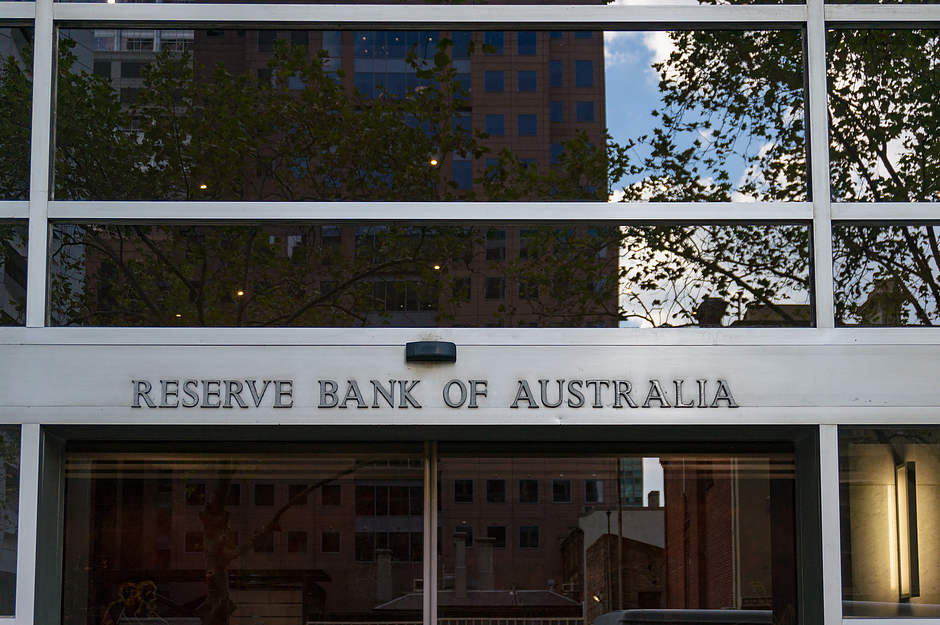

Assistant Governor Economic Luci Ellis's is speaking via an ABE webinar and has stated that Australia's economic recovery will be slower than hoped.
he expresses that unemployment will stay high for several years even though the contraction driven by the COVID-19 pandemic has been less severe than forecast.
he adds that a surge in the number of coronavirus cases in Australia's second-most populous state of Victoria since June has worsened the country's broader economic outlook.
"We now think that even though the initial contraction was smaller, the subsequent recovery is likely to be more protracted and progress on reducing unemployment will be slower," Ellis said in a speech titled "The Economic Outlook".
"The recovery is expected to be slow and uneven, and GDP will probably take several years to return to the trend path expected prior to the virus outbreak."
But it is now facing its deepest contraction in about a century, with the RBA's baseline scenario showing output would fall by 6% over 2020 - an "enormous shock" to the labour market, Ellis said.
"We expect that employment and total hours worked will decline over the next few months, partly because of the increased activity restrictions in Victoria,"
Ellis said.
Victoria has recorded 451 new coronavirus cases
Meanwhile, Victoria's capital of Melbourne entered a six-week total lockdown on Thursday, as the Federal Treasurer reveals nearly half the state’s private-sector workers will be on JobKeeper this lockdown.
AUD is accepted by RBA at these levels
In recent trade, the Reserve Bank of Australia is releasing the full detail of its updated forecasts in the August Statement on Monetary Policy.
This follows Tuesday's statement, whereby the Governor, Phillip Lowe, revealed that the forecast of -6%yr contraction by end 2020 has not changed, though they trimmed 2021 growth slightly, to +5%.
Markets were looking to the assessment of the risks ahead, especially with respect to the forever higher Aussie dollar.
With that respect...
RBA says,
the Australian dollar is now in a range that is bro
Author
Ross J Burland
FXStreet
Ross J Burland, born in England, UK, is a sportsman at heart. He played Rugby and Judo for his county, Kent and the South East of England Rugby team.