
Effective communication is essential in today’s diverse world. As ambitious individuals aiming to connect across various communities, businesses, and countries, managing gender inclusivity is crucial—even if you haven’t dealt with it before or believe it to be politicized. With gender dynamics and ESG (Environmental, Social, and Governance) regulations becoming more standardized, choosing the right language can significantly impact how your messages are received. Here’s how to communicate effectively without offending anyone.
Embrace gender-neutral language
Using gender-neutral terms can help create an inclusive environment. Instead of referring to groups as "ladies" or "girls," opt for terms like "everyone," "team," or "folks." For example, instead of saying “Ladies and gentlemen,” try “Welcome, everyone!” This approach avoids gender-specific language and fosters a sense of belonging for all individuals present. I caught myself calling a group of mostly women “guys” because I thought this was the norm. Let’s be honest: while there may be no bad intention behind it, we should also be sensitive and accurate, improving how we address groups.
Gender-neutral language extends to job titles and roles as well. Instead of using “manpower,” say “workforce” or “staff.” In emails, instead of addressing someone as “Mr.” or “Ms.,” consider using their full name or just “Team Member.” These small adjustments can create a more inclusive atmosphere, empowering everyone towards greater confidence and ultimately leading to better performance and higher revenues.
Be mindful of context
Understanding your audience, reading the room systematically, is key to effective communication. In professional settings, using terms like "colleagues" or "team members" ensures you address individuals respectfully and inclusively, making everyone feel part of the team. In social situations, consider using "friends," "crew," or even “family” to encompass everyone without making assumptions about gender.
When communicating in international contexts, be especially aware of cultural differences in language and titles. Some cultures may have specific terms of respect that should be honored, while others may prefer less formal language. Researching your audience beforehand can prevent miscommunication. For instance, I grew up in Italy, where physical contact and handshakes are common and expected. Having worked globally and considering the mental health challenges caused by COVID-19, I am now more nuanced and aware that not everyone needs a handshake or a nod. And when someone does not respond to my hand shake, I smile, and walk away standing tall.
Use plural forms wisely
When addressing mixed-gender groups, use plural forms that don’t specify gender. Instead of saying “he” or “she,” use “they” as a singular pronoun when gender is unknown. For instance, you might say, “If someone has a question, they can raise their hand.” This practice eliminates bias and reinforces an inclusive mindset. It’s important to normalize this usage; while it may feel awkward at first, the more you practice, the more natural it will become. Encourage those around you to adopt this approach as well, and you will see an almost immediate increase in trust among these individuals.
Focus on roles, not genders
In business, emphasize roles and contributions instead of gender. For example, instead of saying “the ladies in the marketing team,” refer to “the marketing team” or “the individuals in marketing.” This focus on roles highlights the skills and expertise of each person without unnecessary emphasis on gender. When discussing accomplishments or contributions, frame your language around the impact made by individuals rather than their gender. This approach fosters an environment where everyone feels valued for their contributions.
Foster open dialogue
Encourage conversations about language and inclusivity in your workplace or community. Create an environment where individuals feel comfortable discussing their preferences addressing also challenging issues. Asking for feedback on your communication style not only improves your approach but also shows that you value others' perspectives and foster trust and team building. Organize workshops or discussions focused on inclusive and respectful language. These forums can provide valuable insights and help everyone learn together, fostering a sense of community and shared goals.
Use "you all" or "y’all"
In informal settings, terms like “you all” or the Southern U.S. colloquialism “y’all” can create a friendly and inclusive atmosphere. These expressions can help build rapport and make everyone feel included in the conversation. Using informal language appropriately can break down barriers and encourage open dialogue. Just be mindful of your audience—what works in one context may not be suitable in another. Trust me, as an Italian in the U.S., at first, people thought it was hilarious that I adopted a “Texan” slang to address groups, but they later appreciated this approach as it is more accurate and focused on building trust.
Practice empathy
Finally, approach communication with empathy. Understand that language choices can deeply affect individuals’ feelings and perceptions. By prioritizing understanding and openess, you create more meaningful connections and unleash people’s full potential across different communities.
Active listening instead of active talking is a vital part of this process. Pay attention to how people respond to your language choices and be willing to adjust and evolve as necessary. This responsiveness shows that you value all input and care about fostering an inclusive environment.
Conclusion
Mastering communication in a diverse and interconected business world requires sensitivity and awareness. By embracing gender-neutral language, understanding your audience, and fostering open dialogue, you can connect with people from various backgrounds while maintaining respect. The goal is to build bridges—creating an inclusive environment where everyone feels valued and heard. As you adopt these changes, remember that effective communication can enhance relationships and drive success in both personal and professional spheres.
All information posted is for educational and information use only, and it should never replace professional advice. Should you decide to act upon any information in this article, you do so at your own risk.
Editors’ Picks

EUR/USD off highs, back to around 1.1900
EUR/USD keeps its strong bid bias in place despite recedeing to the 1.1900 zone following earlier peaks north of 1.1900 the figure on Monday. The US Dollar remains under pressure, as traders stay on the sidelines ahead of Wednesday’s key January jobs report, leaving the pair room to extend its upward trend for now.

GBP/USD hits three-day peaks, targets 1.3700
GBP/USD is clocking decent gains at the start of the week, advancing to three-day highs near 1.3670 and building on Friday’s solid performance. The better tone in the British Pound comes on the back of the intense sekk-off in the Greenback and despite re-emerging signs of a fresh government crisis in the UK.

USD/JPY bounces off lows, back above 156.00
USD/JPY is starting the week markedly on the defensive, sliding back toward the 155.50 area where it has met some decent contention for now. The move lower in spot follows FX intervention chatter after PM S. Takaichi scored a landslide win in Sunday’s election..
Editors’ Picks
EUR/USD off highs, back to around 1.1900
EUR/USD keeps its strong bid bias in place despite recedeing to the 1.1900 zone following earlier peaks north of 1.1900 the figure on Monday. The US Dollar remains under pressure, as traders stay on the sidelines ahead of Wednesday’s key January jobs report, leaving the pair room to extend its upward trend for now.
USD/JPY bounces off lows, back above 156.00
USD/JPY is starting the week markedly on the defensive, sliding back toward the 155.50 area where it has met some decent contention for now. The move lower in spot follows FX intervention chatter after PM S. Takaichi scored a landslide win in Sunday’s election..

Gold picks up pace, retargets $5,100
Gold gathers fresh steam, challenging daily highs en route to the $5,100 mark per troy ounce in the latter part of Monday’s session. The precious metal finds support from fresh signs of continued buying by the PBoC, while expectations that the Fed could lean more dovish also collaborate with the uptick.

Crypto Today: Bitcoin steadies around $70,000, Ethereum and XRP remain under pressure
Bitcoin hovers around $70,000, up near 15% from last week's low of $60,000 despite low retail demand. Ethereum delicately holds $2,000 support as weak technicals weigh amid declining futures Open Interest. XRP seeks support above $1.40 after facing rejection at $1.54 during the previous week's sharp rebound.
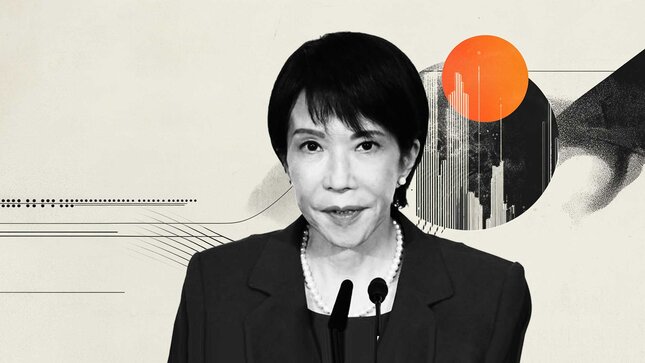
Japanese PM Takaichi nabs unprecedented victory – US data eyed this week
I do not think I would be exaggerating to say that Japanese Prime Minister Sanae Takaichi’s snap general election gamble paid off over the weekend – and then some. This secured the Liberal Democratic Party (LDP) an unprecedented mandate just three months into her tenure.
RECOMMENDED LESSONS
Making money in forex is easy if you know how the bankers trade!

I’m often mystified in my educational forex articles why so many traders struggle to make consistent money out of forex trading. The answer has more to do with what they don’t know than what they do know. After working in investment banks for 20 years many of which were as a Chief trader its second knowledge how to extract cash out of the market.
5 Forex News Events You Need To Know

In the fast moving world of currency markets where huge moves can seemingly come from nowhere, it is extremely important for new traders to learn about the various economic indicators and forex news events and releases that shape the markets. Indeed, quickly getting a handle on which data to look out for, what it means, and how to trade it can see new traders quickly become far more profitable and sets up the road to long term success.
Top 10 Chart Patterns Every Trader Should Know

Chart patterns are one of the most effective trading tools for a trader. They are pure price-action, and form on the basis of underlying buying and selling pressure. Chart patterns have a proven track-record, and traders use them to identify continuation or reversal signals, to open positions and identify price targets.
7 Ways to Avoid Forex Scams

The forex industry is recently seeing more and more scams. Here are 7 ways to avoid losing your money in such scams: Forex scams are becoming frequent. Michael Greenberg reports on luxurious expenses, including a submarine bought from the money taken from forex traders. Here’s another report of a forex fraud. So, how can we avoid falling in such forex scams?
What Are the 10 Fatal Mistakes Traders Make
Trading is exciting. Trading is hard. Trading is extremely hard. Some say that it takes more than 10,000 hours to master. Others believe that trading is the way to quick riches. They might be both wrong. What is important to know that no matter how experienced you are, mistakes will be part of the trading process.
The challenge: Timing the market and trader psychology

Successful trading often comes down to timing – entering and exiting trades at the right moments. Yet timing the market is notoriously difficult, largely because human psychology can derail even the best plans. Two powerful emotions in particular – fear and greed – tend to drive trading decisions off course.