In inflation-torn Argentina, locals use ‘crypto caves’ – And avoid Bitcoin
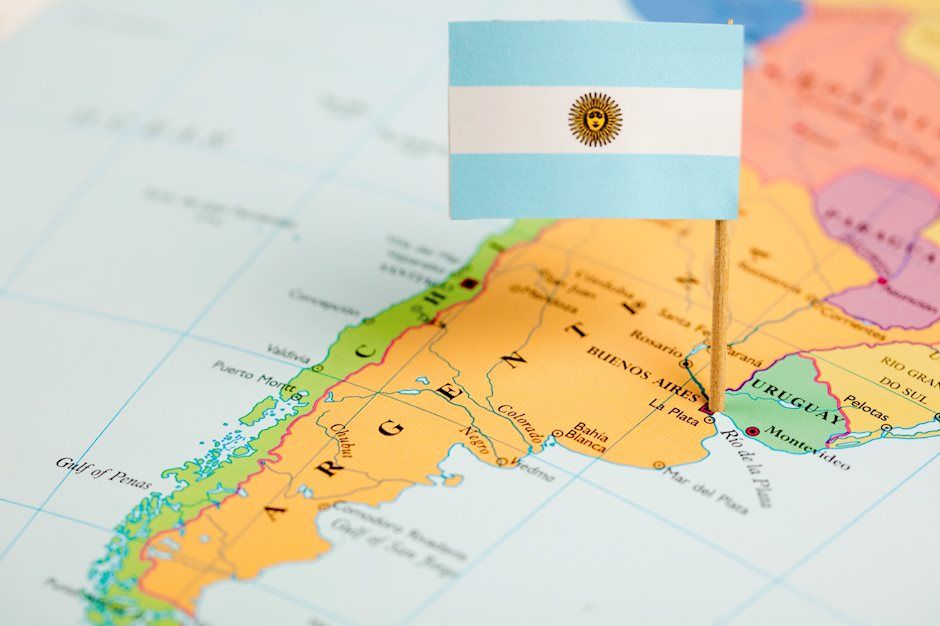

Argentines are using black market exchanges, known locally as “crypto caves,” to buy U.S. dollar stablecoins in a bid to escape strict currency controls and triple-digit inflation of the Argentine peso (ARS), and are reportedly shunning Bitcoin (BTC $48,140) due to perceived volatility.
Crypto caves are underground peer-to-peer exchanges operating secretly and tucked away in “non-visible places,” CryptoMarket’s strategic alliances manager Guillermo Escudero told Cointelegraph.
It is not a normal commercial place with public attention. They are hidden places where one goes with prior confirmation to meet and can change their local fiat money against cryptocurrencies, mostly USDT.
Escudero said that locals can get a far better rate than the official exchange rate if they use such crypto caves. Local banks cannot officially accept dollars, so crypto wallets have become popular to store dollar-pegged stablecoins like Tether (USDT $1.00).
“Having the ability to save in ‘digital dollars’ allows Argentinians to save money in the long run as the local currency loses value,” Ramiero Raposo, vice president at crypto payroll firm Bitwage, said in a note to Cointelegraph.
I lived in Argentina from 14’-17’ where I had to go to a ‘cave’ each month to illegally sell my pesos to buy USD, just so I could guarantee a flight home each year. Anyone who doesn’t understand why crypto/defi is revolutionary is living under a rock. #bitcoin #ElSalvador pic.twitter.com/IxwjS8Tv5G
— Rich Kane (@richkane_) June 9, 2021
Crypto caves emerged from “financial caves” — entities that previously operated as public money exchanges but went into hiding when Argentina brought in currency controls in the 1980s.
It led to the “blue dollar” — Argentina’s unofficial and informal dollar rate — which currently offers locals 1,115 ARS for $1.
Last December, the official rate hovered around 365 ARS to the dollar but has increased to 829 ARS since economist Javier Milei became the country’s new president in December.
Argentina’s inflation rate hit a 32-year high of 211.4% in 2023, per the latest Jan. 11 figures from the country's statistics agency, INDEC.
Escudero said some crypto caves have been investigated and even raided by authorities. However, the crypto caves don’t give off a “bad image” to locals as they’re one of the few places they can trade away their inflation-ridden pesos.
[This is a result of] having a government that arbitrarily prohibits access to a money exchange market that should be free as it is in the rest of the world.
I bought some Pesos in Argentina via a P2P exchange using USDT on Tron.
— Alexei Zamyatin (@alexeiZamyatin) November 13, 2023
Here's my experience
First of all, why go P2P?
Because the official USD-ARS exchange rate is 2.5-3x worse than the "blue dollar" rate. I actually tried: I withdrew 30€ from an ATM, paid 10€ in… pic.twitter.com/KC4uymdfyq
However, Escudero explained that currency controls are “widely expected” to be wiped under Milei’s leadership, which could drive down demand for crypto caves as access to official channels becomes available.
“But since the tax pressure is so high in Argentina, we will continue to have a ‘black market’ that has a preference to operate under the radar of the comptroller entities,” Escudero added.
Escudero said crypto caves also exist in Cuba, Venezuela, Iran and several African countries.
Argentines avoid Bitcoin payments
In December, Argentina moved to legalize Bitcoin as a payment method for contracts — part of Milei’s election promise to revamp the country’s economy.
CryptoMarket’s CEO María Fernanda Juppet told Cointelegraph that while the change signals progress, “it’s not wise from a business perspective” to carry out contracts in Bitcoin amid Argentina’s high-inflation environment.
At some point, the transaction will have to convert into Argentine pesos, with its inflation issues [and] you agree to a contract using Bitcoin as a payment method that can have daily price variations over 10% based on a tweet.
“From a corporation’s point of view, that is adding volatility over volatility,” Juppet added.
Escudero explained that Argentines prefer to use USDT on the Tron network as fewer conversions are involved.
“This is due to its speed of accreditation, and at its accessible cost, in addition to the fact that it has no variation being its parity 1:1, he said “This avoids the need to make conversions at the time of sending balances.”
Here in Argentina usually the preferred method of payment is USDT over Tron (if someone sends it), mainly because of lower tx costs. https://t.co/dnSxB2fBJ0
— BowTiedMara (@BowTiedMara) July 15, 2023
Author
Cointelegraph Team
Cointelegraph
We are privileged enough to work with the best and brightest in Bitcoin.