Federal Reserve states it would issue a CBDC only with Congress and public support
- United States Treasury, Federal Reserve and officials from the White House are set to meet regularly to discuss the future of CBDC.
- As per reports, the launch of a digital dollar will not lead to a shift in the United States' policy.
- Last month, US Representative Tom Emmer also introduced legislation to limit the issuance of CBDC.
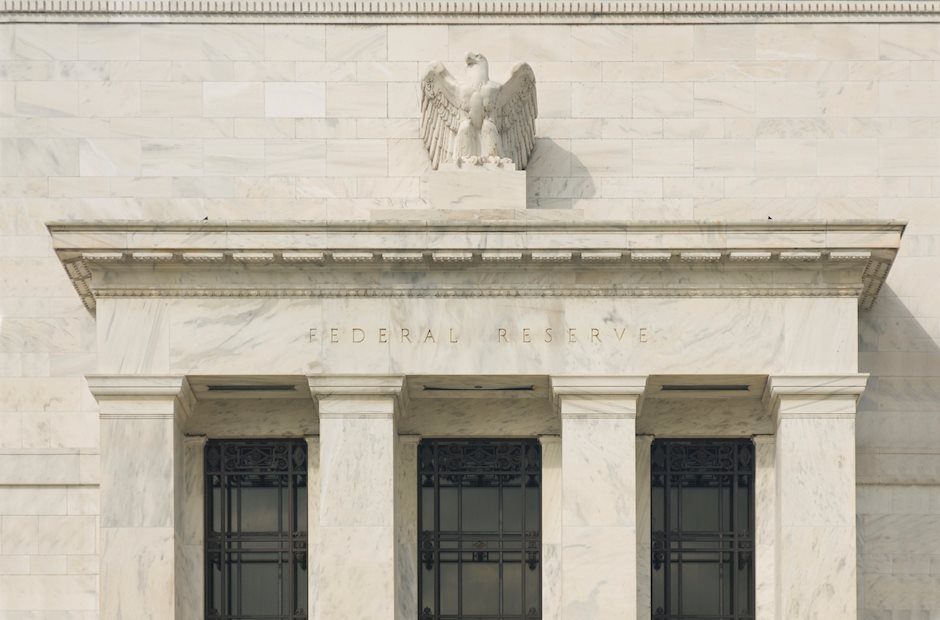

The Central Bank Digital Currency (CBDC) discussions have no closer to even remotely approaching a conclusion. As a result, the central bank of the United States, the Federal Reserve, will now include the US Treasury and White House officials as well.
White House joins hands with the Federal Reserve
The Under Secretary for domestic finance at the US Treasury, Nellie Liang, discussed what the future of CBDC looks like in the United States. In a speech at the Atlantic Council, Nellie noted that the Treasury, along with the Fed and White House, will begin "meeting regularly" to talk about the development of a CBDC.
The development of a digital dollar has been in the exploration and analysis stage for a while now. The Treasury intends to take this forward to discuss the possibility of the actual issuance of a digital dollar with its working group. With the Federal Reserve taking the lead research role, the working group does not intend to bring about a shift in US policies. Liang further stated,
"Full consideration of these issues for a possible CBDC – wholesale, retail, or both – will take some time to complete, but the Working Group plans to provide interim public updates."
While the wholesale CBDC could only be accessed by financial institutions, the retail digital dollar would be equivalent to cash and used by everyone. However, the Fed is adamant about ensuring that all the important arms of the system are in unison when it comes to the issuance of digital currency. Hinting at the same, Liang said,
"The Fed has also emphasized that it would only issue a CBDC with the support of the executive branch and Congress, and more broadly the public."
Some people still stand against CBDC
While the government is working to bring CBDCs on board, some other politicians are working to keep them at bay. In an announcement on February 22, US Representative, Tom Emmer, introduced the "CBDC Anti-Surveillance State Act". Per Emmer, the bill would bring about three important changes. It would:
- Prohibits the Fed from issuing a CBDC directly to anyone.
- Bars the Fed from using a CBDC to implement monetary policy and control the economy.
- Requires the Fed's CBDC projects to be transparent to Congress and the American people.
Discussing the same, Emmer stated,
"Any digital version of the dollar must uphold our American values of privacy, individual sovereignty, and free market competitiveness. Anything less opens the door to the development of a dangerous surveillance tool."
The community appeared split at this proposition as some considered it as keeping the Fed in check, while others still looked at the pros of CBDC's arrival.
Author
Aaryamann Shrivastava
FXStreet
Aaryamann Shrivastava is a Cryptocurrency journalist and market analyst with over 1,000 articles under his name. Graduated with an Honours in Journalism, he has been part of the crypto industry for more than a year now.