Europe faces regulatory challenges in the crypto world
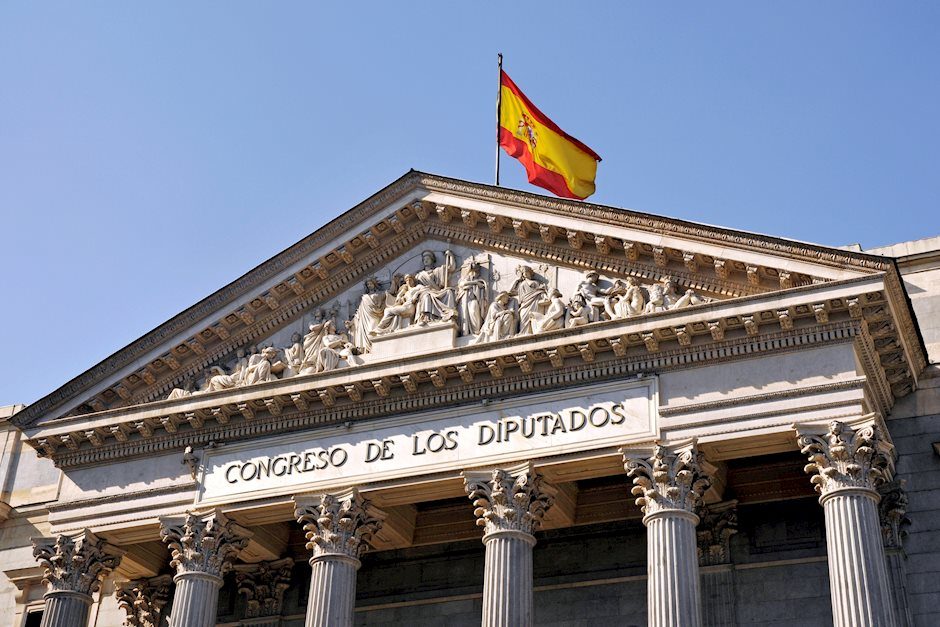

The crypto world is a fast-growing and dynamic sector that offers opportunities for innovation and financial inclusion but also poses challenges for regulation and supervision. The European Union (EU) is trying to impose some order and transparency on the crypto industry, without stifling its potential or harming its competitiveness.
One of the main challenges is to define and classify the different types of crypto assets and services, and to determine the applicable rules and standards. The EU has proposed a new regulation, called the Markets in Crypto-Assets Regulation (MiCA), that aims to provide a comprehensive and harmonized framework for crypto assets across the bloc. MiCA would cover various aspects of the crypto sector, such as issuance, trading, custody, and supervision. MiCA would also introduce a new category of crypto assets, called stablecoins, which are backed by fiat currencies or other assets, and which pose specific risks for financial stability and monetary policy
Another challenge is to ensure the compliance of the crypto industry with the existing anti-money laundering (AML) and counter-terrorism financing (CTF) rules. The EU has implemented AML and CTF regulations for crypto exchanges and wallet providers, which require them to perform customer due diligence, transaction monitoring, and reporting of suspicious activities. The EU has also revised the Transfer of Funds Regulation, which requires crypto service providers to provide information on the sender and the recipient of crypto transfershttps://theenterpriseworld.com/6-challenges-in-cryptocurrency-regulations/. These measures aim to prevent the use of crypto assets for illicit purposes, such as money laundering, tax evasion, fraud, or terrorism.
Antonio Palacio, managing director of Bitsa Card, said
“Regulations play an important role in the crypto industry to set up the rights and obligations of consumers and companies in the crypto world. It's crucial that there exist a balance of power between regulators, lawmakers, and crypto players to avoid regulations from affecting the business of companies in the crypto industry in a negative way”
A third challenge is to balance the innovation and competition in the crypto sector with the protection and education of consumers and investors. The EU has proposed to establish a regulatory sandbox for crypto innovation, which would allow crypto firms to test their products and services in a controlled environment, under the guidance and supervision of regulators. The EU has also proposed to impose disclosure and transparency requirements on crypto issuers and service providers, which would inform consumers and investors about the risks and benefits of crypto assets. Moreover, the EU has proposed to enhance the cooperation and coordination among national authorities, as well as with international organizations, to ensure a consistent and effective oversight of the crypto sector.
In conclusion, the EU is facing various regulatory challenges in the crypto world, which require a balanced and collaborative approach that respects both the rights and responsibilities of all stakeholders. The EU is trying to create a clear and consistent framework for crypto assets that would foster innovation and competition, while ensuring financial stability and consumer protection.
Author
Juan Frers Allan
Paxful
Professor at the University of Buenos Aires in the School of Economics. Professor at the University of Chile in Fintech and Cryptocurrencies course. Researcher at the University of Buenos Aires.