Ethereum L2 bridge deposits skyrocket after Dencun Upgrade
- Ethereum network deployed Dencun Upgrade on March 13, causing a flurry of L2 restoration queries.
- Token terminal reports a surge in Ethereum L2 bridge deposits.
- ETH price remains well below the $4,000 threshold after four days of attempted breach.
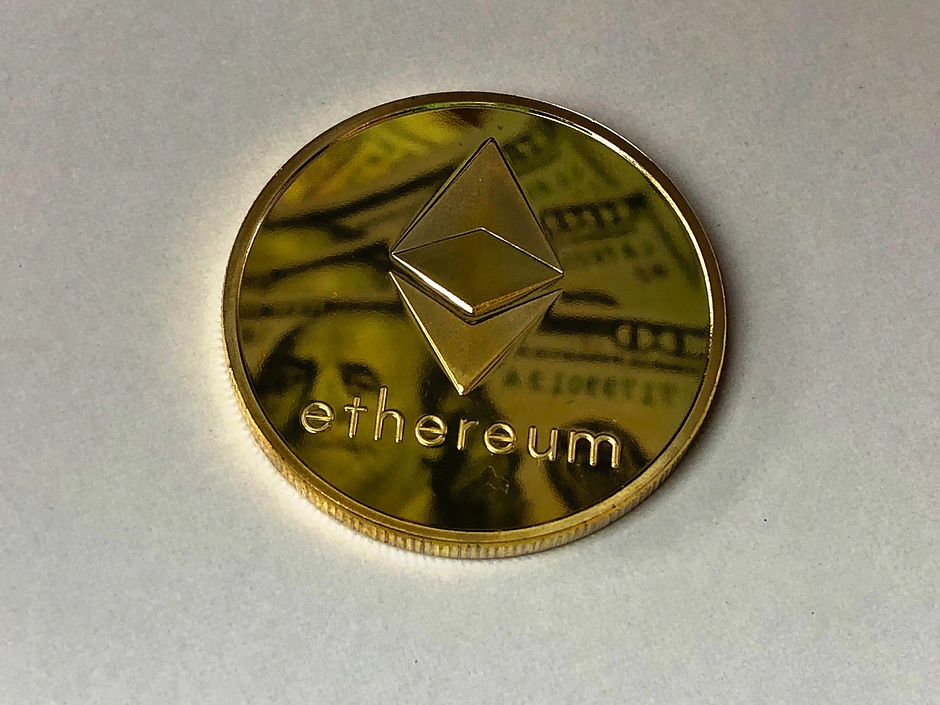

Ethereum (ETH) price breached the $4,000 psychological level on Monday but has failed to hold above it this week despite four successive attempts. The thrust came on the heels of the ‘buy the rumor sell the news event’ as the network geared up for the Dencun Upgrade, deployed on March 13.
Also Read: Ethereum Dencun Upgrade causes a flurry of L2 restoration queries
Ethereum L2 bridge verticals soar
Ethereum’s Dencun upgrade was a value addition for the community, delivering reduced transaction fees and confirmation times on Layer 2 (L2) networks. This is expected to open up so many more use cases for crypto.
Cognizant of this theory, freelance services marketplace Fiverr and OpenAI’s chatbot ChatGPT registered increased numbers of search users looking for how to restore an L2 back online.
fiverr devs and chatgpt receiving unprecedented number of queries about how to bring an L2 back online
— Spreek (@spreekaway) March 13, 2024
Recent reports indicate that Ethereum L2 bridge deposits have increased with Arbitrum (ARB) leading the pack, according to data from Token Terminal.
Ethereum L2 bridge deposits going vertical pic.twitter.com/63IORSuKND
— Token Terminal (@tokenterminal) March 14, 2024
The surge in deposits points to growing activity and usage of the L2 solution, likely inspired by the reduced transaction costs, enhanced network efficiency and cost effectiveness. The surge in deposits also points to growing adoption, reduced congestion on the Ethereum Mainnet, increased confidence and trust, and a general increase in use cases. The direct implication of the Dencun upgrade appear to be:
- It has inspired a positive reception of the benefits drawn from L2 solutions, including but not limited to faster confirmation times and reduced transaction costs.
- The network is performing better with users enjoying lower gas fees for their on-chain transactions.
- Users and projects are now more open to depositing their funds into L2 bridges as they believe in the security of their assets because the L2 solution is effectively interoperating with the Ethereum main chain.
- More decentralized applications (dApps), decentralized finance (DeFi) protocols, and other Ethereum-based services could be built atop Layer 2, expanding the use cases and utility of L2 solutions.
Ethereum L2 solutions, such as Optimistic Rollups and zk-rollups, help prevent the congestion and high transaction fees on the Ethereum network. To do this, they offload some of the transaction processing to secondary layers while still benefiting from the security of the Ethereum main chain.
Unfortunately, the purported growing adoption and utilization of Layer 2 scaling solutions is not yet reflected in Ethereum price, which remains below the $4,000 threshold. The histogram bars of the Awesome Oscillator are flashing red, showing the bears have a strong presence in the ETH market. However, their presence well above the midline shows the market is still leaning in favor of the upside.
A flip of the $4,093 range high into support would produce a higher high, likely encouraging more buy orders to facilitate a stronger uptrend.

ETH/USDT 1-day chart
Conversely, the Relative Strength Index (RSI) is dropping, suggesting falling momentum. If the bears have their way, Ethereum could provide a buying opportunity around the $3,722 support. If this buyer congestion level fails to hold, however, a lower low below this base would give the bears a chance to recover the market.
Ethereum development FAQs
What is the next big Ethereum software update?
After the Merge, the Ethereum community is looking at the Sharding upgrade next, which has been slated for sometime later in the year. The development can be summarized in four words, “scalability through more efficient data storage.” The software update will increase the capacity of the blockchain, widening the amount of data that can be stored or accessed. At the same time, all services running atop the Ethereum blockchain will enjoy significantly reduced transaction fees.
What is the difference between hard fork and soft fork?
A fork is the splitting of a blockchain after developers agree and proceed to implement upgrades. The decision comes after these developers reach a consensus for a software upgrade. The ensuing part will see one part continue with the status as is, while the other one will proceed with new features combined with the former ones. A hard fork basically entails permanent divergence of a new side chain from the original one, while a soft fork is doing the same, only difference being that it is temporary.
What is EIP-4844?
EIP-4844 is an improvement proposal for the Ethereum network. The upgrade promises reduced gas fees, which is a valuable offering considering the high transaction cost that continues to daunt crypto players. It has been a long-standing concern for the Ethereum network. The proposal is also referred to as “proto-Danksharding,” with an unmatched ability to increase the speed of transactions on the Ethereum blockchain. At the same time, it helps to reduce the transaction cost as everything becomes decentralized.
What is gas in the context of Ethereum?
Gas token is a new, innovative Ethereum contract where users can tokenize gas on the Ethereum network. This means they can store gas when it is cheap and start to deploy the gas once the market has shifted to the north. The use of Gas token helps to subsidize high gas prices on transactions, meaning investors can do everything from arbitraging decentralized exchanges to buying into initial coin offerings (ICOs) early.
Author
Lockridge Okoth
FXStreet
Lockridge is a believer in the transformative power of crypto and the blockchain industry.