DeFi could solve Africa’s foreign exchange problems, neobank CEO says
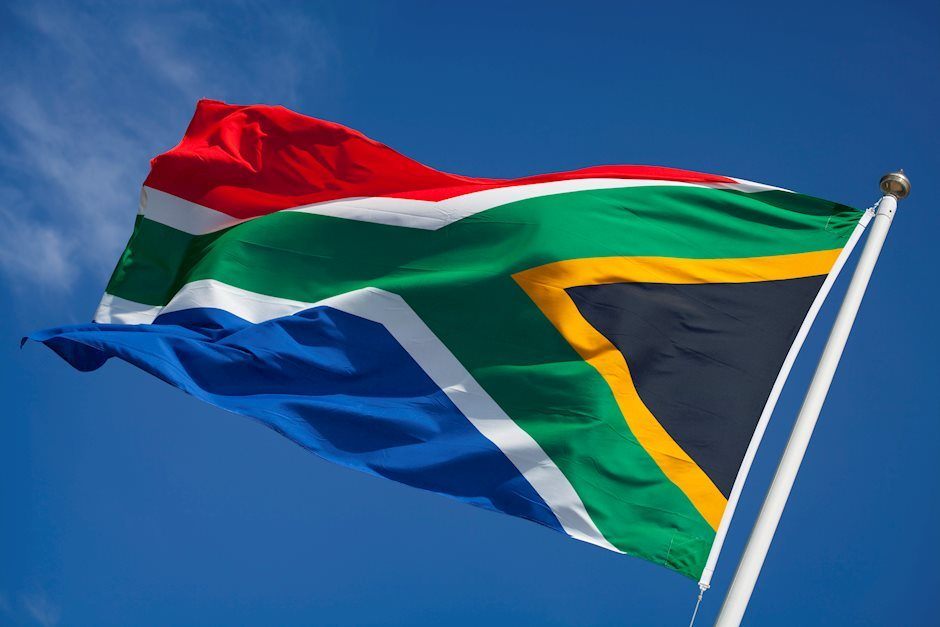

Forex liquidity and currency swaps are hard to access for many in Africa, which limits the use of United States dollar-based services in the continent’s import-dependent economies. This creates a vacuum that decentralized finance (DeFi) could solve, leveraging cryptocurrencies, blockchain networks and services, according to the CEO of Canza Finance, Pascal Ntsama IV.
Speaking with Cointelegraph, the CEO and co-founder of Canza Finance — a neobank enabling decentralized cross-border payments for Africans — said that Canza’s new DeFi technology, Baki, aims to address this challenge by providing decentralized foreign exchange (FX) for African currencies, enabling slippage-free swaps at central bank rates. It also seeks to create a hub for businesses to participate in intra-African and FX trades at a reduced cost.
When exchanging local African fiat currencies, funds exit Africa, causing inflation in the dollar value and increased costs due to currency slippages. Baki addresses this by enabling traders to swap currencies without loss, trading at official central bank prices.
DeFi in Africa is projected to show an annual growth rate of 21.99% and reach over half a million users by 2027. However, industry experts have argued for revisions to these projections as grassroots penetration of blockchain products continues to record new highs.
In response to whether Baki’s services would work in countries like Nigeria, where blockchain technology has yet to be broadly adopted even after approval, Ntsama said Baki is built to work with the current regulatory climate as it leverages existing user behaviors to tackle problems with blockchain technology. He maintained that a positive shift in regulation would bring more industrial and institutional adoption for Baki.
Ntsama said that in a conventional FX swap, the agent assumes local currency risk until they can recycle the position, necessitating the pricing of that risk for the buyer. Baki reduces these risks by swapping similar currencies at the official rate, enabling the agent to swap again with minimal slippage when entering U.S. dollar positions.
According to Ntsama, users and entities providing liquidity for Baki earn yield from the 80 basis points fee charged on every currency swap in the system. This yield is split 50% to the liquidity providers, 25% to Canza Finance native tokenholders and 25% to Canza Finance itself.
Author
Cointelegraph Team
Cointelegraph
We are privileged enough to work with the best and brightest in Bitcoin.