Bank of China’s CBDC trial transaction count crossed 3 million between April and August
- 1.1 billion RMB worth of CBDC transactions were conducted between April and August.
- The Chinese government plans on testing out the CBDC in the upcoming Winter Olympic Games.
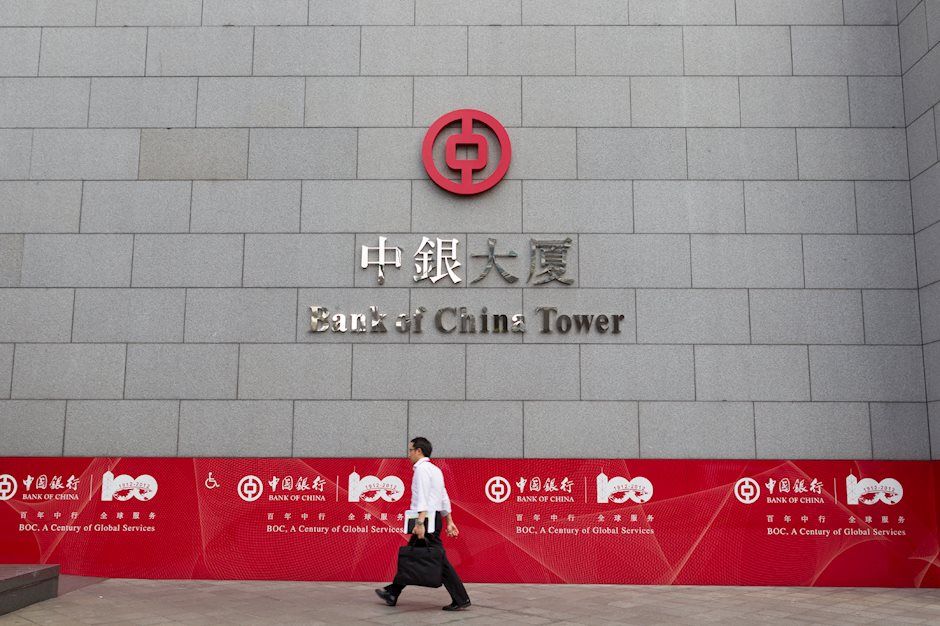

The Deputy Governor of the People’s Bank of China (PBoC), Fan Yi Fei, shared some insights about the country’s CBDC (central bank digital currency) trials during the virtual SIBOS 2020 banking conference. Apparently, CBDC trials have crossed 3 million transactions between April and August in the cities of Shenzhen, Suzhou and Xiong’an. During this time period, 1.1 billion RMB (~$162 million) worth of transactions was conducted.
Positive progress of China’s CBDC
China’s CBDC, aka “digital currency, electronic payment” or DCEP, is enjoying positive progress and has already covered over 6,700 payment scenarios, as per the deputy governor. These scenarios range from transportation tickets, bills to government services. However, PBoC maintains that DCEP has solely covered micro-transactions.
The DCEP tests have seamlessly integrated with existing payment methods like QR codes and facial scanners. As per Yifei, more than 120,000 personal and corporate digital wallets for the DCEP were created since the trials' inception. Back in August, China’s Commerce Ministry announced plans to extend the CBDC trials in Beijing, the Yangtze River Delta region, the provinces of Tianjin, Hebei and Guangdong, and the cities of Hong Kong and Macau.
What are the future plans for the CBDC program?
During the speech, Yifei insisted that the DCEP is a critical component of China’s future financial infrastructure. Plus, the government plans on testing out the CBDC at the 2020 Winter Olympic Games. It remains to be seen if the DCEP can adequately compete against the existing digital payment platforms in the Chinese market – Alipay and WeChat Pay.
Reactions from Twitterverse
General reactions surrounding CBDC have been somewhat mixed.
China Digital Currency Could Revolutionize Global Payments if users are willing to pay the price of surveillance. #DCEP #payments #cryptocurrency https://t.co/1BY8sD34hO
— Patti Hewitt (@PaymentGal) October 7, 2020
to challenge the US, u need a strong currency. DCEP is all about currency war.
— Louis Curran (@CurrencyWar1) October 7, 2020
everything you've seen from china through COVID, RESHORING AND TRADE WAR is about keeping the YUan strong. They dont want to emulate the Euro when it launched and dropped 15% immediately.
Author
Rajarshi Mitra
Independent Analyst
Rajarshi entered the blockchain space in 2016. He is a blockchain researcher who has worked for Blockgeeks and has done research work for several ICOs. He gets regularly invited to give talks on the blockchain technology and cryptocurrencies.