Will the Fed confirm a “hawkish cut”?
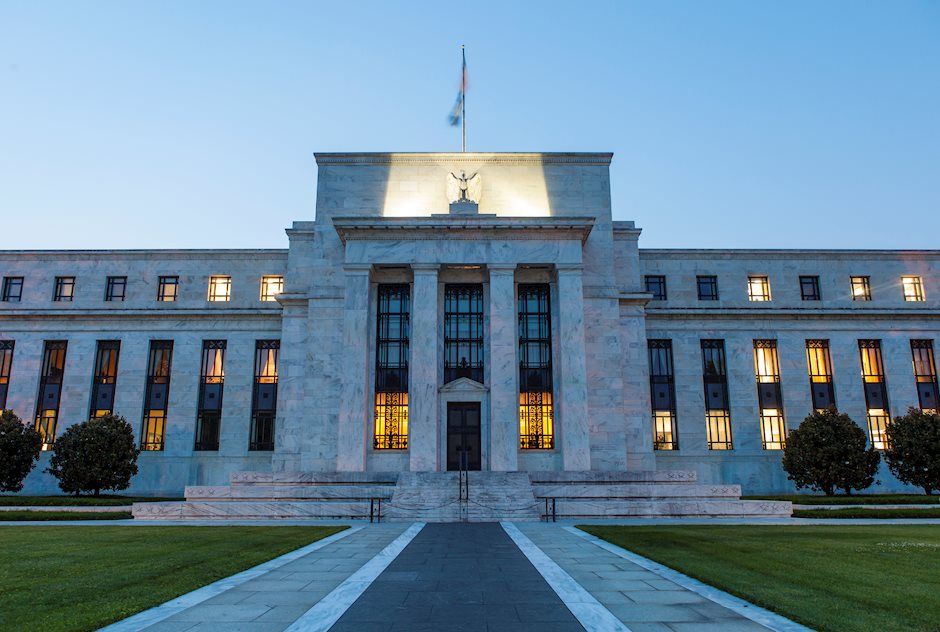

US stocks tumbled across the board on Tuesday, with the Dow marking its longest losing streak in 46 years. This downturn suggests insufficient sector reindeer are pulling their weight to sustain Santa's holiday rally sleigh, especially against an increasingly perceived hawkish Fed outlook.
Indeed, US stocks waned as traders parsed a robust retail sales report, which came fast on the heels of a fiery update from S&P Global’s services sector, casting a spotlight on the Federal Reserve’s upcoming decisions. Inside the Fed and Wall Street corridors, tension is palpable as Chair Jerome Powell navigates the choppy waters of a hotter-than-expected U.S. labour market and stubbornly high inflation rates. These factors juxtapose sharply with global uncertainties but still should compel Powell and his team to recalibrate their monetary policy approach potentially hawkishly. As market dynamics hang in the balance, investors are keenly awaiting the Fed's Summary of Economic Projections and Powell's insights during the post-meeting press conference, anticipated to hint at a pullback on policy easing.
Yet, evidence of a potential soft landing in the US economy is increasingly visible, marked by robust macroeconomic data and signs of an uptick in profit growth as we look toward 2025. While the prevailing consensus among market participants suggests that further rate cuts and strong earnings growth will coexist, these elements are not necessarily interdependent. However, there's a growing sense of caution among “ The Street” about the viability of further monetary easing, driven by persistently warm core inflation and robust consumer spending. This trepidation underscores the delicate balance the Fed must maintain as it navigates through these economically buoyant times.
A quarter-point rate cut by the Federal Reserve is widely anticipated, but the trajectory beyond that remains murky. The resilience of the US economy could be tested by the incoming administration's proposed inflationary import tariffs, which may cause Federal Reserve officials to reconsider the pace of future adjustments.
We are experiencing a whirlwind of change and uncertainty that profoundly affects global economies. Questions loom: Will Donald Trump be a 'Deal Maker in Chief' or lean into his 'Tariff Man' persona? How will bond yields react? Can China effectively stimulate consumer demand? Will Trump broker peace in Eastern Europe? Will the dollar maintain its oppressive strength?
Forecasting the “year-ahead “ typically hinges on predicting the next move in the dollar: “You get the dollar right and everything else falls into place,” but even this approach is becoming less reliable. In these unpredictable times, no one—least of all Wall Street —has a crystal-clear crystal ball or all the answers.
In any case, the subsequent trajectory of the dollar, alongside stocks and bonds, hinges heavily on the Federal Reserve's forthcoming guidance, not the Wednesday rate cut itself. The crucial question is whether the Federal Reserve will signal a pause starting from the January FOMC meeting. My view leans toward an affirmative; the real intrigue, however, lies in how explicitly the Fed will beam this potential shift and confirm a “ Hawkish Cut.”
Asian investors are cautiously approaching Wednesday, entering a critical 24-hour period marked by a subdued risk appetite and stocks trending downwards. This cautious sentiment predominates as markets await the Federal Reserve's forward guidance later in the day, followed by a closely watched policy decision from the Bank of Japan.
This month, the yen has come under renewed selling pressure as traders pare back expectations for a Bank of Japan (BoJ) rate hike, growing increasingly confident that any upward rate adjustments won't occur until at least early next year. Markets have only priced 5 basis points of hikes for this week’s policy deliberations. The BoJ, keen to steer clear of the market mayhem it sparked in early August, seems poised to hold rates steady, barring any dramatic last-minute headlines that could pivot expectations before Thursday’s announcement.
While the yen remains a steadfast hedge against the sporadic turbulence in risk asset markets—demonstrated by its comeback performance overnight—the trajectory for USD/JPY in 2025 appears decidedly bullish ( I’m a contrarian to this view more so on the crosses like EURJPY), especially if U.S. yields escalate under the forthcoming policies of the new U.S. administration.
Contrary to the split views among economists about the BoJ’s imminent decision, a sweeping 90% of market insiders surveyed by Ueda Yagi Tanshi anticipate no change in Japan’s interest rates at this week’s gathering, signalling a broad consensus for stability over surprise.
Author
Stephen Innes
SPI Asset Management
With more than 25 years of experience, Stephen has a deep-seated knowledge of G10 and Asian currency markets as well as precious metal and oil markets.