US Retail Sales Preview: The calm before the sale
- Retails sale are expected to decline in November from a strong October
- Contribution to GDP to remain steady
- Despite rising jobs and wages consumers are forecast to be cautions
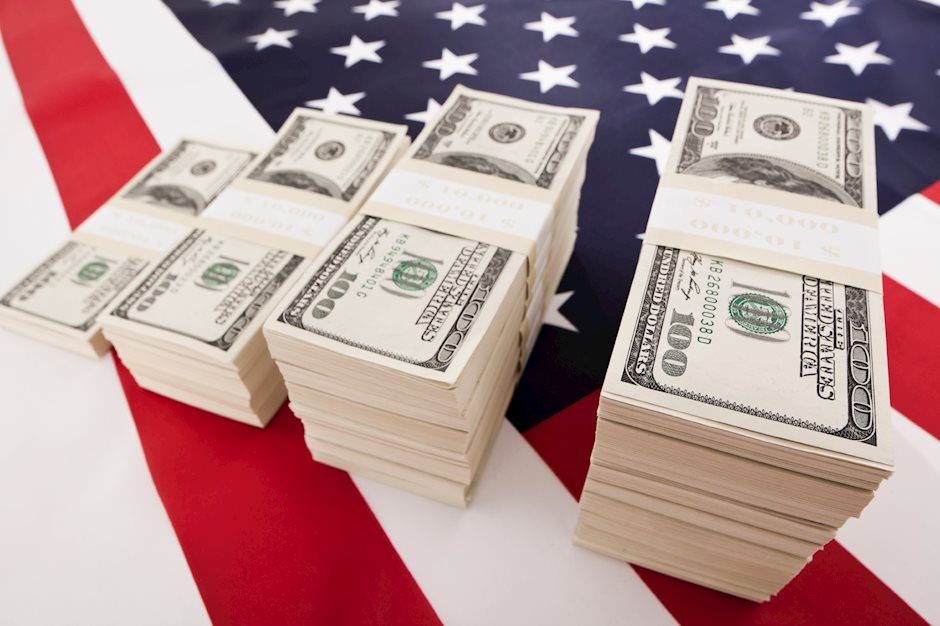

US retail sales for November, one of the key trackers of the American consumer economy, will be issued by the Census Bureau on Friday December 14 at 8:30 am EST, 13:30 GMT.
Predictions
Retail sales are expected to fall in November to 0.2% after October’s unexpectedly strong 0.8% gain. Sales excluding automobiles are also forecast to deaccelerate to 0.2% from 0.7% in October. The control group which leaves out building materials, motor vehicles and parts, gasoline sales and food service is predicted increase to 0.4% following two months at 0.3%. This figure is used by government statisticians in the 70% of US economic activity covered under the personal consumption expenditure component of gross national product (GDP)
Coincident factors
Though the holiday season has a disproportionately large impact on the profits of many American retailers, over the past five years there has been no pattern of rising sales in November and December or the traditional remainder sale month of January.
Last year retail sales rose 0.7% in November, were flat in December and then dropped 0.1% in January. In 2016 the pattern was reversed, flat in November, up 0.8% in December and jumping 1.2% in January. In 2015 sales rose 0.3% in November, 0.4% in December and then gave it back in January falling 0.7%. In 2014 there was yet another pattern. Sales gained 0.2% in November, then fell 0.6% in December and January. Finally in 2013, sales rose 0.3% in November, 0.5% in December and sank 1.0% in January.
In all of these years the economy produced a steady supply of jobs, averaging 182,000 per month in 2017, 195,000 in 2016, 226,000 in 2015, 250,000 in 2014, and 191,000 in 2013. The average through November this year of 203,000 is comparable.
Wages have been on a steady rise since 2015, with increases averaging 2.1% in 2013 and 2014, 2.25% in 2015, 2.6% in 2016 and 2017, and 2.8% so far this year. The 3.1% annual gain in October and November were the best since the recession. Unemployment has declined steadily from 8% in the beginning of 2013 to its current 3.7%.
Over the past half-decade, sales in the three month holiday season have been the strongest in the last two years. In 2017 sales were up 0.6%, in 2016 2.0%, flat in 2015, down 1.0% in 2014 and down 0.2% in 2013.
Even with October’s lead in at 0.8%, November’s result will go a long way to determining if consumer will keep the good record of the last two years intact.
Market impact
The third quarter GDP rate of 3.5% annualized had a large component of inventory production. If those goods are not sold in the final quarter, manufacturing activity will decrease next year until the products are sold and retailers place orders for new stock. Though business sentiment remains solid the GDP estimate from the Atlanta Fed for the fourth quarter has dropped to 2.4%, perhaps reflecting some of this potential over production.
The Federal Reserve’s likely December 0.25% rate increase will not be affected by the November retail results. But the estimates for US economic growth in 2019 and the course of Fed policy next year will necessarily incorporate the consumer outlook. If the holiday season marks a retreat in consumption despite the excellent labor market, it will add a note of caution to the predictions for next year.
Reserve officials have already voiced some concern about the pace of rate hikes. The September Projection Materials included four, one in December and three in 2019. The health of the consumer economy will be an important factor in determining the next phase of Fed policy. The FOMC will publish a new set of economic and rate projections at the December 18th-19th meeting.
The dollar has benefited from the Fed tightening bias. As the consumer is major force in the US economy, the relative success of the holiday shopping season will have a strong impact on Fed policy and the dollar. Healthy sales increases will help allay central bank concerns about a slowing US economy and the need to ease rate increases. A weak season will exacerbate those worries. The dollar will respond accordingly.

Author
Joseph Trevisani
FXStreet
Joseph Trevisani began his thirty-year career in the financial markets at Credit Suisse in New York and Singapore where he worked for 12 years as an interbank currency trader and trading desk manager.