Trump's tariffs: 5 reasons why markets ignored them and how that could change
- The US quintupled the value of Chinese goods on which tariffs are imposed.
- Stocks shrugged it off, and the US Dollar ignored it.
- There are five reasons for this, with potential changes on each front.
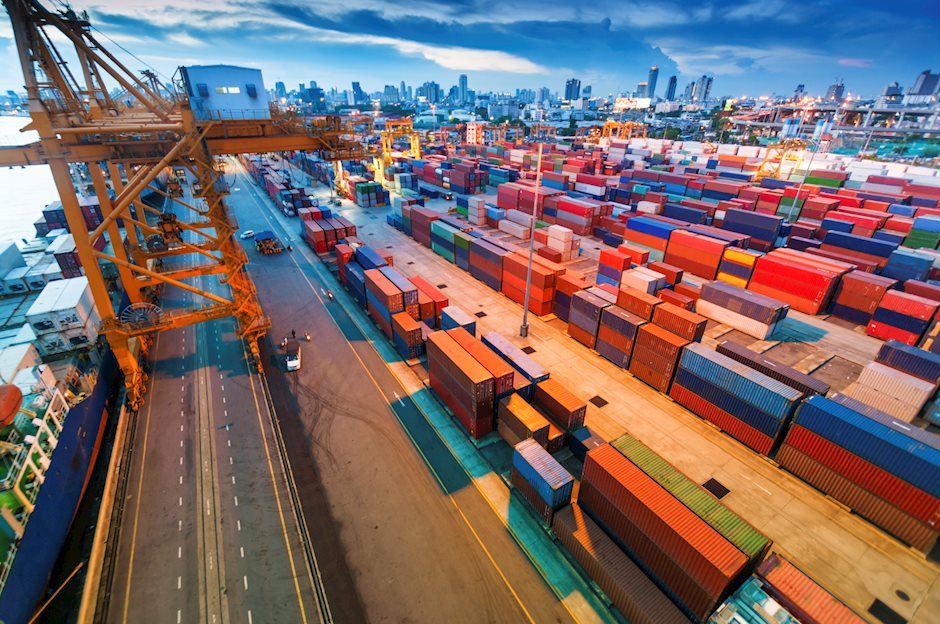

US President Donald Trump announced new tariffs on China for $200 billion worth of goods. They will come into effect on September 24th. China has announced its retaliation plan. Previous duties were on only $50 billion of products, and the move impacts a significant chunk of global trade.
However, stock markets ignored the publication and moved on other issues. The US Dollar did not strengthen on the news but later on took advantage of higher yields, unrelated to the trade war.
What is going on? Here are five reasons for the muted reaction. Each one is accompanied by a potential change that may eventually flip markets.
1) Well-telegraphed move
The idea to slap duties on $200 billion of Chinese goods was already raised as a trial balloon in mid-July. It had an adverse impact on markets back then. Every time a new report came out about these levies, markets dropped, and the greenback strengthened. However, the effects diminished.
The deadline for public comments was set for September 6th. On the following day, Trump talked about imposing additional tariffs, but nothing happened. Markets were only partially relieved when Treasury Secretary Mnuchin announced new talks with China, but markets were skeptical and were right: Trump did not give Mnuchin any backing.
Talk about announcing the tariffs was pre-announced and when it finally came, it was not a shocker. The extended communication softened the reaction.
How can this change? Markets probably expect nothing to change, but tariffs do raise the costs for consumers and for doing business in general. With the first signs of a slower economy, they could react. It will not be pre-communicated and could come from retail sales, consumer confidence, business confidence, etc.
2) 10% is not 25%
The new tariff rate was set at 10%, the lower end of the range and not 25%, the higher end of the range. 10% is easier to swallow than 25%, and the reaction is also a reaction to the communication strategy. As markets feared 25%,10% had become good news.
What could change the perception? Once again, if it damages the soft data such as confidence surveys or the hard data such as retail sales, industrial output, etc., it could already have an impact.
3) Next move after the mid-term elections and Trump will cool down
One of the central drivers of these moves by Trump is to please his voters or cater to the base if you wish. By fulfilling his campaign promises, Trump wants his loyal supporters to come out to vote and them to encourage others to do so.
The assumption is that after the elections, his mind will cool down, regardless of the results, and he will refrain from more action. That means that the 25% tariffs that are planned for the end of the year will never come.
What can change that? Trump's mind may never cool down. Hopes that he will become more presidential have come and gone, time and time again. He may feel emboldened by a Republican win and rachet up the tariffs. He may want to revenge for a Republican loss and raise duties.
4) China's response was muted
On the other side of the Pacific, China said it would retaliate with levies on $60 billion worth of products. This is substantially lower than the US scale of duties, as China imports less than it exports to the US. Nevertheless, markets feared additional measures to curb the activities of US companies in the Middle Kingdom, and there was no such announcement. China went through the formality of filing a complaint with the World Trade Organization. That will be a lengthy process.
What can change that? China does not feel obliged to announce its moves. It may go forward with making life harder for firms operating there. We still need to see things unfold after the levies come into place.
5) China pledged not to weaken the yuan
China's response on the foreign exchange front has been no different than the reaction regarding US companies, and they even took a step further. The authorities pledged not to weaken the yuan as part of the trade wars.
What can change that? China may still move forward with a gradual depreciation of their currency without making the announcement. If the yuan falls by 10%, China will have mitigated the full impact of the exchange rate drops by 10%.
China's pledge was about calming investors rather than about committing. It is important to note that China does not want the currency to fall: it would cause a capital flight out of the country. The world's second-largest economy wants the yuan to become a reserve currency in the future. However, a gradual depreciation may still happen, and markets will eventually realize it.
Conclusion
Markets were calm as they got the news well in advance, the tariffs were not the worst possible, they think it is only a short-term move towards the mid-terms, and as China played the responsible adult in both the retaliation and the currency. However, everything can change.
More: Trade wars: Only a stock market crash can stop Trump, three reasons
Author
Yohay Elam
FXStreet
Yohay is in Forex since 2008 when he founded Forex Crunch, a blog crafted in his free time that turned into a fully-fledged currency website later sold to Finixio.