Trump’s tariff gambit ignites a Gold frenzy: The great transatlantic arbitrage game
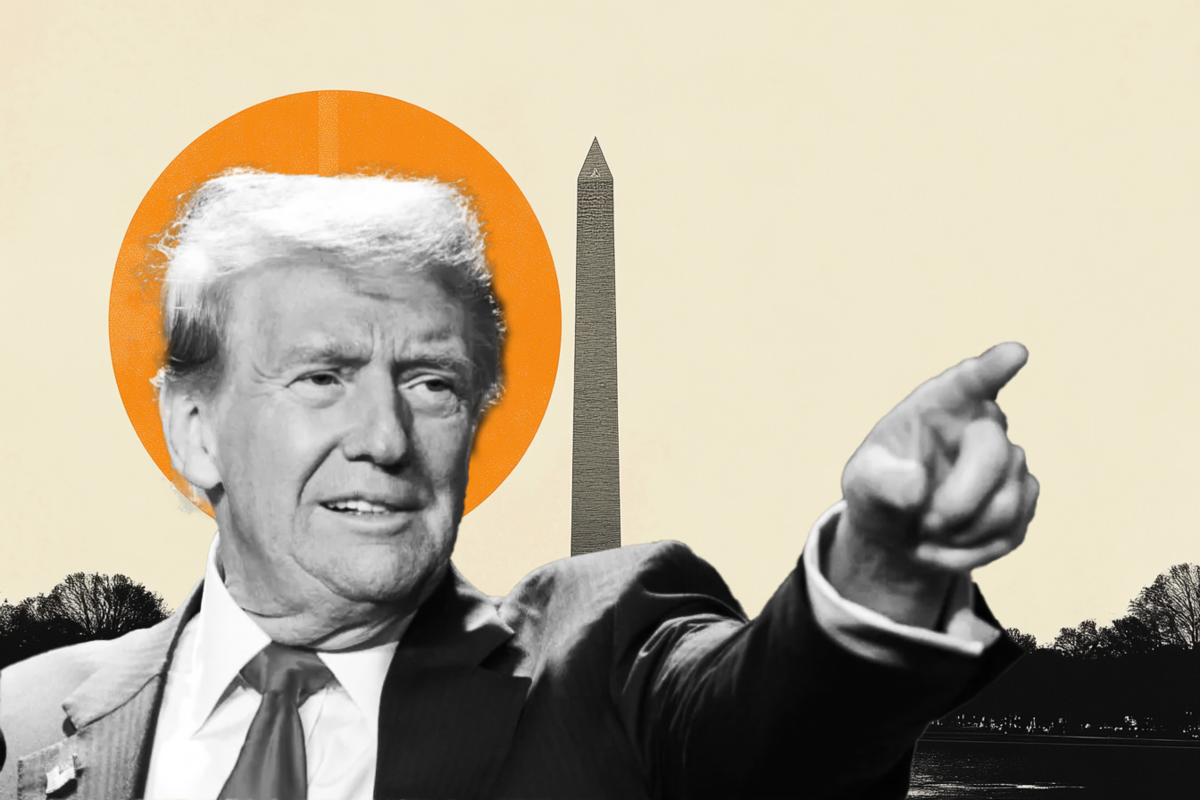

When Trump speaks, markets move. And right now, his tariff threats are sending gold into overdrive, creating one of the wildest trading opportunities in recent memory.
In a move that has traders scrambling, a massive price gap has opened between gold in New York and London—fueling the biggest rush of physical bullion across the Atlantic in years. The price of gold in Manhattan is significantly higher than in London, sparking a high-stakes race as banks and traders yank tons of gold from deep underground vaults beneath London’s medieval streets and Swiss refineries, loading them onto commercial jets bound for JFK.
Gold’s breakout: A perfect storm for chaos
Gold futures in New York have surged 11% this year, closingand many gold traders now expect the historic $3,000 mark to be breached soon. Meanwhile, London’s gold price has lagged, trading at a consistent $20 discount per ounce—an unusual and lucrative disconnect that market players are rushing to exploit.
Why the disparity? Trump’s tariff hammer
Traders believe the looming threat of reciprocal U.S. tariffs is forcing market makers to hedge hard, creating a ripple effect across global gold markets. While it’s unclear whether gold itself will be hit with trade restrictions, the sheer uncertainty is enough to fuel a trans-Atlantic arbitrage frenzy.
Winners and losers in the gold scramble
For a select few, this is a golden opportunity.
JPMorgan and HSBC, two of the most powerful players in global bullion markets, are leading the charge—leveraging their vault access to sweep up cheaper London gold and fly it stateside, where premiums are soaring. Meanwhile, Citigroup is making an aggressive push to join the exclusive club of banks authorized to store client gold in London, angling for a piece of the action.
But not everyone is winning.
Hedge funds and banks caught on the wrong side of this trade—those needing gold in New York to settle contracts—are getting crushed with settlement risk looming. A bottleneck at the Bank of England’s underground vaults has led to weeks-long delays for gold withdrawals. Traders are calling up BoE officials in a state of panic, trying to cut the line, only to be told: wait your turn.
And with demand spiking, the cost of borrowing gold has soared, adding even more pressure to firms struggling to cover their bets.
Trump’s trade war: The catalyst behind the gold frenzy
This gold-market chaos is just another shockwave from Trump’s escalating trade war. His recent harsh rhetoric against Europe, combined with sweeping steel and aluminum tariffs, has left investors rushing for safe-haven assets, catapulting gold to new highs.
While no one knows exactly how tariffs will be structured, traders saw the writing on the wall when gold’s trans-Atlantic price gap exploded after Trump unveiled his latest broad-based metal tariffs.
The billion-dollar question: Will Trump’s next move send gold even higher?
The fallout: A nightmare for Gold users, a jackpot for traders
For manufacturers who actually need gold, this market volatility is a disaster.
Firms in jewelry, electronics, and medical devices are struggling to price their products, as wild price swings make cost projections impossible. Meanwhile, refiners and bullion dealers are cashing in, taking advantage of arbitrage opportunities while liquidity remains tight.
Where do markets go from here?
Ever since Trump’s election, gold traders have been adjusting their strategies, but this latest pricing dislocation is unlike anything seen in years.
- JPMorgan and HSBC are moving fast, scooping up cheap gold in London and flipping it for higher profits in New York.
- The Bank of England’s gold vaults are oversubscribed, forcing desperate traders to wait their turn.
- If tariffs escalate, gold could break $3,000 and beyond, intensifying the global rush to move bullion.
- For now, one thing is clear: Trump’s trade war is reshaping global gold flows, and those who can read the game are making a killing.
Author
Stephen Innes
SPI Asset Management
With more than 25 years of experience, Stephen has a deep-seated knowledge of G10 and Asian currency markets as well as precious metal and oil markets.