The world prepares for Trump 2.0
-
Trump’s re-election and red sweep in congress election implies that significant changes are expected in US foreign policy next year. Signs are emerging that warring parties in Europe and Middle East are already preparing for Trump 2.0.
-
In Middle East, Israel and Hezbollah have agreed on a ceasefire deal. In response to North Korean troops joining Russian ranks in the Kursk battle, the US has given Ukraine green light to use long-range missiles on Russian territory.
-
US-China relations are heading for stormy waters under Trump with fierce China hawks in key foreign policy positions. Trump has fired the first shot in the coming trade war but not the last. On Taiwan, tensions will remain high, but the US strategy is to deter a war, not trigger one.
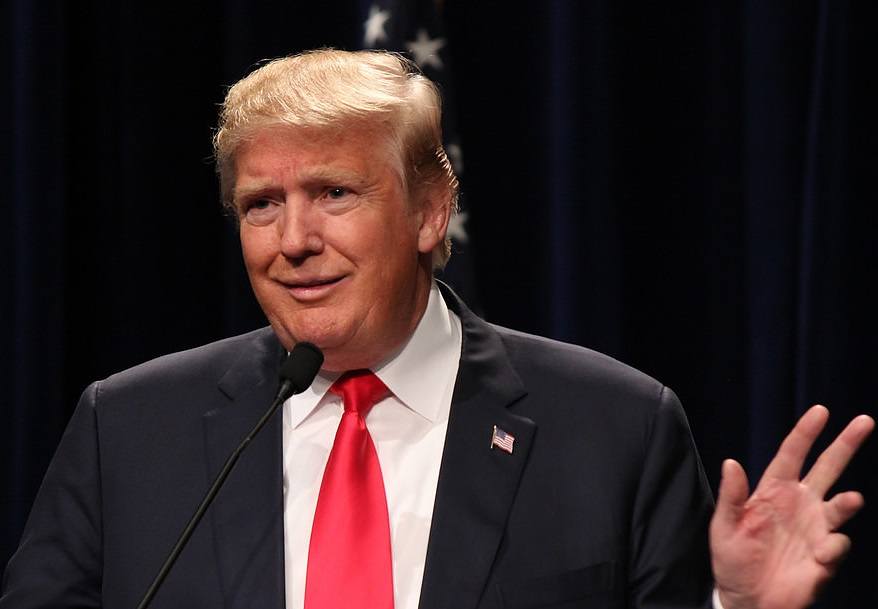

Middle East: Uncertainty remains despite truce in Lebanon
Israel and Hezbollah have agreed on a ceasefire that entered into force today (27 Nov). In the best case, the deal ends a conflict that has lasted for more than a year and could pave the way for a truce in Gaza as well. In practice, the road to sustainable peace in the region is still a rocky one, as Gaza truce talks remain deadlocked. Also, the question for Lebanon is whether the truce will hold. Hezbollah is technically not a party to the agreement, but the Lebanese government negotiated on its behalf. Furthermore, Israel retains the right to respond to any new attacks by Hezbollah.
The deal should be seen against the background of Netanyahu preparing for a regime change in the US. President-elect Trump has publicly stated he wants Israel’s wars in Lebanon and Gaza to end quickly. Privately, it seems Trump had communicated a clear timeline – the war should end before he enters office in January. Hence, Netanyahu may have signed the deal with Hezbollah as a “gift” to Trump. Allegedly, Trump has said he could still support Israel’s “residual” operations in Gaza, whatever that means. Netanyahu may have calculated that if concessions have to be made, Lebanon is the place, as Hezbollah leadership is largely eliminated by now.
Regardless of the good news from Lebanon, conflict in the region remains and Israel’s war operations continue in Gaza. In November, the International Criminal Court (ICC) issued an arrest warrant for Israeli Prime Minister Netanyahu and former Defence Minister Yoav Gallant, as well as for Hamas Commander Mohammed Deif (who Israel claims to have eliminated in July). The ICC says there are reasonable grounds that the three men bore criminal responsibility for alleged war crimes and crimes against humanity.
The ICC’s ruling on Netanyahu is unprecedented in the sense that it is the first time the court issues an arrest warrant for a political leader broadly supported by Western leaders. The ruling means all ICC member countries are obliged to arrest Netanyahu if or when he would enter their state territory. The US is not a member, and Biden has publicly criticised the ICC ruling, but several European heads of state have said they respect the court’s decision.
Author
Danske Research Team
Danske Bank A/S
Research is part of Danske Bank Markets and operate as Danske Bank's research department. The department monitors financial markets and economic trends of relevance to Danske Bank Markets and its clients.