The tariff ping pong
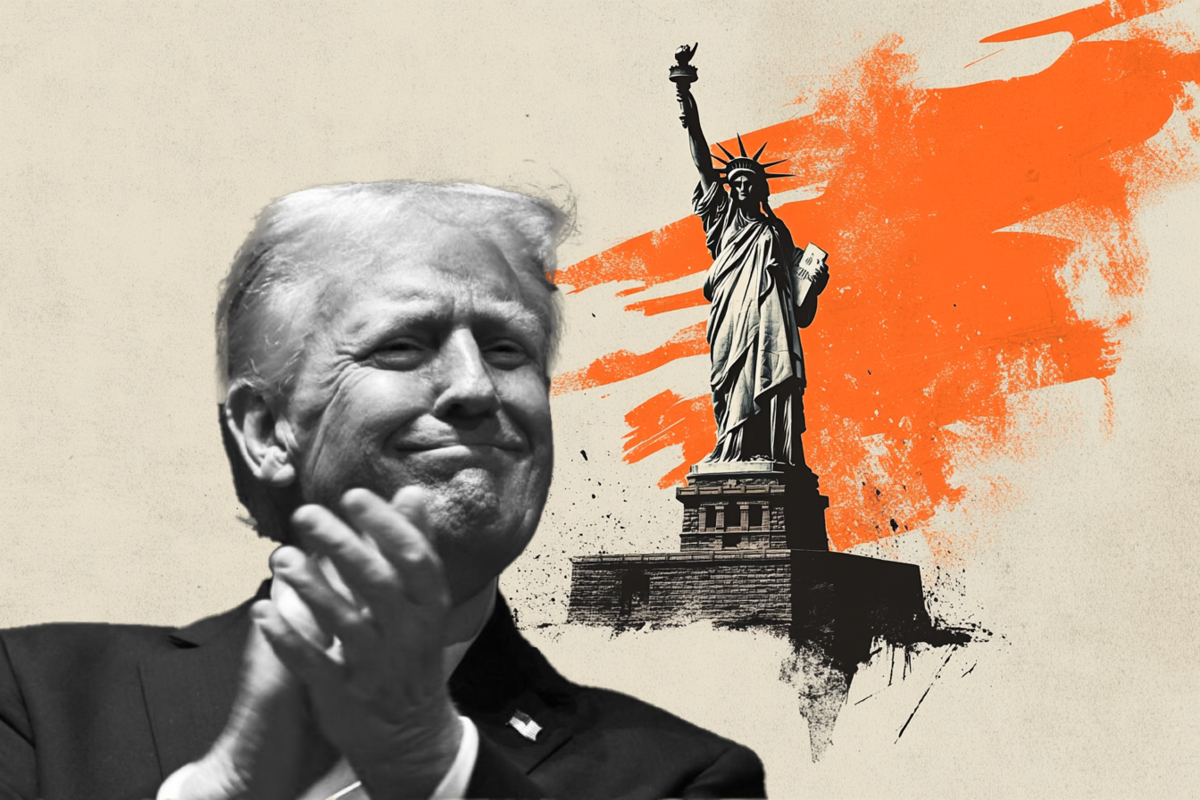

The tariff hell broke lose yesterday after the US imposed 25% tariffs on all steel and aluminium imports triggering a swift response from the EU and Canada. The EU announced tariffs on around EUR 26bn worth of American goods, while Canadians slapped tariffs on CAD 30bn worth of US products. Voila, happy Thursday. Let’s see who blinks first.
Happily though, the US inflation ease more than expected in February on both monthly and annual basis. The prices of new cars and gas had a good easing impact on price pressures, while egg prices soared more than 10% (and apparently, the slowing demand there could help the producers catch up with strong demand). The market modestly cheered the news. The S&P500 recovered some 0.49%, Nasdaq 100 rebounded more than 1% while the Dow Jones retreated 0.20%. The volatility eased, but the worries remain as the tariffs will have implications. In the first place, they will cause a few jumps in price levels. You could argue that the price jumps due to tariffs will probably be limited in time, but bringing production sites back to the US will have a longer term impact on goods prices that are made in America, because obviously, it’s cheaper when things are made, or partly made in China or Mexico.
Then, tariffs mean the end of a free trade era that helped global economies, especially the rich Western nations including the US and the EU, benefit grandly from the so-called invisible hand – make the best do the job – which concentrated high value-added, well-paid jobs in the West and pushed low value-added, low-paid jobs to the others. In terms of amassing wealth in the long run, the end of the invisible hand is questionable.
Bur anyway, today, investors will keep focus on US producer price inflation; the headline PPI figure is also expected to have benefited from the latest weakening in energy prices. But the soft numbers will certainly be cheered with modest enthusiasm as the tariffs and their implications are unknown: no one knows how long they will stay and how far the retaliations extend. Trump already said that he will retaliate to the EU who dared to respond to his tariffs on metals.
If we are lucky, the softer-than-expected inflation figures could help taming the inflation expectations that have risen significantly with the tariff walkdown. But the outlook for the US indices remains negative. Funny enough, yesterday’s softer-than-expected CPI prints didn’t increase the probability of a May cut from the Federal Reserve (Fed). On the contrary, the chances of a May rate cut implied by activity on Fed funds futures fell to around 30% from around 40% where it stood yesterday morning, before the data release. Add to the mix that the Democrats and Republicans are having hard time agreeing on a spending bill increasing the chances of a government shutdown – one should really look carefully to find a good place to hide in the US equity space.
Inside Europe
The Stoxx 600 index jumped off its 50-DMA yesterday despite the tariff ping pong. The euro appreciation helps tame inflation expectations, and along with the prospects of high spending on defence and security, which should help boosting growth to some extent, gains here are certainly on a more solid footage than the US peers. The EURUSD tested the levels above the 1.09 level this week, but given the overbought market conditions, clearing a psychological level like the 1.10 mark could be hard to achieve. The euro could first see a minor pullback, catch its breath and jump above that level afterwards. Support to the positive trend building since mid-January is seen near 1.0730/70 level, including the minor 23.6% Fibonacci retracement and 200-DMA.
Across the Channel, Brits want to ink a trade agreement with the US and make the Brexit worth something better. But for now, the UK has only been the collateral damage of the global trade war and was also left out of the ample spending plans from the EU – the worse of both worlds. Cable is testing the 1.30 offers to the upside, and given the broad based USD depreciation, we could see Cable eventually break the back of the 1.30 offers, but the pound may have to say goodbye to its advance against the euro as the growth prospects are turning shinier in Europe than in the UK. The pair is now testing the upper band of a one-year downtrending channel, and a potential rise above the 0.85 level will confirm a medium-term bullish reversal in favour of the single currency. The UK will release its latest GDP figures tomorrow morning and are expected to show a slowdown in growth in February to just 0.1%.
In the equities space, the FTSE 100 also benefited from the rotation trade from the US toward the old continent, but underperformed the Stoxx 600 over the past weeks - a gap that could be attributed to the extra military spending budget that the EU benefits from that the UK doesn’t. The mining stocks weren’t necessarily hit by the tariff threats, as the threats increased demand from companies who were looking to frontload their purchases before the tariffs went live. Rio Tinto for example remained rangebound in the first two months of the year as we saw copper futures rise more than 20% since the beginning of the year despite the waning global growth prospects. But that rally looks vulnerable now that the tariffs are on. The impact of the latest tariffs could be heavier for the miner-heavy FTSE 100 than it is for the continental European peers.
Author
Ipek Ozkardeskaya
Swissquote Bank Ltd
Ipek Ozkardeskaya began her financial career in 2010 in the structured products desk of the Swiss Banque Cantonale Vaudoise. She worked in HSBC Private Bank in Geneva in relation to high and ultra-high-net-worth clients.