The Fed Goes Nuclear: Part II
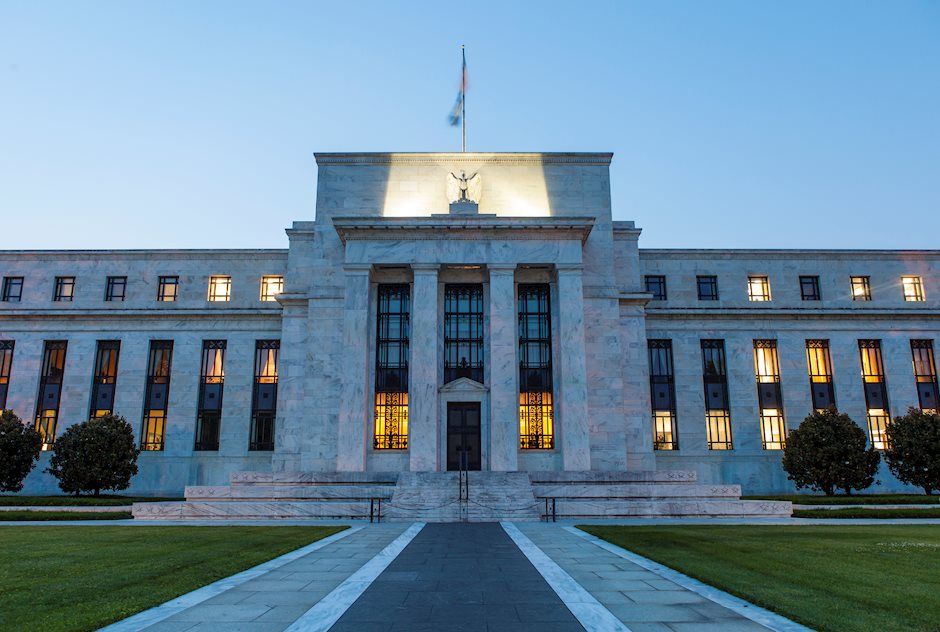

The Federal Reserve announced a series of measures this morning that are intended to assist households, businesses and state & local governments as they cope with the economic fallout of the COVID-19 outbreak. The Fed estimates that the programs will provide an additional $2.3 trillion worth of financial support. The Federal Reserve provided details today of a new program it foreshadowed when it announced a series of measures on March 23, which we discussed in a report we wrote that day. The Fed also expanded some of the programs that it put in place on March 23. We welcome these measures because they should provide further liquidity support to capital markets and help businesses that may be struggling to stay afloat while many parts of the economy remain on lockdown.
The most important new measure is the Main Street Lending Program, which the Fed noted on March 23 would be forthcoming. The program will make four-year loans to businesses that have up to 10,000 employees or revenues of less than $2.5 billion. The businesses must have been “in good financial standing” before the crisis, and they must commit to make “reasonable efforts” to maintain payrolls and retain workers. Businesses will receive loans from commercial banks, which will retain a 5% stake and sell the remaining 95% to the Main Street Lending facility, which will purchase up to $600 billion in loans. The idea behind the Fed buying 95% of the loans is so that banks can keep as much room as possible on their balance sheets for additional lending. The Fed will defer principal and interest payments for one year. The facility is being capitalized by a $75 billion equity position that is provided by the U.S. Treasury Department via funding from the CARES Act,
The Federal Reserve will also be providing support to the Small Business Administration’s Paycheck Protection Program (PPP) that was also authorized under the CARES Act. The PPP is a $350 billion facility that will make loans, via the commercial banking system, to small businesses. The Federal Reserve will support the PPP via generous liquidity support to financial institutions that participate in the PPP. Specifically, the Fed will extend credit to these institutions at only 35 bps, and it will take the PPP loans as collateral. There is no fee that institutions need to make to participate in the facility, and the PPP loans they make will have a zero percent risk weighting. That is, they will be treated the same way as U.S. Treasury securities are for regulatory capital purposes. As we discussed in a recent report, Congress likely will increase the size of the PPP if, as we expect, it eventually passes a “Phase 4” fiscal package.
The Federal Reserve will also offer support to cash-strapped municipalities via a Municipal Liquidity Facility. The facility will buy up to $500 billion worth of short-term notes issued by states, counties with populations of at least two million people and cities whose populations exceed one million people. The Treasury Department will offer up to $35 billion worth of credit protection to the Fed for the facility. The Fed also said that it is prepared to take further steps, if needed, to provide liquidity support to the primary and secondary markets for municipal securities.
Author
Wells Fargo Research Team
Wells Fargo