The data that could tip the Fed's hand
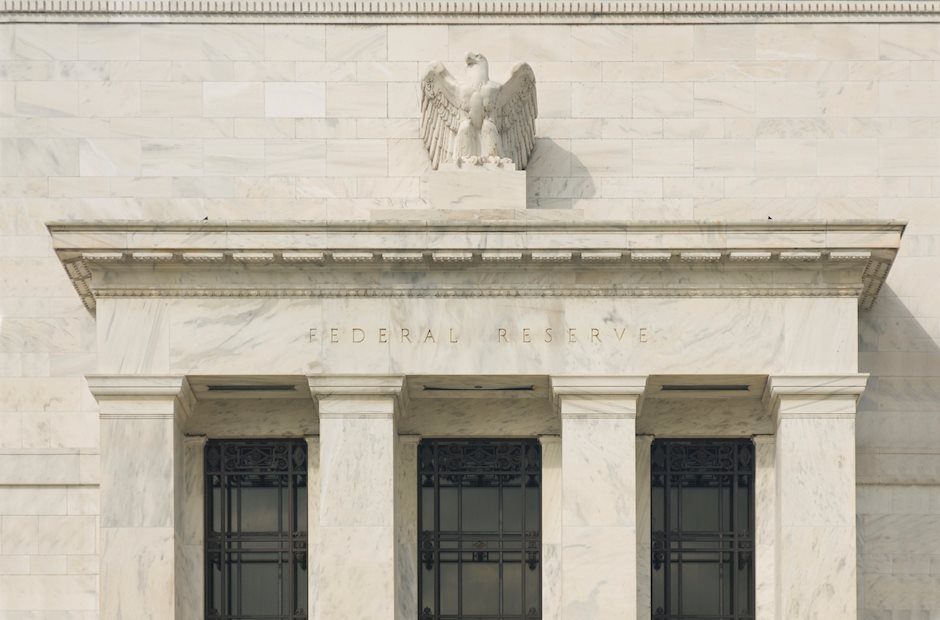

Risk appetite got another hit yesterday after the US ADP report printed a weaker-than-expected number. The data suggested that the US economy added only 99K new private jobs last month, significantly less than 144K pencilled in by analysts, and lower than last month as well, even after the downside revision of last month’s figure to 111K. Job cuts nearly tripled in August. Mini good news is that the labour productivity increased and the unit costs decreased significantly in Q2. All in all, the latest data supports the idea that it’s time for the Federal Reserve (Fed) to start cutting the interest rates. The question is: by how much? It will depend on today’s data – according to many. In the aftermath of soft job openings and ADP reports, the pricing of a 100bp cut for the remainder of the year remains unchanged. But the probability of a 50bp cut in September is gaining traction this week. That probability now stands near 43%, up from a third at the start of the week. The US yields continue to dive and the US dollar gave back two thirds of its latest rebound. The rising Fed cut expectations and the falling yields don’t cheer up stock investors. The S&P500 fell and closed near its 50-DMA, Nasdaq eked out a small gain but remained below its own 100-DMA at the close, while the Dow Jones and Russell 2000 underperformed. Crude oil jumped above the $70pb level on news that OPEC will not relax restrictions for two more months, but couldn’t hold ground at this level and is heading into the much important US jobs figures below this psychological mark.
Many investors believe that today’s job figures could be pivotal in determining whether the Fed will cut rates by 25 or 50 basis points at its meeting later this month. Why this data is so important? Above all, it is because the Fed Chair Jerome Powell said that a further weakness in the jobs market is undesired. That’s obviously a good reason for investors to put a lot of weight on the jobs data.
But from a theoretical perspective, there are two things that make this month’s jobs data more important than the others.
1. The famous Sahm’s rule – which suggests that the economy is already in a recession when the 3-month moving average of the unemployment rate rises by 0.50 percentage points or more above its low point over the previous 12 months - was triggered in July and suggests that the economy is already in a recession – maybe since 2-3 months already. The only time this rule wasn’t right was on Nov 1959 – but a recession arrived 5 month later anyway.
2. A research paper published by the Fed’s very own Chris Waller argues that once the job vacancy rate falls to the pre-pandemic level of 4.6%, the unemployment rate would rise to 4.5%. And that line was crossed on Wednesday, when the JOLTS report showed the vacancy rate declining to 4.56% in July.
If history is any indication, the US jobs market and the economy could be in trouble. Data-wise, there is evidence of slowing growth, but market mood swings between two extremes – optimism of soft-landing and pessimism of an ugly recession – very fast after important data. Therefore risks are two-sided.
In numbers, the US economy is expected to have added around 164K new nonfarm jobs last month, that’s not a great number but that would be better than the 114K printed a month earlier. The unemployment rate, on the other hand, is expected to improve from 4.3% to 4.2% and the wages may have grown slightly faster. Frankly, there is still a chance that the August data beats the soft market expectations, in which case we could see the US yields and the dollar rebound and equities, oil close the week on a positive note. But another month of disappointment will likely boost the pricing of a 50bp cut in September, further weigh on US yields, the dollar and probably on equities and oil as well.
Author
Ipek Ozkardeskaya
Swissquote Bank Ltd
Ipek Ozkardeskaya began her financial career in 2010 in the structured products desk of the Swiss Banque Cantonale Vaudoise. She worked in HSBC Private Bank in Geneva in relation to high and ultra-high-net-worth clients.