The China connection: Short-term boost, long-term worry
-
Chinese pent-up demand could boost euro area activity during the summer of 2023, but also create new inflation concerns for ECB. Tourism will likely be the main channel, while the scope for higher goods exports seems more limited.
-
Amid rising geopolitical tensions, European companies are reconsidering their ties to China, but we do not expect any abrupt changes. China remains a leading supplier of rare earths and many technologies that will be key for a successful green transition of European industry.
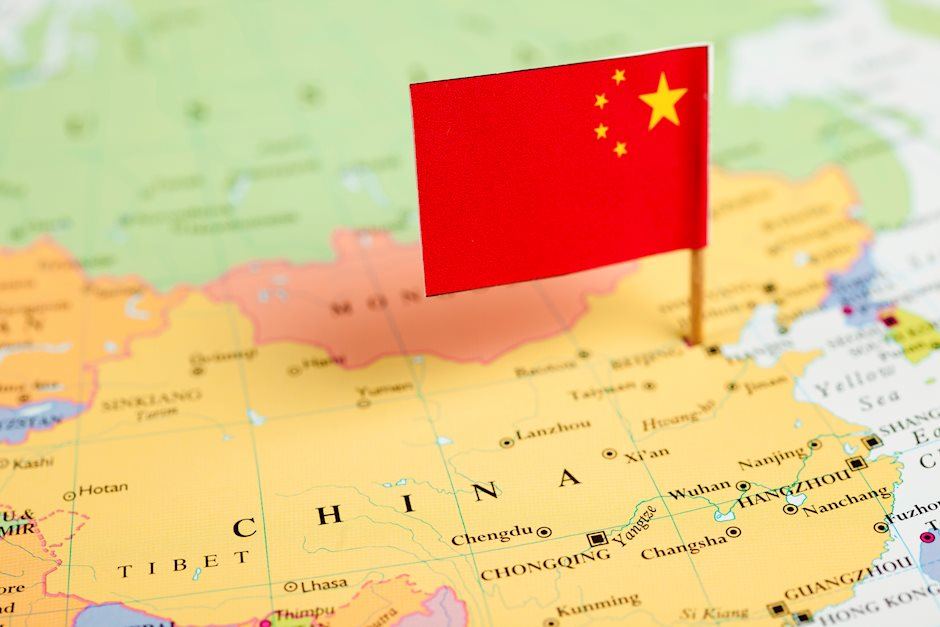

Chinese re-opening provides important silver lining
China’s exit from its zero-Covid policy happened faster than we previously expected and on the back of a stronger growth outlook (see China Outlook: Earlier reopening to drive faster rebound, 3 January), we see scope for Chinese pent-up demand to boost euro area activity during the summer of 2023.
Before pandemic restrictions hit, the Chinese were quickly becoming the largest group intercontinental travellers. Tourist arrivals from China to the euro area have been on a steady uptrend, reaching a peak of 11.3mio in 2019 (from 2.2mio in 2008). While more and more Europeans are also travelling to China, tourism is one of the few sectors where the EU has a positive balance of payments with China, meaning the EU is a net exporter of travel services to China. Tourism constitutes a sizable part of the euro area services economy, especially for Southern European countries like Spain or Greece, where tourism receipts accounted more than 10% of GDP before the pandemic.
Chinese pent-up demand has not only the potential to boost services activity, but also have positive spillover effects for f.ex. consumer goods and retail sales. Chinese tourists travelling to Europe on average spend more than three times (EUR 227) what the average traveller does (EUR 66), and have even overtaken American visitors on their spending. This is partly explained by the fact that many Chinese see Europe as a single destination, visiting three to four countries per trip. Although Chinese travel spending may not return immediately to pre-pandemic levels, we think the euro area economy could still get a boost in the summer of 2023, in the magnitude of 0.2-0.3% of GDP.
The Chinese government has vowed to support the private sector in 2023, and increased investment activity not least in the tech sector and manufacturing could have positive spillover effects on euro area investment goods exports to China. That said, the upside potential seems limited. China has become a net exporter of machinery and transport equipment to the euro area in recent years. Cars sold in China are increasingly manufactured domestically and as China has become a leader in EV battery technology, domestic brands have seen their market share steadily increasing at the expense of European manufacturers. Combined with relatively robust Chinese car sales even during the pandemic, all this makes a significant boost to euro area car exports to China unlikely in our view.
Author
Danske Research Team
Danske Bank A/S
Research is part of Danske Bank Markets and operate as Danske Bank's research department. The department monitors financial markets and economic trends of relevance to Danske Bank Markets and its clients.