The biggest losers and the biggest winners from the Fed's interest rate hikes
-
At its policy meeting on Wednesday, the Fed raised interest rates by 0.75 basis points.
-
The following two trading days after the announcement were tough for some indexes and a little quiet for some other pairs and commodities.
-
The energy sector wasn't spared from the impact of the interest rate rise.
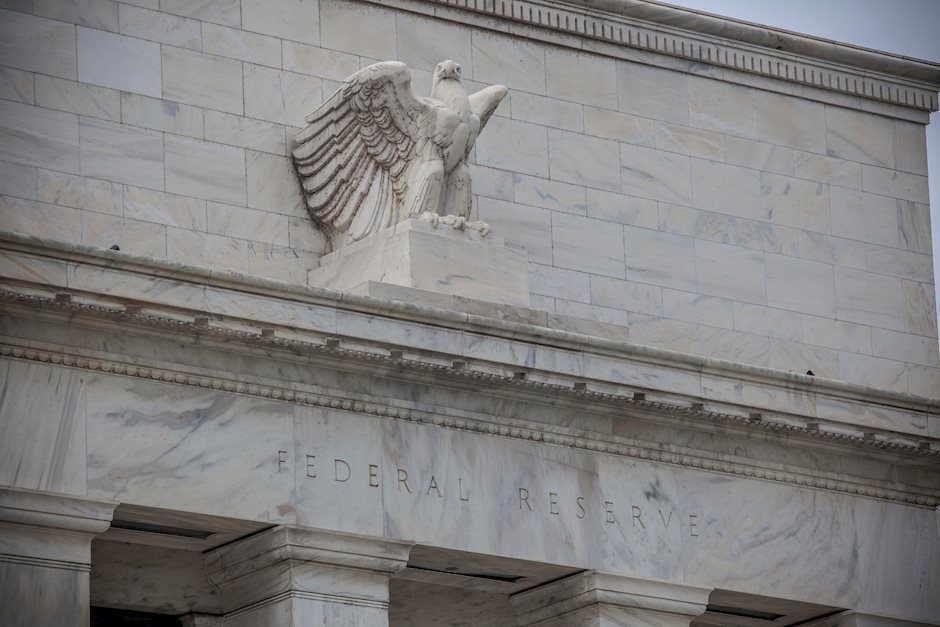

The prior week in the market was as hot as our summers have been in recent years. Surely, this was not due to climate change, but rather the Fed's Wednesday announcement of an interest rate hike, which had a big impact on the market.
However, as the saying goes, disasters in some regions bring opportunities in others. The hike in the interest rate pushes investors to withdraw their liquidity from the market and makes the borrowing cost higher for them, causing them to avoid risky investments due to the safe-haven money that could come from risk-free banks' interest returns.
Let me begin on a positive note by discussing the main beneficiaries of the FOMC's action to tackle excessive inflation levels. As a result, the dollar index concluded the previous trading week with a weekly gain of 0.48 percent. The DXY reached a level not seen since December 2002, which was at 105.788, before completing the trading week at 104.650. The DXY compares the US dollar to a basket of currencies, indicating that demand for the dollar increased in the previous week and may increase further in the coming weeks.
On the other hand, the rise in interest rates has affected the investor psyche in the form of anxiety about an economic slowdown or recession. Additionally, there are additional elements that influence the sentiment of investors, such as international conflicts.
As a result, the precious metal gold, which is regarded as a safe-haven asset, has experienced some rise. The price reached a low of 1813.53 on Wednesday, which coincided with the FOMC announcement time. This was followed by a spike that pushed the price higher before it tumbled and ended the week above the levels that occurred while the Fed spoke, at 1840.02, an increase of 1.461 percent from the lows reached during the speech.
Meanwhile, fears have spread in the energy sector. The West Texas Intermediate oil (WTI) price was 121.55 before the announcement, followed by a tremendous tumble to end the week at 111.32, down -8.416% compared with a few minutes before the announcement. On the other hand, Brent crude oil tumbled from the top of the previous week at 124.87 to end the week at 112.48, down from the top set on June 14th, down 9.922%. Both have recorded their biggest weekly losses since April 2022.
The biggest loser was the S&P 500 index even before the announcement. The stock market was in a bearish mood until the rise in the interest rate by 0.75 basis points hit the market aggressively to make it record one of the worst weeks since April 2020 when the coronavirus started spreading in the US. The S&P500 tumbled from its peak on Jan 3, 2022, at 4801.25, to close Friday's trading at 3675.00. As a result, it was the worst decline since April 2020. In addition, the prior week's accumulated losses for the S&P were 23,475% on a weekly basis.
As a result, the market won’t return to the quiet mood influenced by the tumultuous events. So, for the next few days, we expect a highly volatile market. Additionally, the impact of the rate rise will keep impacting the market in the following days. However, the market may take a breather or a small correction for some specific commodities, forex, or stocks. Consequently, the market will bring many opportunities for traders.
Author
Mohammad Quqas
Independent Analyst
Mohammad Quqas has a bachelor's degree in finance and banking. He has been trading forex for years, which has given him expertise in working with foreign currencies, commodities, and indices.

















