|

The Australian Dollar retreats over lower consumer inflation expectations

AUD/USD struggles to rebound

The Australian dollar retreats over lower consumer inflation expectations. On the daily chart, the price is in a M-shaped consolidation, indicating that the aussie is at a crossroads after it gave back all the gains from the June rally. 0.6500 is the current support as the RSI’s double dip into the oversold area was met with some bargain hunting bids. The buy side will need to clear the support-turned-resistance of 0.6610 to ease the downward pressure. Otherwise, the pair could be vulnerable to a liquidation below 0.6450.
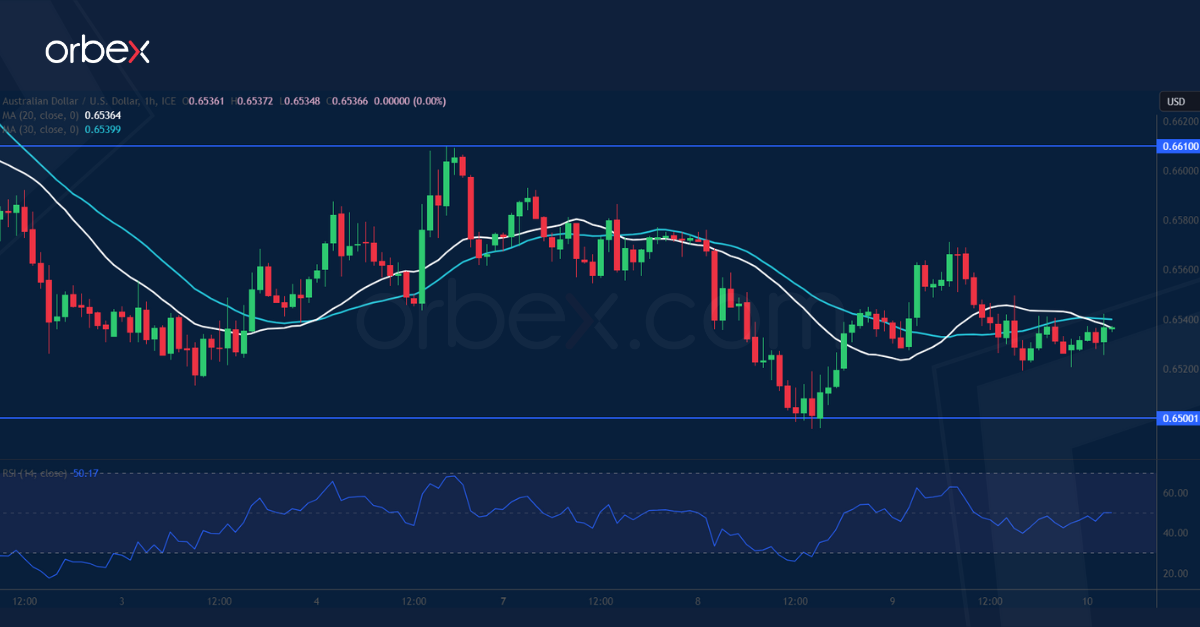
AUDUSD

NZD/USD continues lower

The New Zealand dollar softens as inflation expectations show signs of easing. A drift below the daily swing low of 0.6060 has put those who bought along the summer rally on the defensive. The area between June’s low of 0.5990 and the psychological level of 0.6000 is critical in keeping the kiwi afloat for the coming days as its breach could trigger an extended sell-off towards 0.5800. The RSI’s oversold condition has attracted some buying but 0.6130 is the first hurdle to lift before a sustained rebound could materialise.
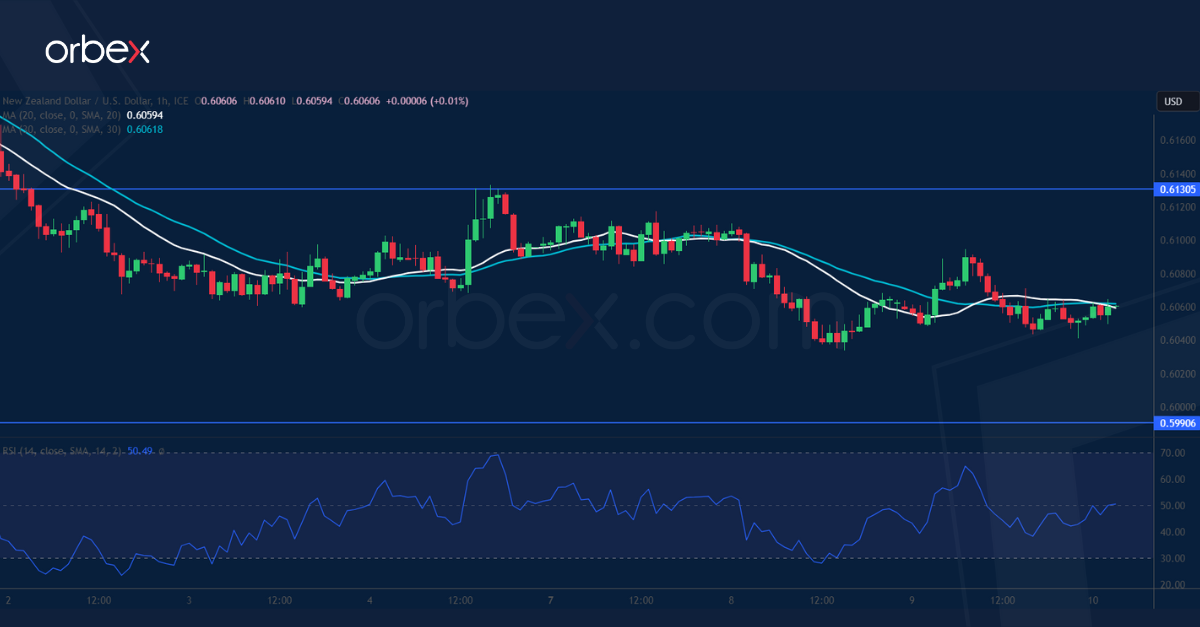
NZDUSD

FTSE 100 bounces back

The FTSE finds support from commodity stocks in the hope of economic stimulus in China. The pullback has met buying interests in the demand zone 7400-7500 from the start of the breakout rally in mid-July, and a close above the first resistance of 7600 prompted short-term sellers to trim their bets, opening the door to a potential recovery. 7660 right below the recent peak could be the bears’ last stronghold and a bullish breakout would provide confirmation. 7540 is the first support as the RSI shows an overbought situation.
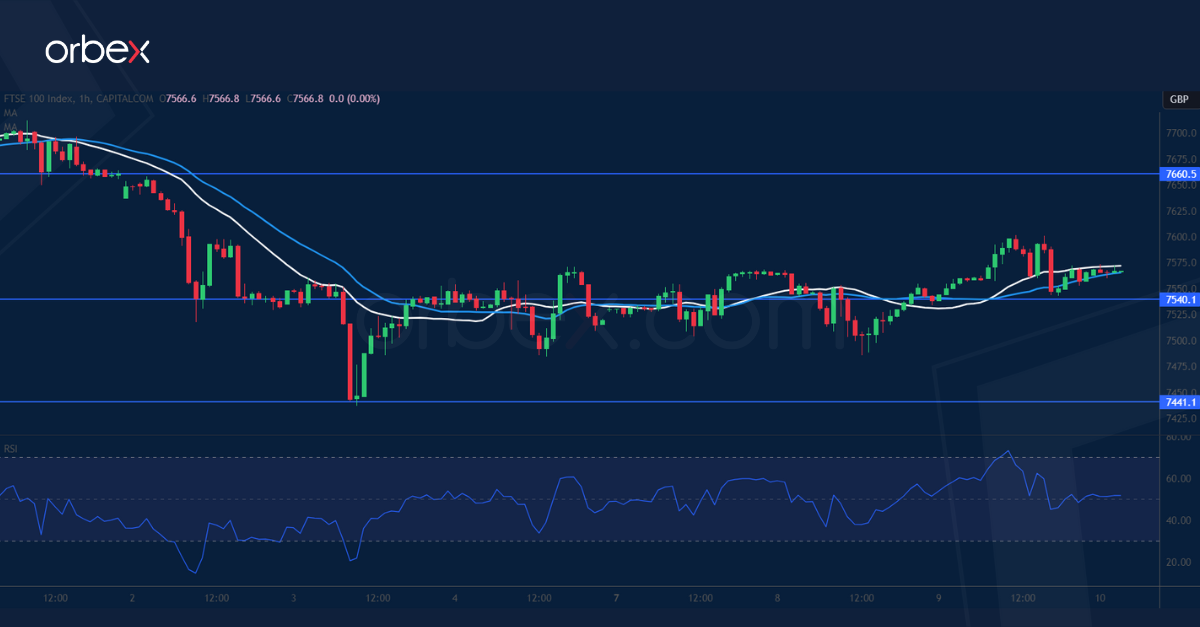
FTSE

Author

Jing Ren

Jing-Ren has extensive experience in currency and commodities trading. He began his career in metal sales and trading at Societe Generale in London.


More from Jing Ren
Share:

Editor's Picks

EUR/USD weakens to near 1.1900 as traders eye US data

EUR/USD eases to near 1.1900 in Tuesday's European trading hours, snapping the two-day winning streak. Markets turn cautious, lifting the haven demand for the US Dollar ahead of the release of key US economic data, including Retail Sales and ADP Employment Change 4-week average.

GBP/USD stays in the red below 1.3700 on renewed USD demand

GBP/USD trades on a weaker note below 1.3700 in the European session on Tuesday. The pair faces challenges due to renewed US Dollar demand, UK political risks and rising expectations of a March Bank of England rate cut. The immediate focus is now on the US Retail Sales data. 

Gold sticks to modest losses above $5,000 ahead of US data

Gold sticks to modest intraday losses through the first half of the European session, though it holds comfortably above the $5,000 psychological mark and the daily swing low. The outcome of Japan's snap election on Sunday removes political uncertainty, which along with signs of easing tensions in the Middle East, remains supportive of the upbeat market mood. This turns out to be a key factor exerting downward pressure on the safe-haven precious metal.

Bitcoin Cash trades lower, risks dead-cat bounce amid bearish signals

Bitcoin Cash trades in the red below $522 at the time of writing on Tuesday, after multiple rejections at key resistance. BCH’s derivatives and on-chain indicators point to growing bearish sentiment and raise the risk of a dead-cat bounce toward lower support levels.

Follow the money, what USD/JPY in Tokyo is really telling you

Over the past two Tokyo sessions, this has not been a rate story. Not even close. Interest rate differentials have been spectators, not drivers. What has moved USD/JPY in local hours has been flow and flow alone.

Bitcoin Cash trades lower, risks dead-cat bounce amid bearish signals

Bitcoin Cash (BCH) trades in the red below $522 at the time of writing on Tuesday, after multiple rejections at key resistance. BCH’s derivatives and on-chain indicators point to growing bearish sentiment and raise the risk of a dead-cat bounce toward lower support levels.