Thai government pension fund buying more Gold to mitigate risk
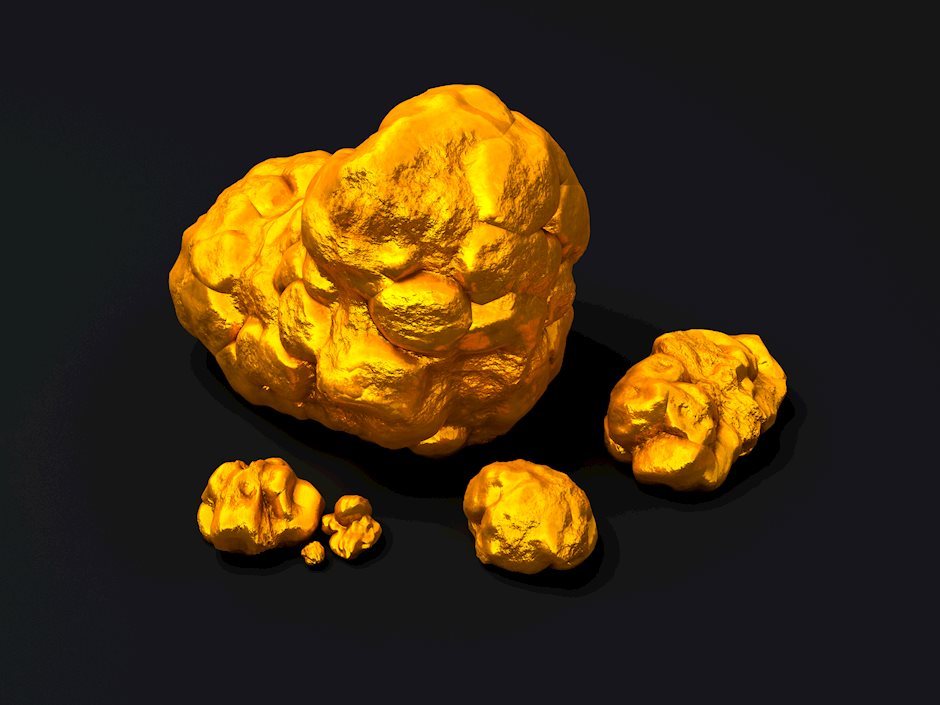

The Thai government wants to mitigate risk in its pension fund so it's turning to gold and oil.
Songpol Chevapanyaroj serves as the secretary general of Thailand's Government Pension Fund (GPF). He told the Bangkok Post that fund management has become more difficult due to several factors, including geopolitical tensions, upcoming elections, and uncertainty about the trajectory of interest rates.
This year, we will adjust investment proportions by reducing assets that could be affected by war and increasing investments in alternative assets such as gold and oil, which help to mitigate risk.
Songpol said that while the fund will continue to invest in capital markets, it will try to minimize its exposure to risks in stock markets. He specifically mentioned interest rate uncertainty in the direction of interest rates in the United States.
The Federal Reserve was widely expected to start cutting rates this summer, but sticky price inflation has dampened those hopes.
Songpol's comments indicate he doesn't understand the impact of monetary policy on U.S. markets. He said the delay in rate cuts implies the U.S. economy is "relatively healthy" and the U.S. stock market is "stabilizing or improving." But in reality, the delay in cuts implies no such thing. It means the Federal Reserve can't plausibly declare victory over inflation and has to keep rates higher for longer in an effort to drive price inflation closer to the mythical 2 percent target.
The fact is the U.S. economy isn't healthy. It is showing signs of stagflation.
Songpol's confusion notwithstanding, he's wise to allocate more investment to commodities -- especially gold. Higher interest rates increase the likelihood that the stock market bubble will begin to deflate. It will also cause something to break in the debt-burdened U.S. economy. Meanwhile, a depreciating dollar will continue to push the dollar price of gold, silver, and other commodities higher.
Price inflation isn't just a problem in the U.S. It will likely remain hot globally into the foreseeable future. As it has in the U.S., tighter monetary policy has eased inflationary pressure, but central banks have not done nearly enough to counteract the massive levels of money creation (inflation) during the pandemic. Now many central banks are moving toward looser monetary policy. That means even more inflation. Historically, gold has performed well in inflationary environments.
To receive free commentary and analysis on the gold and silver markets, click here to be added to the Money Metals news service.
Author
Mike Maharrey
Money Metals Exchange
Mike Maharrey is a journalist and market analyst for MoneyMetals.com with over a decade of experience in precious metals. He holds a BS in accounting from the University of Kentucky and a BA in journalism from the University of South Florida.